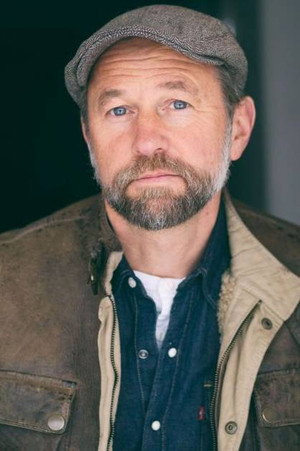
Uli Brée Movies, TV Shows, and Filmography
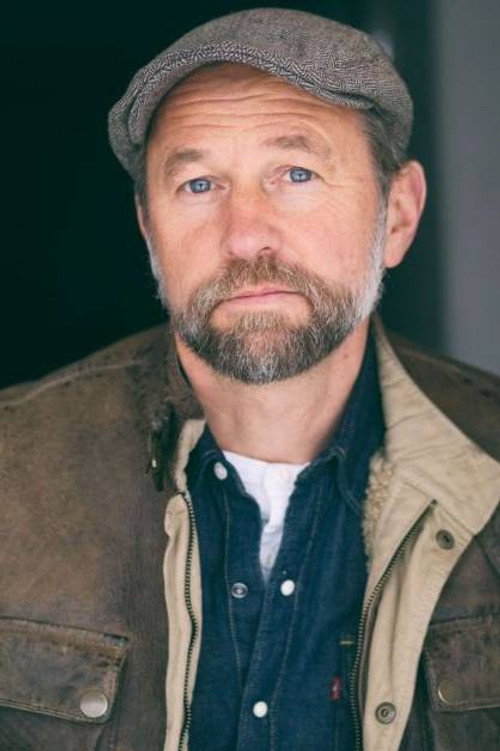
Uli Brée
Writing
Biography
No biography available.
Filmography Movies
Acting
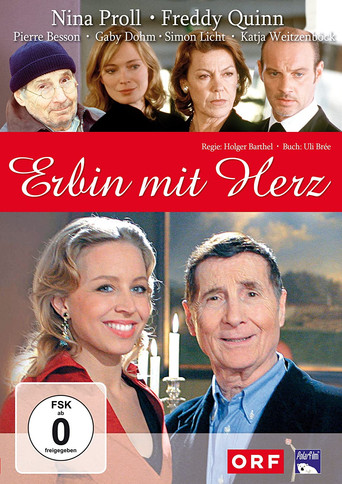
Erbin mit Herz
For more than ten years, the Viennese children's book dealer Felice Frank has not heard from Alexander Helsing, the father of her little daughter Lilli. All the more surprised is the young woman, when she suddenly learns of the death of Alexander. But not only that: at the opening of the will in Hamburg, it turns out that the deceased bequeathed all his company shares in the family large shipping company to his daughter Lilli - and to the age of majority of the child Felice should manage these shares. However, the dead man's conservative family does everything in his power to disgust the unpleasant business partner.
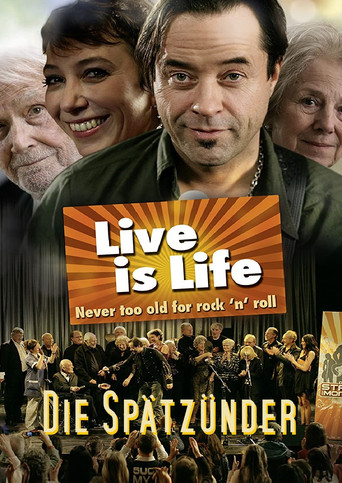
Live Is Life
A greater-Vienna seniors' home is run like a prison by the stuck-up female executive and staff. Hippie-type rebel Rochus 'Rocco' Siwak incurs a community service to be spent there as orderly. Sympathizing with seniors who still aspire to some dignity and self-realization, he helps them get around the rules, such as smuggling in contraband, and ends up inspiring them to form a rock band and enter a free podium competition. But it doesn't square with his own last shot as band guitarist.—KGF Vissers
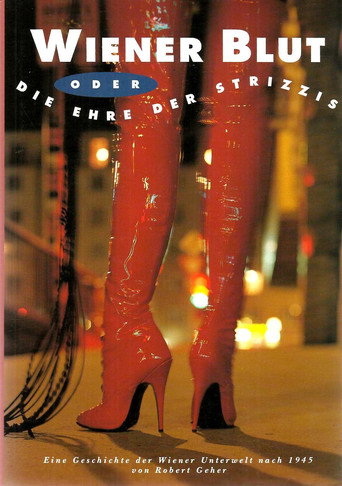
Die Ehre der Strizzis
A crime comedy directed by Peter Weck. The movie follows "Geliebte Gegner" (1998).
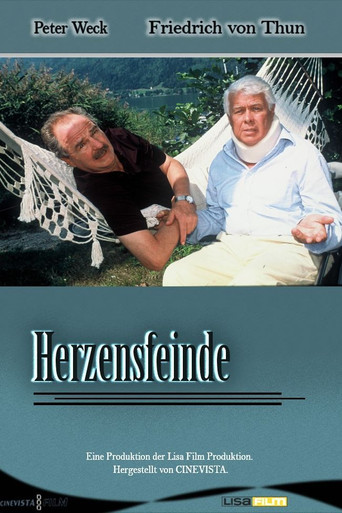
Herzensfeinde
Hypochondriac Hermann Ladner is invited on a Mediterranean cruise by his late wife's brother, Heinz Wucher. However, Heinz gambles away the money for the tickets and Hermann sets off for Italy in his caravan. Heinz, meanwhile, has sneaked into the caravan and travels along as a blind passenger.
Production
Erbin mit Herz
For more than ten years, the Viennese children's book dealer Felice Frank has not heard from Alexander Helsing, the father of her little daughter Lilli. All the more surprised is the young woman, when she suddenly learns of the death of Alexander. But not only that: at the opening of the will in Hamburg, it turns out that the deceased bequeathed all his company shares in the family large shipping company to his daughter Lilli - and to the age of majority of the child Felice should manage these shares. However, the dead man's conservative family does everything in his power to disgust the unpleasant business partner.
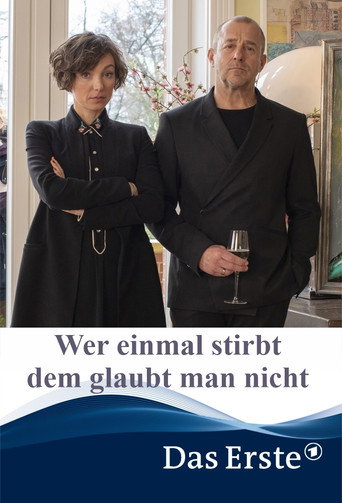
Wer einmal stirbt dem glaubt man nicht
Widow Clara and widower Ulf have an unusual commonality: Both mourn the loss of their spouses, but they cannot have them declared dead. Although there are no official doubts about the alleged suicide of Ulf's wife Anke or about the fatal glacier crash of Clara's husband Enno, the officer who complies with the paragraph insists on a corpse for the notarization - and that does not exist in either case. In order to at least support each other in letting go emotionally, Clara and Ulf set up an informal two-person self-help group after meeting them by chance. The self-confident perfumer and successful novelist soon awaken surprising feelings that go far beyond the usual grief work. However, the two are even more astonished to discover that their spouses seem to have certain similarities. A treacherous photo of Anke with Enno, her disappearance almost at the same time and the complicity in a fraud worth millions raise the suspicion that the departed have made off together.
Live Is Life
A greater-Vienna seniors' home is run like a prison by the stuck-up female executive and staff. Hippie-type rebel Rochus 'Rocco' Siwak incurs a community service to be spent there as orderly. Sympathizing with seniors who still aspire to some dignity and self-realization, he helps them get around the rules, such as smuggling in contraband, and ends up inspiring them to form a rock band and enter a free podium competition. But it doesn't square with his own last shot as band guitarist.—KGF Vissers
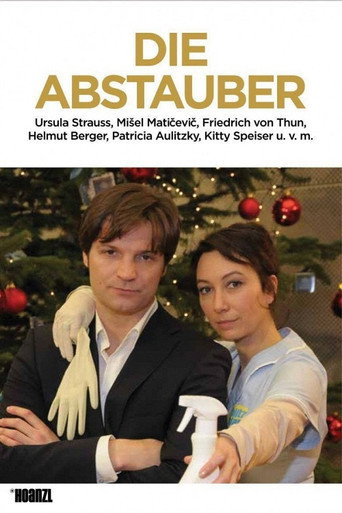
Die Abstauber
A successful investment banker, Chris, and a poor cleaner at his office, Carmen, meet after he is accused of embezzlement.
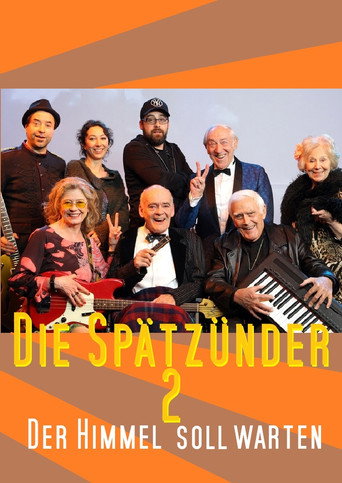
Live is Life 2
Follows "Live is Life" aka "Die Spätzünder".

Alles Schwindel
The catastrophe is perfect: Gustav Klimt's world-famous "kiss" was stolen from the museum. What is a problem for some is a salvation for others. For the impoverished Count Leopold, the loss of the picture is an advantage, because now he can earn the sum insured for the family-owned work of art. For the fashion designer Isabella, theft is definitely a problem too much. Not only is her father Albert, who was supposed to guard the picture on the night of the crime, now with a heart attack in the hospital, he admits to her that the stolen Klimt made a self-made ...

Der Täter
Jakob Kisch loves Impressionist art. Therefore, the coach driver leads a double life as a gentleman robber. However, during his final heist, his heart fails. Only thanks to his cunning does he escape—and the Monet was only a copy anyway. During preventative care at the hospital, he overhears Police Chief Fellinger engaging in corrupt dealings. Kisch's sense of justice is alarmed.
Herzensfeinde
Hypochondriac Hermann Ladner is invited on a Mediterranean cruise by his late wife's brother, Heinz Wucher. However, Heinz gambles away the money for the tickets and Hermann sets off for Italy in his caravan. Heinz, meanwhile, has sneaked into the caravan and travels along as a blind passenger.
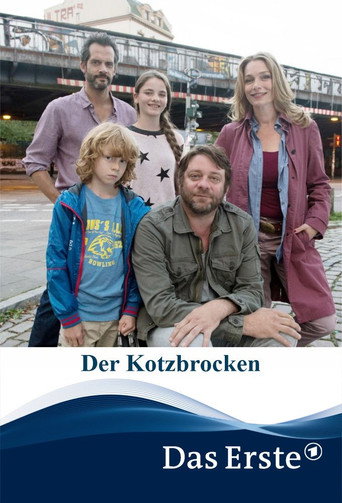
Der Kotzbrocken
Sophie Brand is overwhelmed: as a single mother with two jobs no wonder. A mountain of unpaid traffic tickets takes her to the judge, who buzzes her 300 social hours in a home for the disabled. In addition, he puts her on his own brother: Georg, a dreaded patient in the home, who sits in a wheelchair since an accident and only bitterness for his environment left. But Sophie can not rausekeln. So it happens that something special develops out of initial antipathy: trust, friendship, love. The emotional tragicomedy knows how to implement a supposed taboo subject sensitively.
Gallery