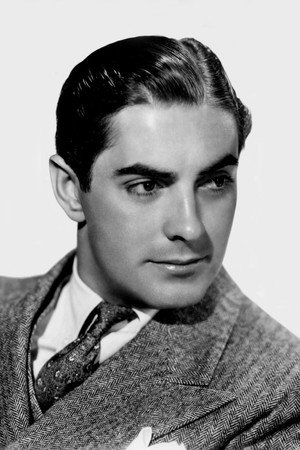
Tyrone Power Movies, TV Shows, and Filmography
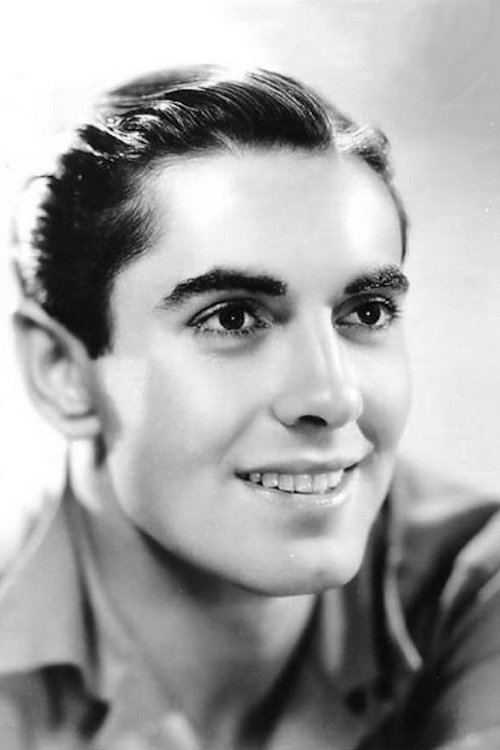
Tyrone Power
Acting
Biography
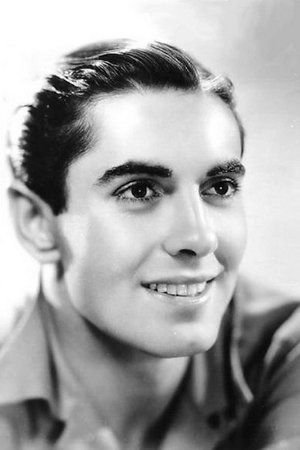
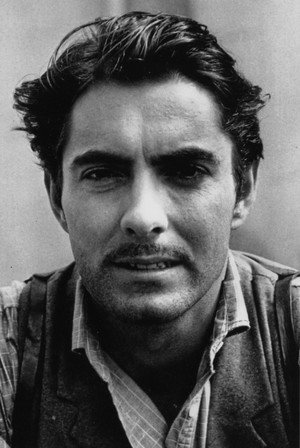
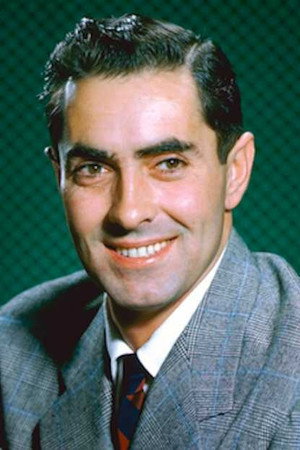
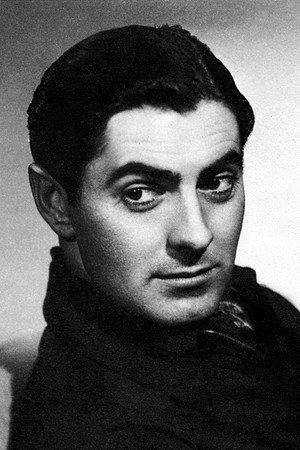
One of the great romantic swashbuckling stars of the mid-twentieth century, and the third Tyrone Power of four in a famed acting dynasty reaching back to the eighteenth century. His great-grandfather was the first Tyrone Power (1795-1841), a famed Irish comedian. His father, known to historians as Tyrone Power Sr., but to his contemporaries as either Tyrone Power or Tyrone Power the Younger, was a huge star in the theater (and later in films) in both classical and modern roles. His mother, Patia Riaume (Mrs. Tyrone Power), was also a Shakespearean actress as well as a respected dramatic coach. Tyrone Edmund Power, Jr., (also called Tyrone Power III; May 5, 1914 - November 15, 1958) was born at his mother's home of Cincinnati, Ohio, in 1914. A frail, sickly child, he was taken by his parents to the warmer climate of southern California. After his parents' divorce, he and his sister Anne Power returned to Cincinnati with their mother. There he attended school while developing an obsession with acting. Although raised by his mother, he corresponded with his father, who encouraged his acting dreams. He was a supernumerary in his father's stage production of 'The Merchant of Venice' in Chicago and held him as he died suddenly of a heart attack later that year. Startlingly handsome, young Tyrone nevertheless struggled to find work in Hollywood. He appeared in a few small roles, then went east to do stage work. A screen test led to a contract at 20th Century Fox in 1936, and he quickly progressed to leading roles. Within a year or so, he was one of Fox's leading stars, playing in contemporary and period pieces with ease. Most of his roles were colorful without being deep, and his swordplay was more praised than his wordplay. He served in the Marine Corps in World War II as a transport pilot, and he saw action in the Pacific Theater of operations. After the war, he got his best reviews for an atypical part as a downward-spiraling con-man in Nightmare Alley (1947). Although he remained a huge star, much of his postwar work was unremarkable. He continued to do notable stage work and also began producing films. Following a fine performance in Billy Wilder's Witness for the Prosecution (1957), Power began production on Solomon and Sheba (1959). Halfway through shooting, he collapsed during a dueling scene with George Sanders, and he died of a heart attack before reaching a hospital.
Filmography Movies
Acting
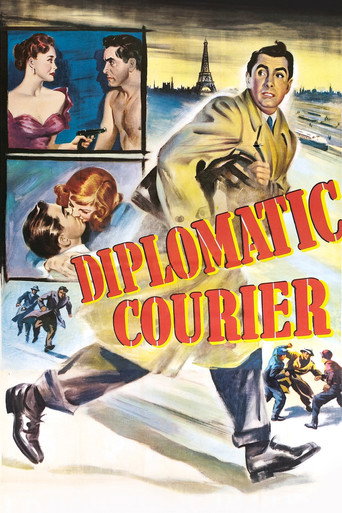
Diplomatic Courier
During the Cold War, diplomatic courier Mike Kells must retrieve a dispatch containing top-secret intelligence. But when he arrives at the meeting point, a train station in Salzburg, his contact turns up dead, and the message is nowhere to be found. With no clear suspect in sight, Kells must sort through his uncertain relationships with two women, while sidestepping the pitfalls of subterfuge, sabotage and spies in his search for the documents.

Hollywood Heaven: Tragic Lives, Tragic Deaths
Welcome behind the closed doors of a Hollywood that only a select few will ever get to see -- a Hollywood of tragic lives and tragic deaths. Some of the worlds brightest stars are hiding deep, dark secrets that - once revealed show a life of unhappiness, heartbreak and torment that has been so carefully hidden behind the glamour and glitter of the big screen. See the true lives behind some of Hollywoods most iconic stars and learn why, for some, it was as if the act of dying itself was a final performance.
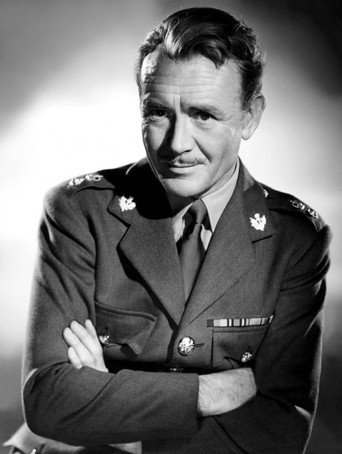
Sir John Mills' Moving Memories
A film biography with a difference, Sir John Mills' Moving Memories charts the life of one of Britain's most distinguished actors. Compiled from interviews with the man himself and with his family and friends, it traces his career from humble beginnings to all-time great of British cinema. The many film clips reveal an electric screen presence and a willingness to undertake a range of difficult, challenging roles.
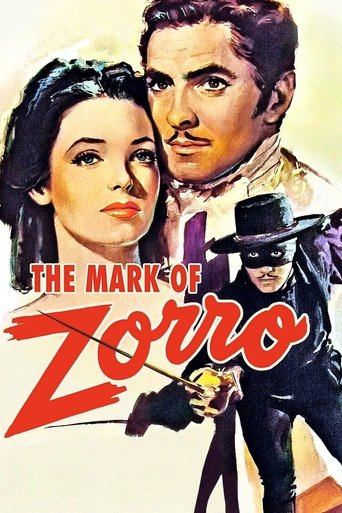
The Mark of Zorro
In 1820 Spain, the son of a California nobleman comes home to find his native land under a villainous dictatorship. On one hand, he plays the useless fop, while on the other, he is the masked avenger Zorro.
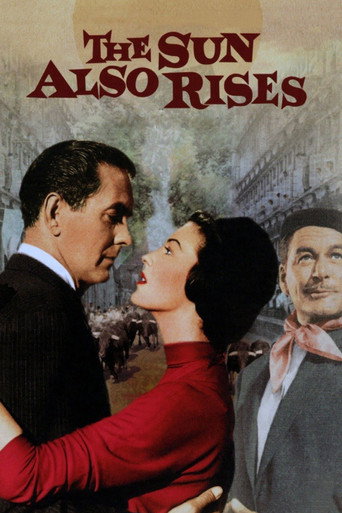
The Sun Also Rises
A group of disillusioned American expatriate writers live a dissolute, hedonistic lifestyle in 1920's France and Spain.
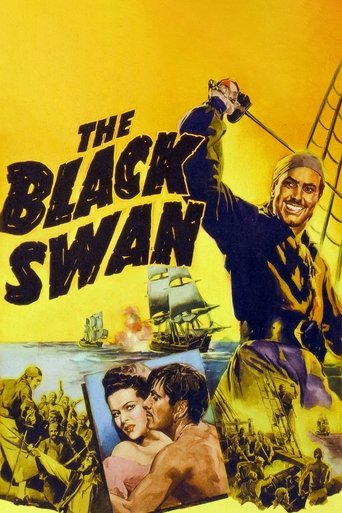
The Black Swan
When notorious pirate Henry Morgan is made governor of Jamaica, he enlists the help of some of his former partners in ridding the Caribbean of buccaneers. When one of them apparently abducts the previous governor's pretty daughter and joins up with the rebels, things are set for a fight.
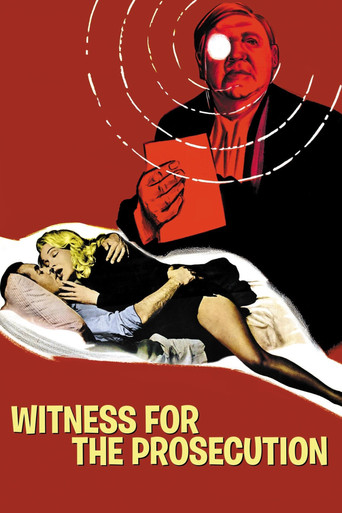
Witness for the Prosecution
An ailing barrister is thrust back into the courtroom in what becomes one of the most unusual and eventful murder cases of the lawyer's career when he finds himself defending a man being tried for the murder of a socialite.
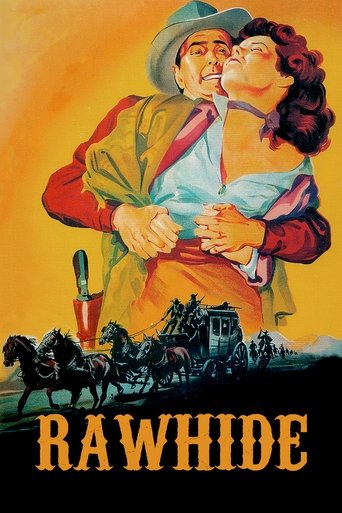
Rawhide
At a desolate relay station in the west, a stagecoach attendant and a stranded woman traveller are held captive by a band of escaped convicts.
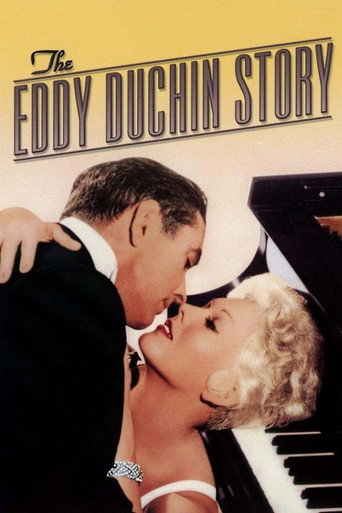
The Eddy Duchin Story
The life story of the famous pianist and band-leader of the 1930s and 1940s.
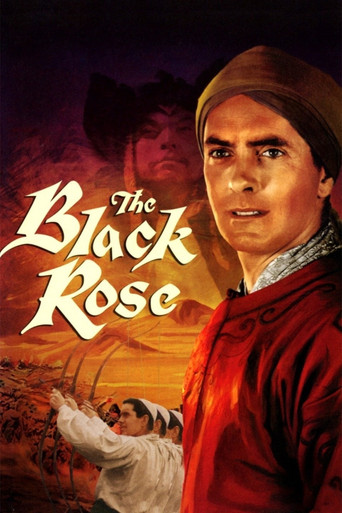
The Black Rose
In the 13th century, Walter of Gurnie, a disinherited Saxon youth, is forced to flee England. With his friend, Tristram, he falls in with the army of the fierce but avuncular General Bayan, and journeys all the way to China, where both men become involved in intrigues in the court of Kublai Khan.
Production
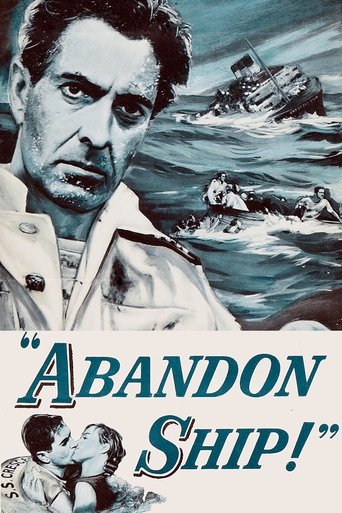
Seven Waves Away
After a massive luxury liner sinks into the ocean, the ship's officer must command a rickety lifeboat, built for only nine, that is stuffed with over twenty desperate and injured passengers. As a hurricane approaches and the many wounded passengers struggle for life, difficult decisions must be made about who will remain on the boat and who must be cast to the sea in order to give others the chance to survive.
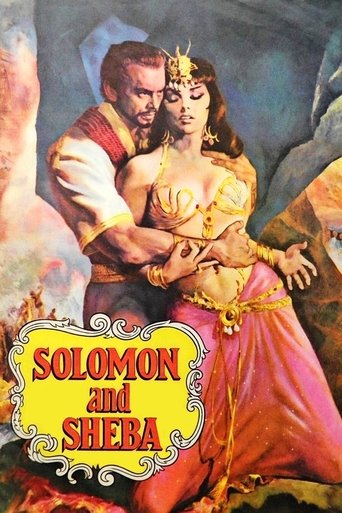
Solomon and Sheba
Near death, King David has a vision that his poet son, Solomon, should succeed him, rather than hot-headed Adonijah. Furious, Adonijah departs the court, swearing he will become king. Other rulers are concerned that Solomon's benevolent rule and interest in monotheism will threaten their tyrannical, polytheistic kingdoms. The Queen of Sheba makes an agreement with the Egyptian pharaoh to corrupt Solomon for their mutual benefit.
Gallery