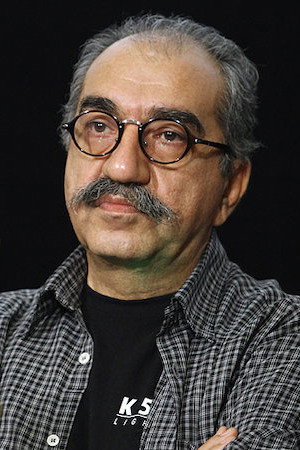
Turaj Mansuri Movies, TV Shows, and Filmography
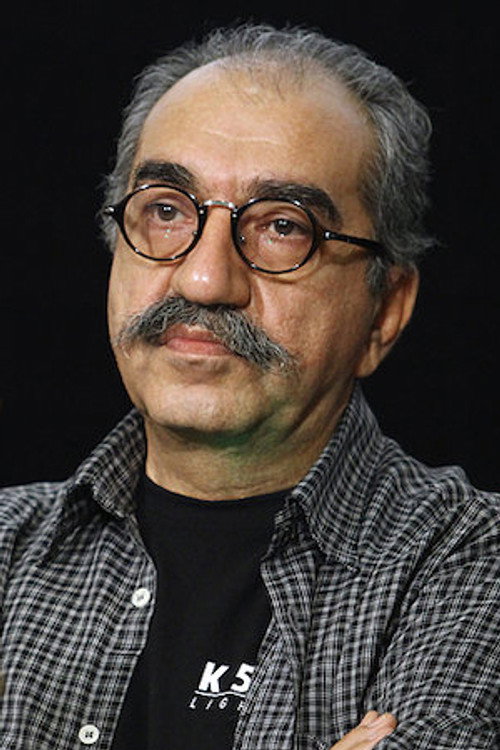
Turaj Mansuri
Camera
Biography
Turaj Mansuri is an Iranian cinematographer, director and producer. He is the current president of the Iranian Society of Cinematographers.
Filmography Movies
Acting
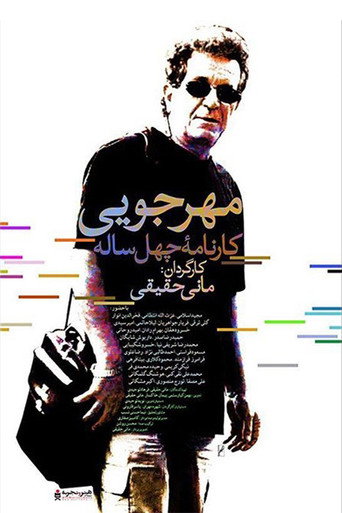
Mehrjui: The Forty-Year Report
Mehrjui: The Forty-Year Report dives into the artistic world of Iranian director Dariush Mehrjui. The film offers critical interpretations of his works from cinema experts, enriched with personal anecdotes from his peers.
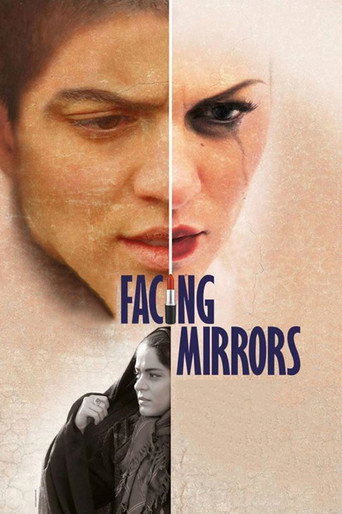
Facing Mirrors
Rana has chosen a path in order to support her family, while Adineh (Eddie) has fled his home and city to escape his complicated situation as a transsexual man prevented from living as his true self by his family. They find themselves on the same journey and caused to know each other in a better way.
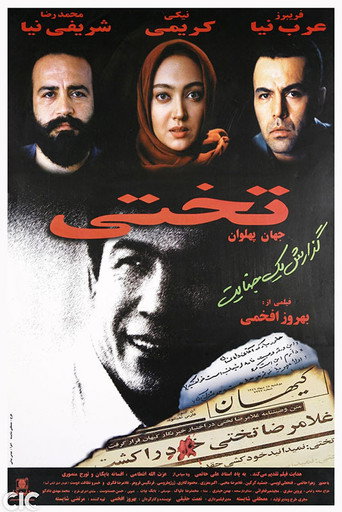
Takhti
Ali Hatami's film on the life of Iranian wrestling champion Takhti remains unfinished. Another director is assigned by the I.R. Intelligence Ministry to finish the project. The new director wants to carry out research on the life of the champion, and it would seem that he will have to solve numerous problems before he can finish the job.
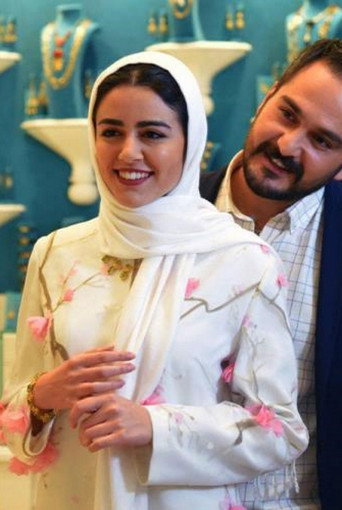
Untaken Paths
A young woman in love marries against the wishes of her family. She is challenged when her nascent marriage is thrown into trouble because of the couple's roots in different social strata.
Production
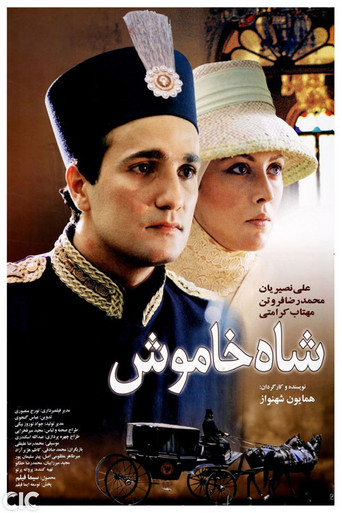
The Silent King
In the beginning of the World War I, Iran’s government decides to remain neutral in order to save the country from further damage. But the countries in war, especially the allied powers (Russia and Britain) and the axis powers (Germany and the Ottoman Empire) ignore Iran’s stance and turn the country into their political and military battlefield. In this situation the young Ahmad Shah Qajar, Iran’s king, feels helpless facing these highly experienced foreign politicians. The young king remembers nothing from his childhood or teen years, and during one of the toughest historical points of Iran when the Russians and the British politicians interfere with most of Iran’s internal affairs to the point of affecting Iranian people’s personal lives, he meets Konts de Gotti, the daughter of Austria’s prime minister in Iran ...
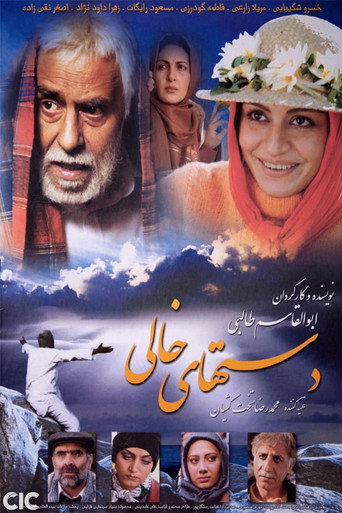
Empty Hands
Maryam's husband has been a prisoner of war for many years. Maryam leaves the house at night, her daughter suspicious of her. An anonymous call from Maryam's relationship with a stranger says.
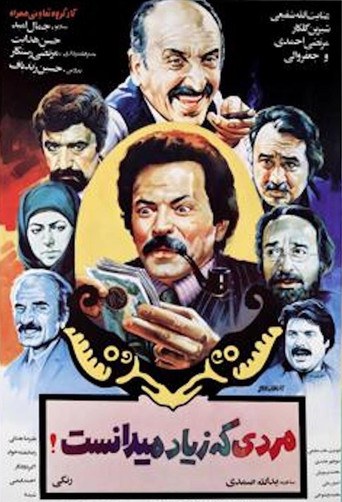
The Man Who Knew too Much
A young employee named Mehraban who is unhappy with his hard life meets a mysterious old man dressed in black. The old man says he will get Mehraban what he wants on the condition that he make the right use of his opportunities. Mehraban agrees. The old man leaves a newspaper with him dated three months in the future reporting the war between Iran and Iraq. Mehraban makes a lot of money by purchasing essential goods, hoarding them and then selling them later at much higher prices during the war. However he loses his fiancee and breaks with his friends. The mysterious old man appears again. He tells him he has abused his privileged opportunity and not to continue on the wrong path; on their last meeting he tells him he has become a monster and he must either to go back to his former life or die. The fear of death causes Mehraban to donate his illegitimate funds to charities and return to his honorable life.
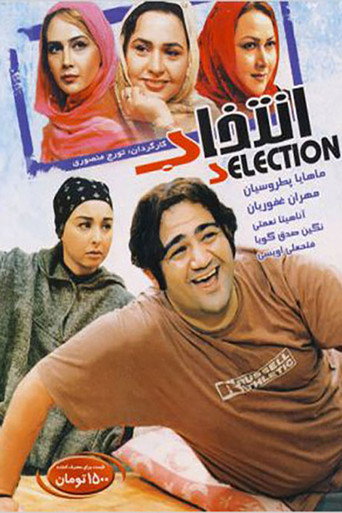
The Choice
The choice of the name of the film is directed by Touraj Mansouri. This film is a product of Iran and produced in 2004
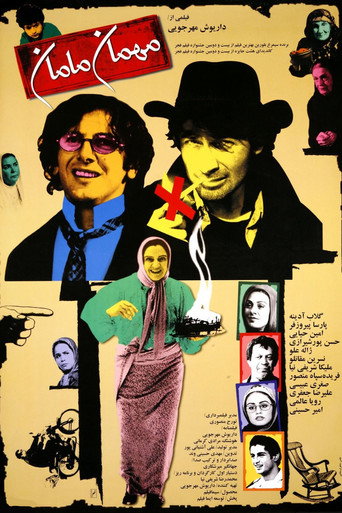
Mum's Guest
A mother of a poor family, has guests coming over, yet doesn't know how to get the dinner party altogether with limited resources.

Laleh
Laleh is a true story of a young woman in post-revolution Iran, struggling against all odds to break through in one of the most male dominated sports worldwide.
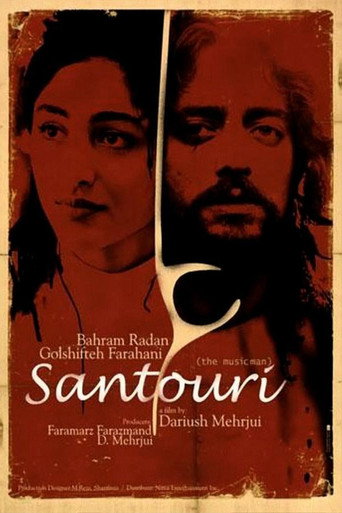
The Music Man
Ali is son of a well-off family who plays the santoor (an Iranian instrument) and has earned some reputation through his concerts and teaching music but is rejected by his family because of this profession, which they despise. He falls for one of his music students but after a short blissful period, life doesn't treat him as well as before and also his addiction agonizes him in his numbered days before redemption.
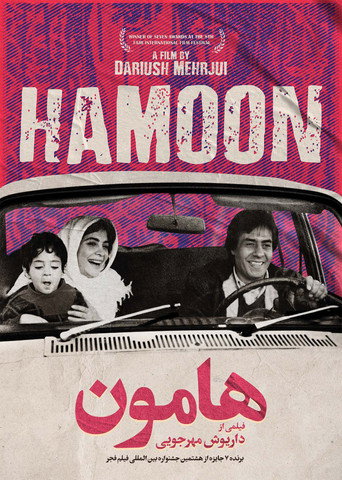
Hamoon
Hamoon's wife is leaving him. He is also unsuccessfully trying to finish his Ph.D. thesis. He is forced to reexamine his life. In a series of flashbacks and dreams, Hamoon tries to figure out what he did wrong.
Facing Mirrors
Rana has chosen a path in order to support her family, while Adineh (Eddie) has fled his home and city to escape his complicated situation as a transsexual man prevented from living as his true self by his family. They find themselves on the same journey and caused to know each other in a better way.
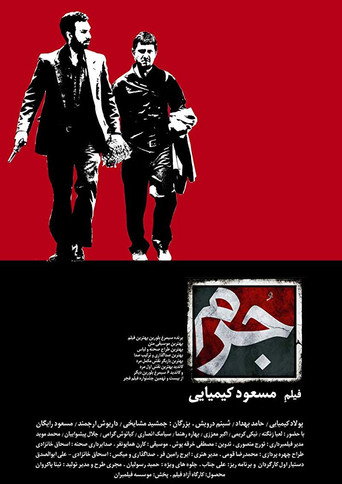
Crime
Between years 1976-79 in Tehran, the story of Reza Sarcheshmeh, a man who does not want to compromise on his believes. He is imprisoned and then after 2 years released but involved in the Islamic Revolution.
Gallery