Tsetsilia Tsutsunava Movies, TV Shows, and Filmography
Tsetsilia Tsutsunava
Acting
Biography
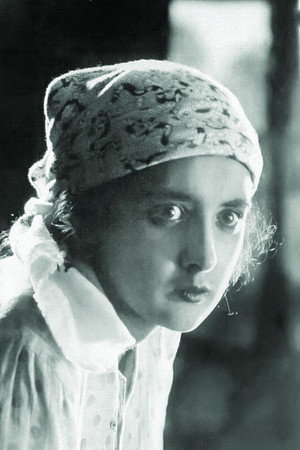
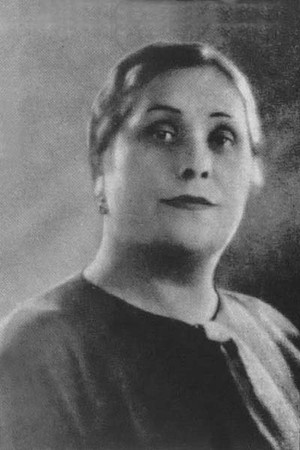
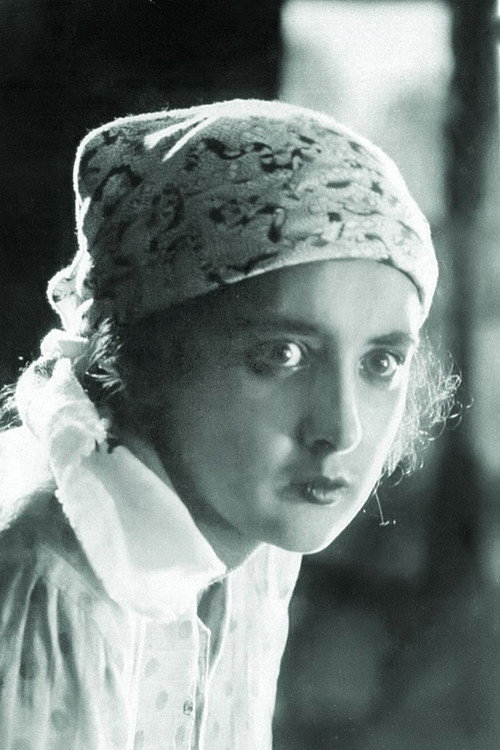
She started her studies in the village of Guryanta , continued first in Ozurgeti, then in Batumi , and finally in 1912 she graduated from Poti Gymnasium. The theater was the passion of the Tsutsunava family. Cecilia, together with her younger brother, got interested in this field of art early on. She made his debut in Batumi, where she performed the role of Salikha in Nino Nakashidze's play "Who is to blame?". She was forced to start teaching in the village of Tamish in Abkhazia , where a school was founded at that time. In 1920 , she moved to Tbilisi and joined the Rustaveli Theater until 1926, in 1926-1928 she was acting in the "Red Theater" of Tbilisi, And in 1928 in the State Academic Theater named after Kote Marjanishvili , where she served the Georgian theater until the end of his life. She portrayed: Karozhna ("Trouble of Darispan"), Maka ("Nut in the Heart"), Darejan ("Man is a man?!"), Anna Andreevna ("Revisor"), Marcelina ("Marriage of Figaro"), Lirsa ("Kvarkvara Tutaberi "), and many others. Tsutsunava's creative work in Georgian cinema began in the 20s , although the audience saw her for the first time in the first Georgian feature film "Christine" shot in 1916 , where she created the memorable face of Marine. This was followed by excellent roles in other films: "Who's to blame", "Guli", "Eliso", "Late Bride", "Keto and Kote", "Dragonfly" and others. Tsecilia Tsutsunava was a highly characterful and comedic actress of rich creative nature. Her contribution to the Georgian theater art was marked with an order and medals during the Red Time of Labor . She is buried in the Didube pantheon of writers and public figures, Tbilisi .
Filmography Movies
Acting
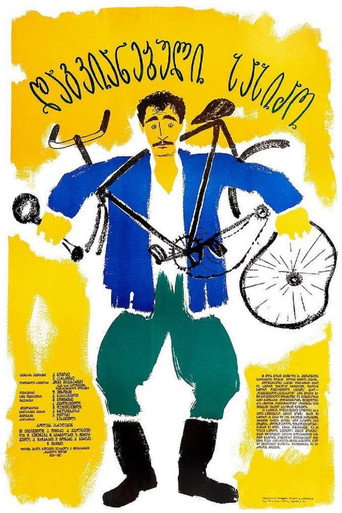
Fiancé Who Was Too Late
The modest Sandro does not dare to reveal his love to Maro, who, in turn, is very jealous of Sandro’s friendship with a female football instructor. Maro’s suspicions are unfounded, as Sandro is passionate about football and has only a sporting interest in the instructor.
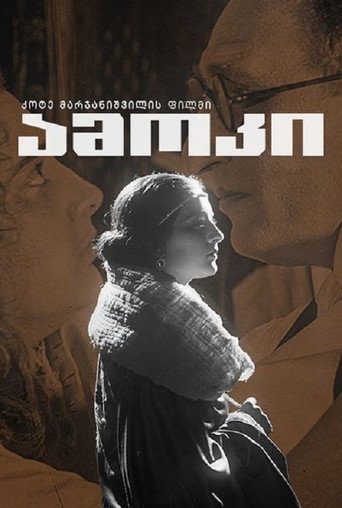
Amoki
A drug-addicted doctor lives in isolation in Africa. One day, a young, attractive married woman approaches him, seeking an abortion. He agrees to perform the procedure, but only if she submits to his sexual demands. The woman refuses and leaves immediately.

Gogi Ratiani
Directed by Kote Mardzhanishvili Production: Georgia Goskinprom The fate of two Georgian schoolchildren, Gogi and Kiko, who share a love of painting, a dream to go to art school. The action of the film begins on the eve of the October Revolution.
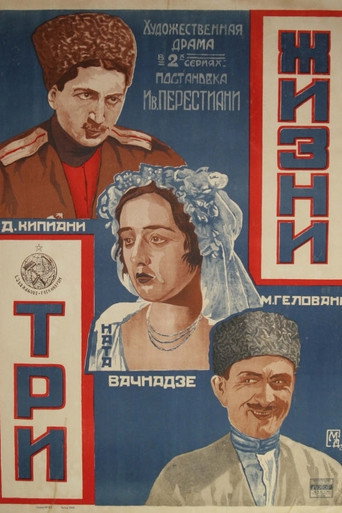
Three Lives
Bakhva Pulava, a merchant from Poti fells in love with a poor tailor woman named Esma and marries her. At the same time, enchanted by her beauty, another man named Jeremiah Tsarba decides to kidnap her. When Esma refuses to share bed with him Jeremiah mercilessly kills her and when faced by accusations avoids punishment with the help of Valida, an influential nobleman’s daughter. Bakhva Pulava makes a decision to take justice into to his hands.
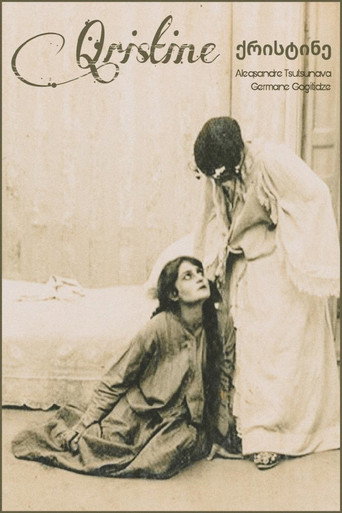
Christine
Christine, a village girl, raped by Jason Uqmadze, a local aristocrat, decides to take her own life but the villagers spot her body in the river and manage to save her. After the suicide fiasco, Christine befriends Sona, her alleged well-wisher in hope to start her life anew. Instead of helping her, as promised, Sona takes Christine to the brothel.
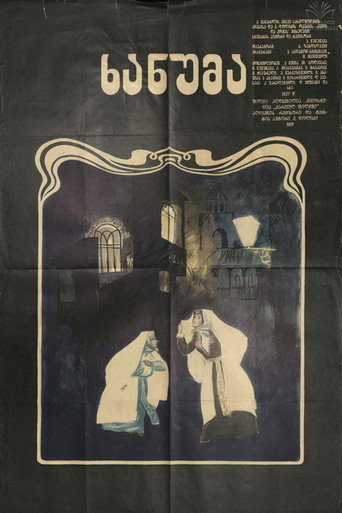
Khanuma
Prince bon-vivant Levan Phantiashvili finds himself in a difficult financial situation. To make his life better he agrees to marry the merchant Adam Varakhidze’s daughter, Elo. The merchant is happy for this move opens the door in a high society for him until he finds out that Elo is not quite happy with his decision.
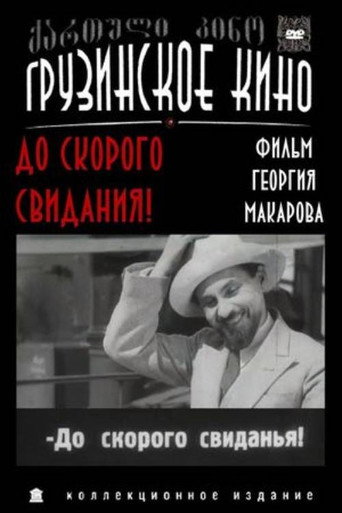
Farewell
The action of the film takes place in 1905-07. The main characters are a revolutionary who escaped from Metekhi prison and two brothers who hate each other.
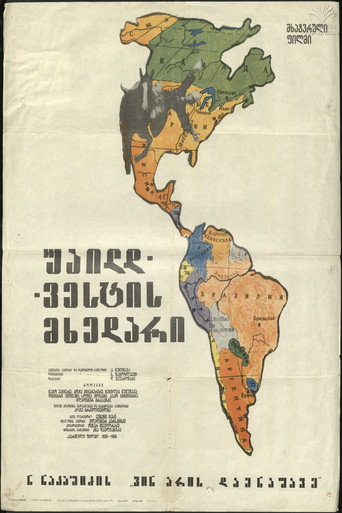
Who Is Guilty?
Blinded by the desire of wealth, mother of Siko makes him leave behind his wife and child and go to America.
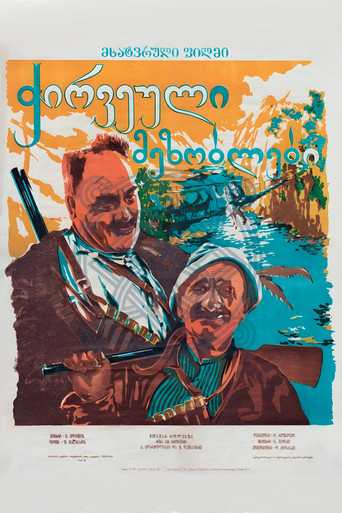
Cantankerous Neighbors
The two neighbors, Amiran (ამირანი) and Gramiton (გრამიტონი), are cantankerous individuals who argue about everything for no reason. Their constant bickering is very amusing to everyone in the village, as they compete to see who is better.
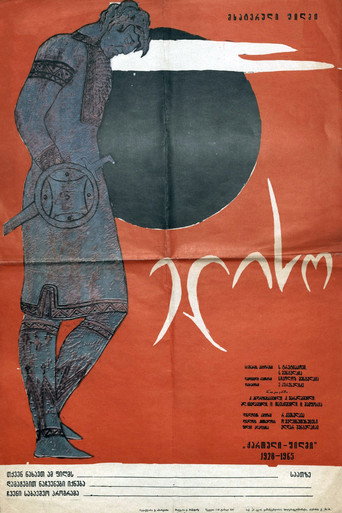
Eliso
Georgia, 1864. The Tsarist regime is using Cossacks to forcibly resettle Muslim Georgians to Turkey in order to steal their land. Meanwhile a Muslim girl falls in love with a Christian from the next village.
Gallery