Trịnh T. Minh-hà Movies, TV Shows, and Filmography
Trịnh T. Minh-hà
Directing
Biography
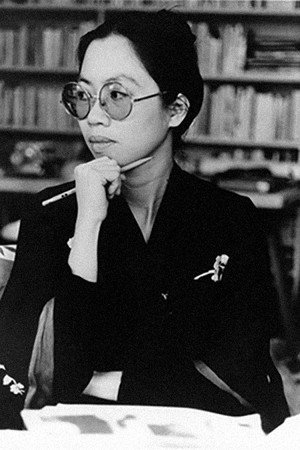
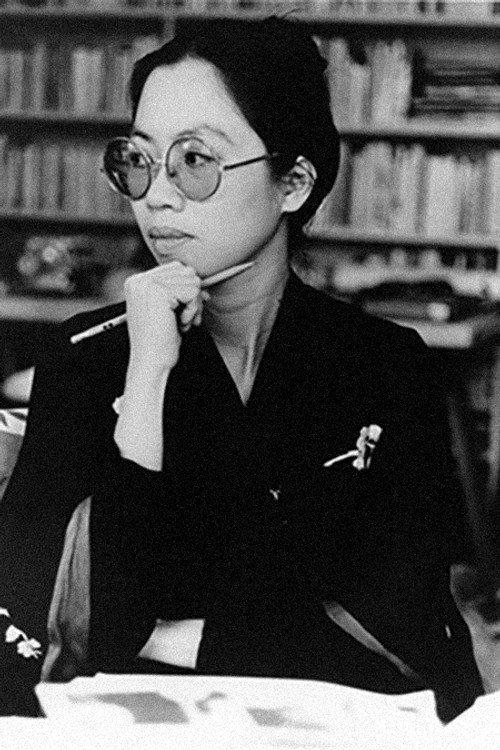
Trịnh T. Minh-hà (born 1952) is a Vietnamese filmmaker, writer, literary theorist, composer, and professor. She has been making films for over thirty years and may be best known for her films Reassemblage, made in 1982, and Surname Viet Given Name Nam, made in 1985.
Filmography Movies
Acting
A Place of Rage
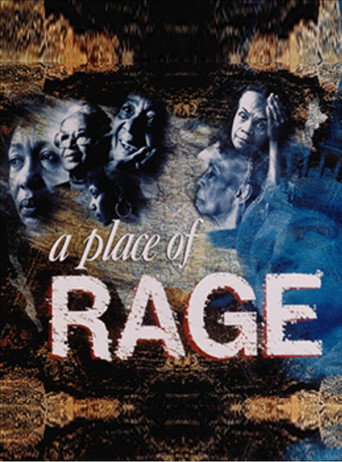
Featuring enlightening interviews with Angela Davis, June Jordan, and Alice Walker, this essential documentary is an exuberant celebration of Black American women and their achievements. Within the context of the civil rights, Black power, feminist, and LGBT movements, the trio reassess how women such as Rosa Parks and Fannie Lou Hamer revolutionized American society and the world.
The Fourth Dimension
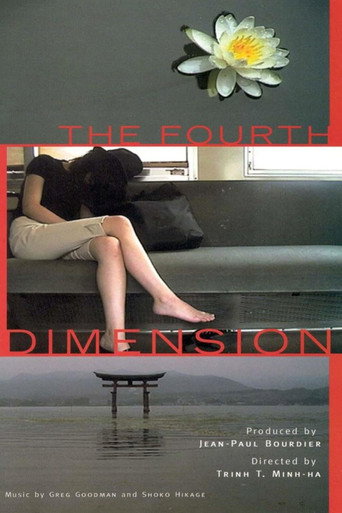
This is an elegant meditation on time, travel, and ceremony in the form of a journey. In her first foray into digital video, Trinh T. Minh-ha deconstructs the role of ritual in mediating between the past and the present.
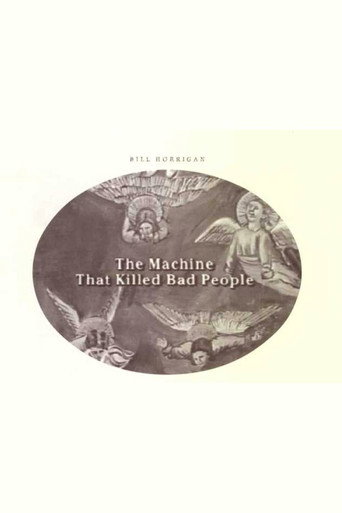
The Machine That Killed Bad People
The Machine That Killed Bad People is about the cultural and political history of the Philippines leading up to the overthrow of President Ferdinand Marcos in 1986. It also addresses the role of electronic media in the struggle for power, and more broadly, American intervention in the Third World. Using a structure that emulates the way television news programs construct meaning through fragmentation, the tape interweaves clips of Filipino activists and reporters, a fictional television anchorwoman and correspondent, commentary by independent filmmaker Trinh T. Minh-ha, Fagin's off-camera voice and script, and anonymous excerpts from commercial television.

What about China?
The film takes the notion of harmony in China as a site of creative manifestation, and draws from footage shot in 1993 and 1994, in Eastern and Southern China, specifically from provinces Anhui, Hubei, Zhejiang, Fujian and Guangxi—linked to the remote origins of Chinese civilisation.
Production
Toc Storee
The film utilizes the story-telling format to create a multilevel narrative that explores the relations between speech, language, and desire. Addresses issues of sexuality, subjectivity, tradition, and identity in gay Asian contexts.
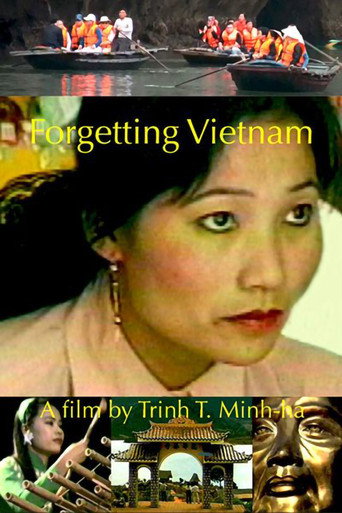
Forgetting Vietnam
“It all begins with two”: departure/return, earth/water, history/tourism… Starting from the ancient myth of Vietnam’s foundation – a battle between two dragons – and from the balance between earth and water that defines the country geographically, Trinh Minh-ha composes a palimpsest of words and images filmed in 1995 in Hi-8 video, then in HD in 2012. Words, superimposed, come and go like a graphic ballet that adds a layer to the archaeology visible in the landscape, a mix of ancient traditions and authoritarian attempts to eradicate them.
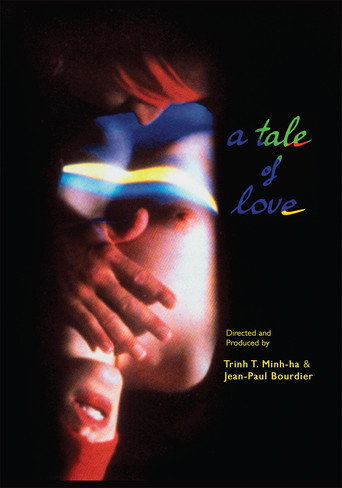
A Tale of Love
Portraying the Vietnamese immigrant experience through Kieu, A Tale of Love follows the quest of a woman in love with Love. Voyeurism runs through the history of narrative and is here one of the threads that structure the film. Playing with the fiction of love in love stories, the film invites a different experience of cinema with non-naturalistic acting and layered interaction of performed reality, memory and imagination.
A Tale of Love
Portraying the Vietnamese immigrant experience through Kieu, A Tale of Love follows the quest of a woman in love with Love. Voyeurism runs through the history of narrative and is here one of the threads that structure the film. Playing with the fiction of love in love stories, the film invites a different experience of cinema with non-naturalistic acting and layered interaction of performed reality, memory and imagination.
A Tale of Love
Portraying the Vietnamese immigrant experience through Kieu, A Tale of Love follows the quest of a woman in love with Love. Voyeurism runs through the history of narrative and is here one of the threads that structure the film. Playing with the fiction of love in love stories, the film invites a different experience of cinema with non-naturalistic acting and layered interaction of performed reality, memory and imagination.
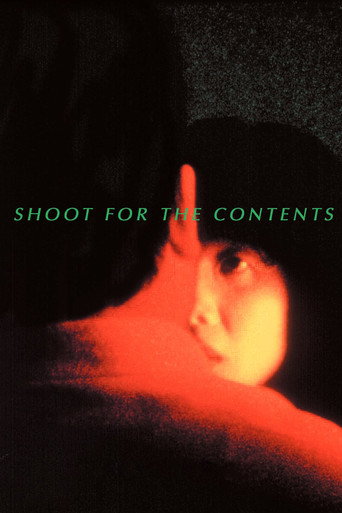
Shoot for the Contents
Reflecting on Mao's famous saying, "Let a hundred flowers blossom and a hundred schools of thought contend," Trinh T. Minh-ha's film — whose title refers in part to a Chinese guessing game — is a unique excursion into the maze of allegorical naming and storytelling in China.
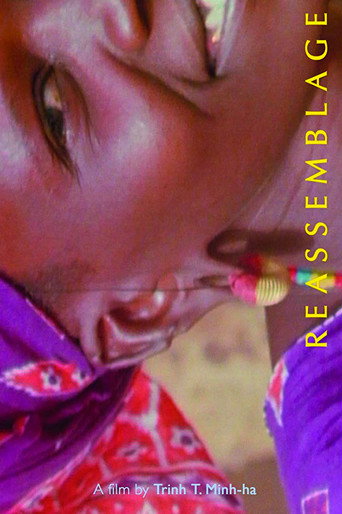
Reassemblage: From the Firelight to the Screen
A complex visual study of the women of rural Senegal. Through a complicity of interaction between film and spectator, Reassemblage reflects on documentary filmmaking and the ethnographic representation of cultures.
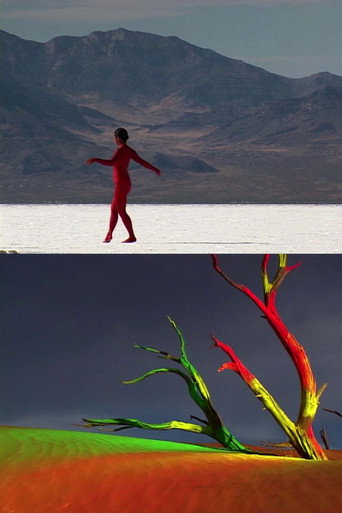
bodies of the desert
Trinh T. Minh-ha | USA 2005
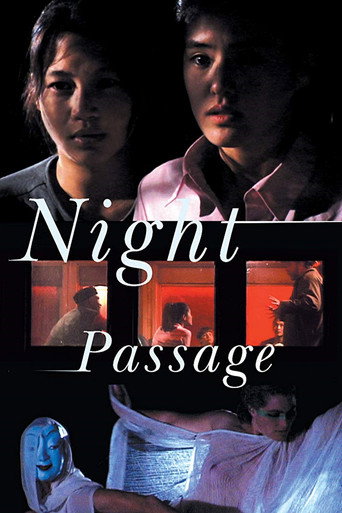
Night Passage
Night Passage is a digital film on friendship and death. Made in homage to Miyazawa Kenji's classic novel, Milky Way Railroad, the story evolves around the spiritual journey of a young woman, in the company of her best friend and a little boy, into a world of rich in-between realities. Their venture into and out of the land of "awakened dreams" occurs during a long ride on a night train. The filmmaker elegantly depicts each encounter in two-dimensional space with a unique artistic gesture and ingeniously frames the passage as a series of rhythmic image sequensces as seen through the window of a train.
Night Passage
Night Passage is a digital film on friendship and death. Made in homage to Miyazawa Kenji's classic novel, Milky Way Railroad, the story evolves around the spiritual journey of a young woman, in the company of her best friend and a little boy, into a world of rich in-between realities. Their venture into and out of the land of "awakened dreams" occurs during a long ride on a night train. The filmmaker elegantly depicts each encounter in two-dimensional space with a unique artistic gesture and ingeniously frames the passage as a series of rhythmic image sequensces as seen through the window of a train.
Gallery