Trâm Anh Nguyễn Movies, TV Shows, and Filmography
Trâm Anh Nguyễn
Directing
Biography
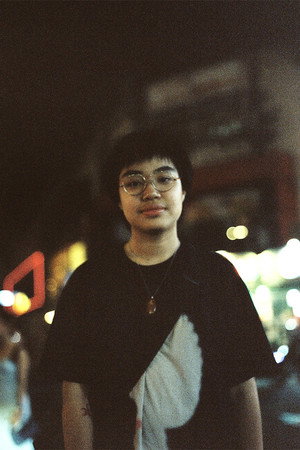
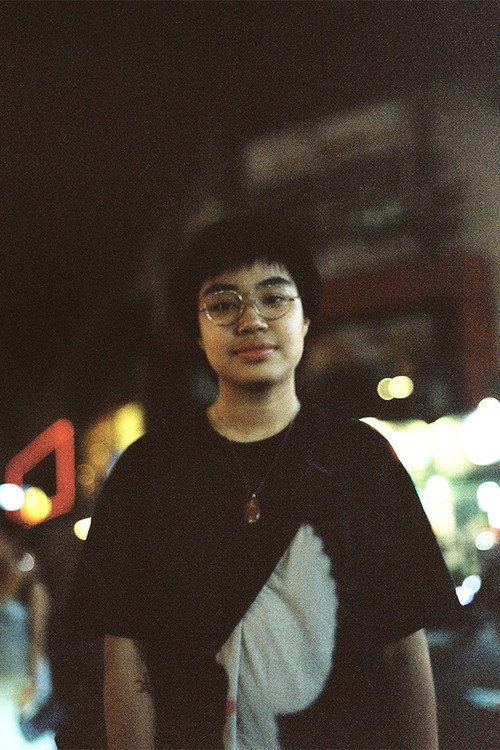
Trâm Anh Nguyễn (he/him) is an interdisciplinary artist specializing in filmmaking and photography based in Vietnam and Canada. Binding documentation and storytelling across mediums, his work aims to look with a softened gaze, revealing universal themes woven together of tenderness, longing, hope, gentleness, resilience, and memory. He wishes to continue in creating more projects that reflect on the intricate politics of gender and culture, and explore his queer-trans identity in interconnection with his Vietnamese roots. His short films have screened at TIFF Next Wave, InsideOut Film Festival, Pleasure Dome, and TATE x Otherness Archive.
Filmography Movies
Acting
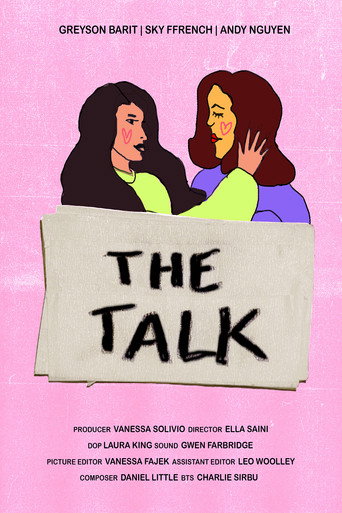
The Talk
“The Talk” showcases the experiences of three LGBTQ+ youth learning about sex health under an inadequate Canadian sex-ed curriculum. Each subject opens up about their knowledge surrounding sexual health, gender identity, the not so honest information they were taught in their classrooms and its impact on their self-image.
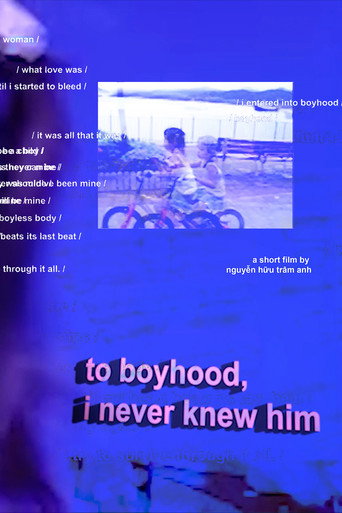
to boyhood, i never knew him
Archive footage from 2006 - 2010 of a young girl growing up during the ages of four to eight. Only fragments of what is remembered exists. Words from a transgender man float to the surface as fleeting memories go on.
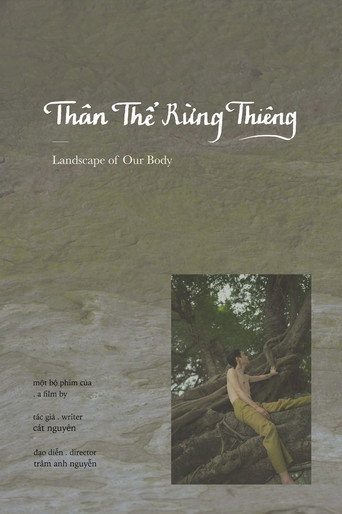
Landscape of our Body
As queer trans and gender non-conforming children of the Vietnamese diaspora, we are fragmented at the crossroads of being displaced from not only a sense of belonging to our ancestral land, but also our own bodies which are conditioned by society to stray away from our most authentic existence. Yet these bodies of ours are the vessels we sail to embark on a lifetime voyage of return to our original selves. It is our bodies that navigate the treacherous tides of normative systems that impose themselves on our very being. And it is our bodies that act as community lighthouses for collective liberation. Ultimately, the landscape of our bodies is our blueprint to remembering, to healing, to blooming.
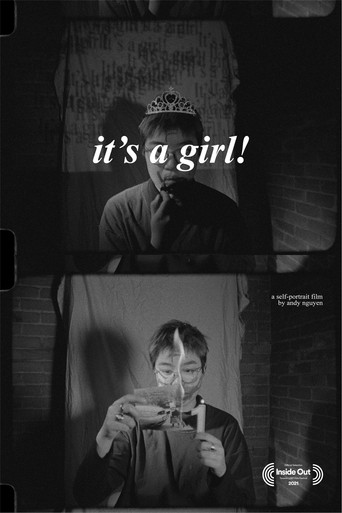
it's a girl!
A self-portrait short film on 16mm from a trans male perspective.
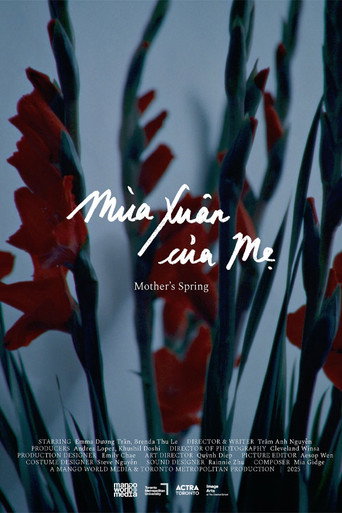
Mother's Spring
As Tết (Vietnamese Lunar New Year) approaches, a young Vietnamese immigrant grapples between the complexities of their culture and transmasculine identity, when pressured by their mother to wear a feminine áo dài dress.
Production
it's a girl!
A self-portrait short film on 16mm from a trans male perspective.
to boyhood, i never knew him
Archive footage from 2006 - 2010 of a young girl growing up during the ages of four to eight. Only fragments of what is remembered exists. Words from a transgender man float to the surface as fleeting memories go on.
to boyhood, i never knew him
Archive footage from 2006 - 2010 of a young girl growing up during the ages of four to eight. Only fragments of what is remembered exists. Words from a transgender man float to the surface as fleeting memories go on.
to boyhood, i never knew him
Archive footage from 2006 - 2010 of a young girl growing up during the ages of four to eight. Only fragments of what is remembered exists. Words from a transgender man float to the surface as fleeting memories go on.
Landscape of our Body
As queer trans and gender non-conforming children of the Vietnamese diaspora, we are fragmented at the crossroads of being displaced from not only a sense of belonging to our ancestral land, but also our own bodies which are conditioned by society to stray away from our most authentic existence. Yet these bodies of ours are the vessels we sail to embark on a lifetime voyage of return to our original selves. It is our bodies that navigate the treacherous tides of normative systems that impose themselves on our very being. And it is our bodies that act as community lighthouses for collective liberation. Ultimately, the landscape of our bodies is our blueprint to remembering, to healing, to blooming.
Landscape of our Body
As queer trans and gender non-conforming children of the Vietnamese diaspora, we are fragmented at the crossroads of being displaced from not only a sense of belonging to our ancestral land, but also our own bodies which are conditioned by society to stray away from our most authentic existence. Yet these bodies of ours are the vessels we sail to embark on a lifetime voyage of return to our original selves. It is our bodies that navigate the treacherous tides of normative systems that impose themselves on our very being. And it is our bodies that act as community lighthouses for collective liberation. Ultimately, the landscape of our bodies is our blueprint to remembering, to healing, to blooming.
Landscape of our Body
As queer trans and gender non-conforming children of the Vietnamese diaspora, we are fragmented at the crossroads of being displaced from not only a sense of belonging to our ancestral land, but also our own bodies which are conditioned by society to stray away from our most authentic existence. Yet these bodies of ours are the vessels we sail to embark on a lifetime voyage of return to our original selves. It is our bodies that navigate the treacherous tides of normative systems that impose themselves on our very being. And it is our bodies that act as community lighthouses for collective liberation. Ultimately, the landscape of our bodies is our blueprint to remembering, to healing, to blooming.
Landscape of our Body
As queer trans and gender non-conforming children of the Vietnamese diaspora, we are fragmented at the crossroads of being displaced from not only a sense of belonging to our ancestral land, but also our own bodies which are conditioned by society to stray away from our most authentic existence. Yet these bodies of ours are the vessels we sail to embark on a lifetime voyage of return to our original selves. It is our bodies that navigate the treacherous tides of normative systems that impose themselves on our very being. And it is our bodies that act as community lighthouses for collective liberation. Ultimately, the landscape of our bodies is our blueprint to remembering, to healing, to blooming.
Landscape of our Body
As queer trans and gender non-conforming children of the Vietnamese diaspora, we are fragmented at the crossroads of being displaced from not only a sense of belonging to our ancestral land, but also our own bodies which are conditioned by society to stray away from our most authentic existence. Yet these bodies of ours are the vessels we sail to embark on a lifetime voyage of return to our original selves. It is our bodies that navigate the treacherous tides of normative systems that impose themselves on our very being. And it is our bodies that act as community lighthouses for collective liberation. Ultimately, the landscape of our bodies is our blueprint to remembering, to healing, to blooming.
Hoa
Before her memory disorder develops, a Vietnamese grandmother maps out her life in a memoir.
Gallery