Trà Giang Movies, TV Shows, and Filmography
Trà Giang
Acting
Biography
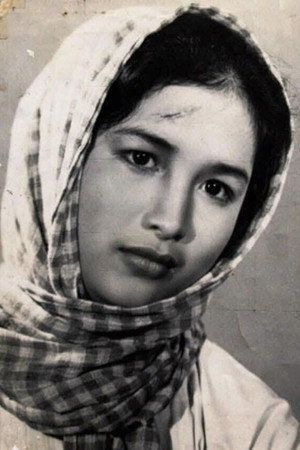
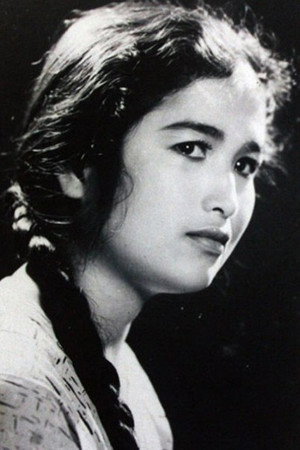
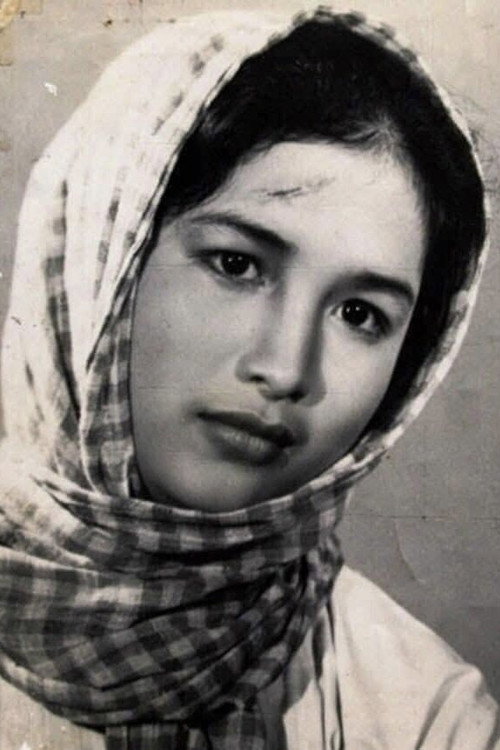
People's Artist Nguyễn Thị Trà Giang (born 11 December 1942 in Phan Thiết) is a Vietnamese actress, politician and painter. She is often regarded as one of the greatest figures of early Vietnamese cinema, and was the first film star to be named a People’s Artist of Vietnam. Daughter of prestigious stage director Nguyễn Văn Khánh, Trà Giang immigrated to Hai Phong with her father’s troupe following the 1954 partition of Vietnam. In 1959, she passed a selective audition and joined the newly inaugurated Vietnamese Academy of Performing Arts in Hanoi, where she made her debut in stage and occasionally took on background acting roles at Hanoi Film Studio. After her graduation from the Academy, Trà Giang made her debut as Mrs. Kien in "A First Day in Autumn" (Một ngày đầu thu, d. Huy Vân & Hải Ninh, 1962). In 1963, Trà Giang rose to prominence with the career-defining role as the titular character in Phạm Kỳ Nam’s “Mrs. Tư Hậu”(Chị Tư Hậu). In 1973, she won the award for Best Actress at the 8th Moscow International Film Festival for her role in "17th Parallel, Nights and Days" (Vĩ tuyến 17 ngày và đêm, d. Hải Ninh). The last film Trà Giang participated in was "The River of White Flowers" (Dòng sông hoa trắng, d. Trần Phương, 1989). The actress has since been mostly active as painter. She had also briefly entered politics, with two times elected as the Representative of the constituency in her father’s hometown Quảng Ngãi (then Nghĩa Bình province).
Filmography Movies
Acting
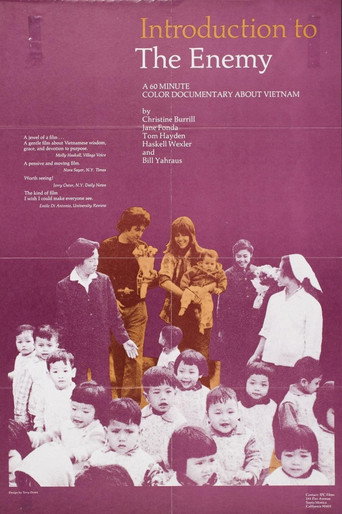
Introduction to the Enemy
This film documents the journey of actress Jane Fonda and her husband – future California state senator Tom Hayden – through North and South Viet Nam in 1974. They travel from villages to towns talking with ordinary Vietnamese about their lives and the effects of the war on their lives, families, and communities.
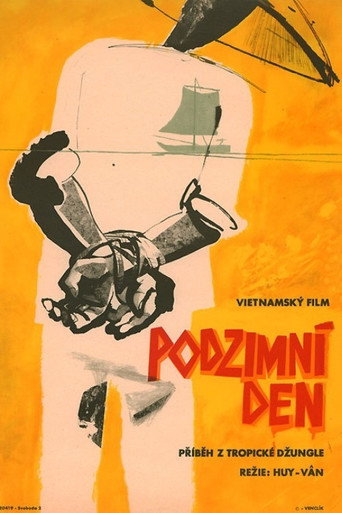
An Early Autumn Day
Duong and Tho are two military intelligence officers tasked with investigating enemy positions. They arrive in a rural area and meet Kien, a guerrilla fighter. Kien's wife, who deeply loves her husband, fears that if he continues his activities, he will be targeted by terrorists, leading to the destruction of their family's happiness. For this reason, she tries to stop her husband and clashes with Tho.
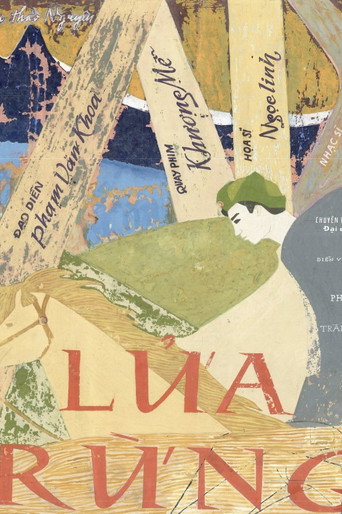
Fire in the Woods
In mid-1960s, groups of American paratroopers arrive at a Hmong village near the Vietnam-Laos border. Among the troops are former villagers who collaborated with the French; having returned home , they seek to win over the village’s support.
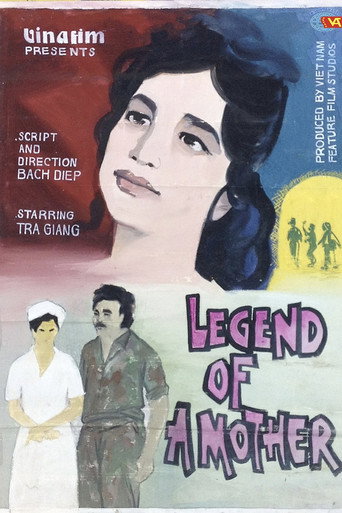
The Legend of the Mother
At a maternity ward in South Vietnam, a midwife adopts three orphaned children after their mothers, undercover Communist spies, go missing or die in action.
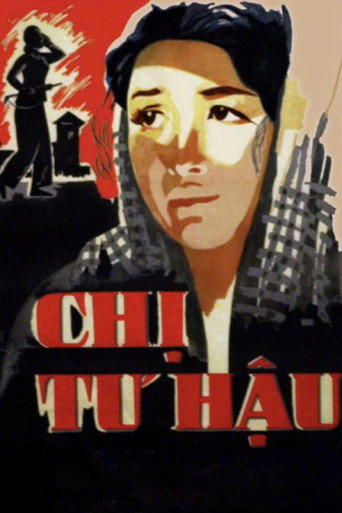
Mrs. Tư Hậu
Tư Hậu is a common woman from a fishing village whose husband has gone away to fight in the revolution. She takes care of her young daughter as well as her aging father-in-law. Soon, her peaceful village is attacked.
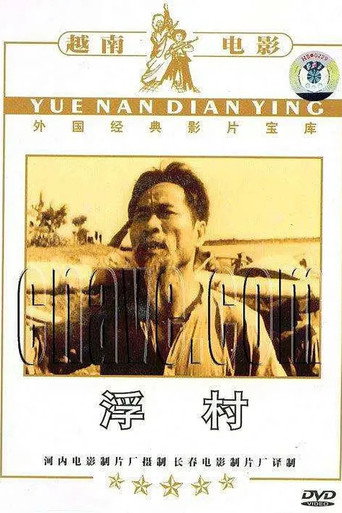
Floating Village
The inhabitants of a small island in the delta of the turbulent Red River are doomed to poverty: floods wash away crops, livestock, and even people. From generation to generation, a legend is passed down about a kind dragon that can drink the river's water and save the village. But the dragon is a fairy tale, and the people have decided to block the treacherous river themselves. With extraordinary perseverance, fighting against the elements, the village population builds protective fortifications around the island.
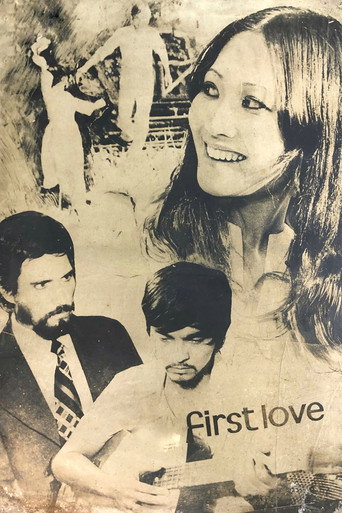
First Love
Student Ba Duy sinks deep into heartbreak and a nihilistic street life when his sweetheart, Diem Huong, suddenly leaves him to marry an American diplomat.
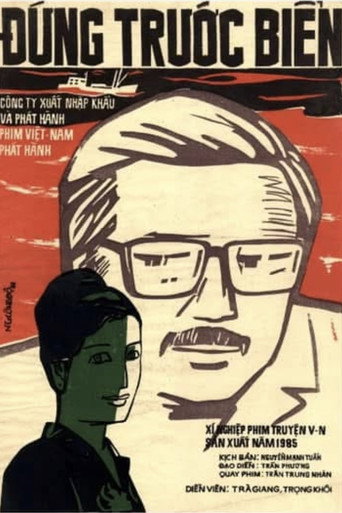
Standing In Front Of The Sea
When a post-war fishing firm fails to meet its expected demand, the chief accountant begins falsifying records and cutting down on wages paid to the already struggling fishers.
Killer
Lonely at old age, Định seeks solace in the companionship of a colleague who then moves in to live with him. Wary of an imminent marriage that will interfere with their inheritance, Định’s children scheme to break up his new relationship.
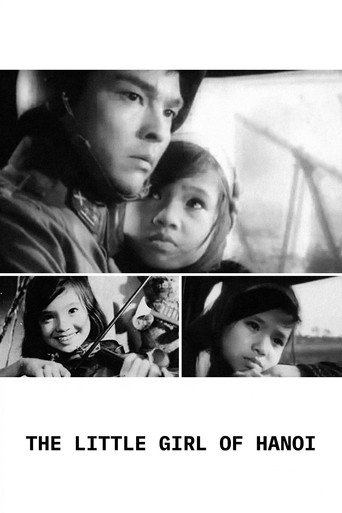
The Little Girl of Hanoi
A young girl searches for her father, a soldier in the PAVN, after her mother and sister are killed during Christmas Bombings.
Gallery