Tourmaline Movies, TV Shows, and Filmography
Tourmaline
Directing
Biography
Tourmaline is an artist and filmmaker whose work includes Atlantic is a Sea of Bones, The Personal Things, Lost in the Music and Happy Birthday, Marsha! She is also an editor of TRAP DOOR, an anthology on trans cultural production published by the New Museum & MIT Press.
Filmography Movies
Production
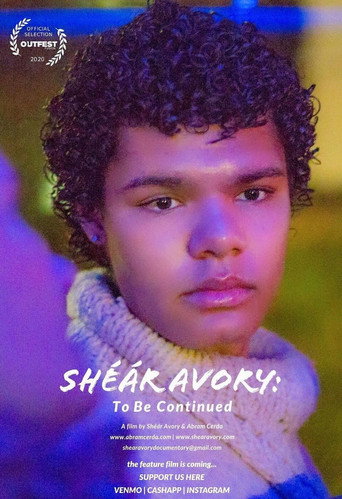
Shéár Avory: To Be Continued
The coming of age story of Shéár Avory, a 17 year old trans* aspiring social justice advocate in Los Angeles who navigates housing instability and familial dependency on their journey to adulthood. Shéár depends closely on their mother for continued access to their medical transition, though struggling in her recovery from addiction, she is unable to always offer Shéár the support they need. An observational piece, the film aims to ask, what does coming into adulthood actually look like, for a young Black trans* femme in today’s America?
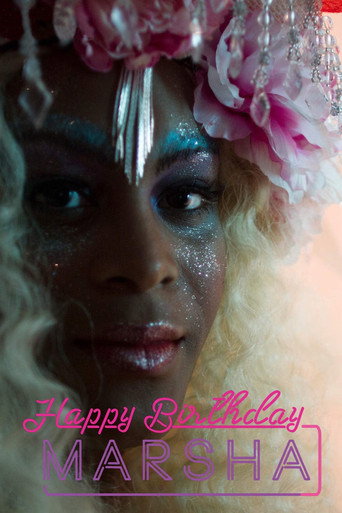
Happy Birthday, Marsha!
It's a hot summer day in June, 1969. Marsha throws herself a birthday party and dreams of performing at a club in town, but no one shows up. Sylvia, Marsha’s best friend, distraught from an unsuccessful introduction between her lover and her family, gets so stoned she forgets about the party. Marsha, Sylvia, and friends eventually meet at the Stonewall Inn to celebrate Marsha's birth. When the police arrive to raid the bar, Marsha and Sylvia are among the first to fight back.
Happy Birthday, Marsha!
It's a hot summer day in June, 1969. Marsha throws herself a birthday party and dreams of performing at a club in town, but no one shows up. Sylvia, Marsha’s best friend, distraught from an unsuccessful introduction between her lover and her family, gets so stoned she forgets about the party. Marsha, Sylvia, and friends eventually meet at the Stonewall Inn to celebrate Marsha's birth. When the police arrive to raid the bar, Marsha and Sylvia are among the first to fight back.
Happy Birthday, Marsha!
It's a hot summer day in June, 1969. Marsha throws herself a birthday party and dreams of performing at a club in town, but no one shows up. Sylvia, Marsha’s best friend, distraught from an unsuccessful introduction between her lover and her family, gets so stoned she forgets about the party. Marsha, Sylvia, and friends eventually meet at the Stonewall Inn to celebrate Marsha's birth. When the police arrive to raid the bar, Marsha and Sylvia are among the first to fight back.

Pollinator
The artist walks through a garden, with additional footage featuring Black trans activist Marsha P. Johnson.
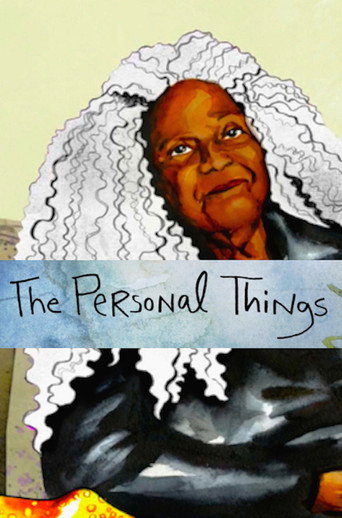
The Personal Things
“You have to find your own way to strike back.” Black trans elder and legendary activist Miss Major Griffin-Gracy describes how everyday personal acts fuel her political activism. Released in conjunction with Trans Day of Resilience/Remembrance, this short, directed by Reina Gossett with art by Micah Bazant and animation by Pamela Chavez was produced by Reina Gossett, Hope Dector, and the Barnard Center for Research on Women.
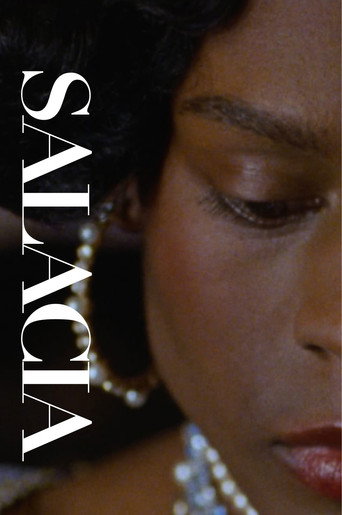
Salacia
Tourmaline is an experimental portraitist whose subject is Black trans women. This impressionistic piece concerns Mary Jones, who worked at a New York brothel in the early nineteenth century and was described as a “man-monster” in a tabloid-style lithograph that was published after her arrest, in 1836, for robbery.
Salacia
Tourmaline is an experimental portraitist whose subject is Black trans women. This impressionistic piece concerns Mary Jones, who worked at a New York brothel in the early nineteenth century and was described as a “man-monster” in a tabloid-style lithograph that was published after her arrest, in 1836, for robbery.
Salacia
Tourmaline is an experimental portraitist whose subject is Black trans women. This impressionistic piece concerns Mary Jones, who worked at a New York brothel in the early nineteenth century and was described as a “man-monster” in a tabloid-style lithograph that was published after her arrest, in 1836, for robbery.
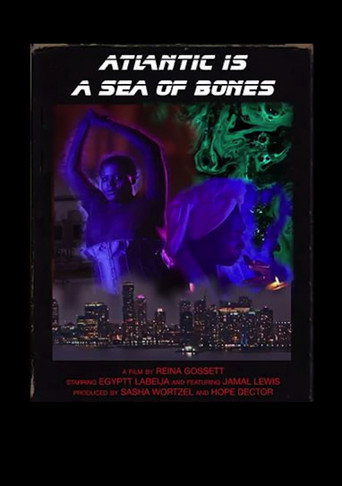
Atlantic is a Sea of Bones
Atlantic is a Sea of Bones is a short film drawing from the Lucille Clifton poem of the same name that follows Egyptt LaBejia, an NYC based performer through the 80s, 90s, and 2000's in NYC. The haunting and otherwordly film set to an original score features small every day acts of refusal, resistance, and existence—such as performance and self expression—that have a tremendous impact on the world. The film reveals how the historical and systemic violence, like the killing and policing of black queer and trans life, continue to haunt our contemporary landscapes and is inextricably linked to the ongoing AIDS epidemic and the black queer/trans spaces shaped so intimately by HIV/AIDS, including the spaces where we come together and make life together: public spaces and nightlife spaces.