Toshi Ichiyanagi Movies, TV Shows, and Filmography
Toshi Ichiyanagi
Sound
Biography
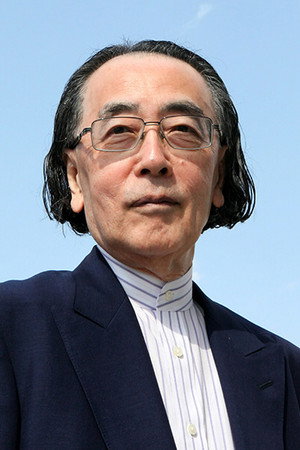
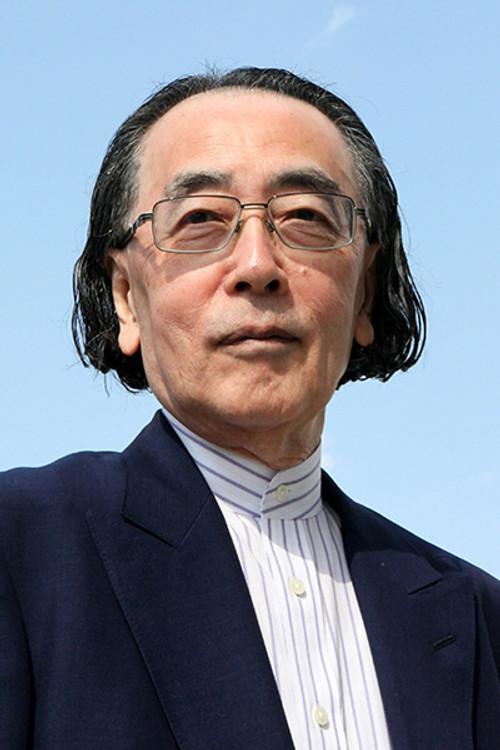
Toshi Ichiyanagi (一柳 慧 Ichiyanagi Toshi, born 4 February 1933) is a Japanese composer and pianist. Ichiyanagi was born in Kobe. He studied with Tomojirō Ikenouchi, Kishio Hirao [fr; ja], and John Cage. One of his most notable works is the 1960 composition Kaiki, which combined Japanese instruments, shō and koto, and western instruments, harmonica and saxophone. Another work, Distance (1961), required the performers to play from a distance of three meters from their instruments. Anima 7 (1964) stated that chosen action should be performed "as slowly as possible". Ichiyanagi was married to Yoko Ono from 1956 to 1963. Ichiyanagi is the recipient of the 33rd Suntory Music Award (2001) and the Foundation for Contemporary Arts John Cage Award (2018). He has been honored with Japan's Order of Culture. Description above from the Wikipedia article Toshi Ichiyanagi, licensed under CC-BY-SA, full list of contributors on Wikipedia.
Filmography Movies
Acting
Flux-Concert
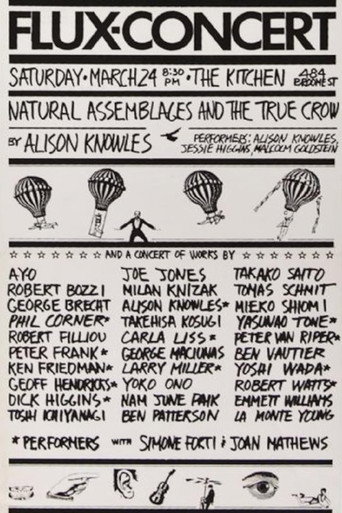
On March 24, 1979, The Kitchen presented a two-part program dedicated to the work of various Fluxus artists. The programming began with the premiere of Alison Knowles’s “Natural Assemblages and the True Crow.” For the piece, Knowles engaged in a dialogue with her own taped voice, which read aloud selections from various natural history books. Simultaneously, violinist Michael Goldstein provided an improvised score while dancer Jessie Higgins executed a number of one-movement phrases by following instructions on index cards. The second part of the night’s programming consisted of forty rapid performances—most sixty seconds or less—by various Fluxus members, including Yoko Ono, George Brecht, La Monte Young, and Nam June Paik. Ken Friedman and Larry Miller coordinated this portion of the event.
Discovery of Image – The Era of Toshio Matsumoto
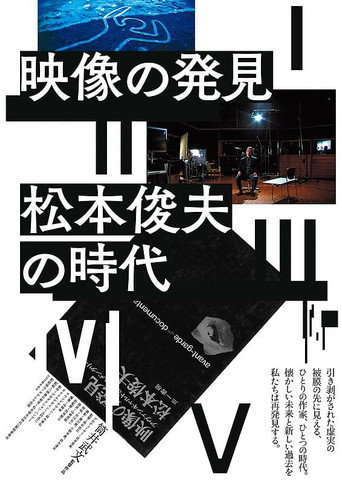
A five-part documentary chronicling Toshio Matsumoto, the legendary filmmaker known as a pioneer of experimental cinema in Japan and also active as a film theorist, who exerted a profound influence on innovative film expression from the 1950s onward. Directed by filmmaker and critic Takefumi Tsutsui—himself both a filmmaker and critic like Matsumoto—the project was filmed over the course of ten years. Interweaving excerpts from Matsumoto’s works with an extensive series of interviews with collaborators and critics, the documentary retraces, through the figure of Matsumoto, the tumultuous decades from the 1950s to the 2000s across five parts, totaling 700 minutes.
Production
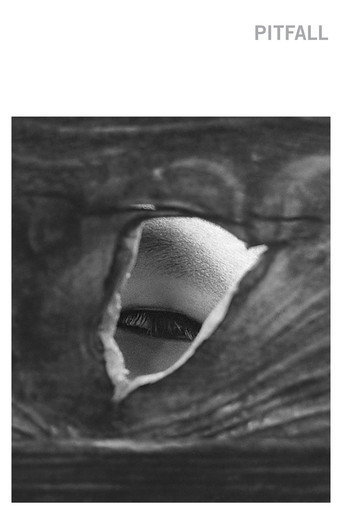
Pitfall
A man wanders into a seemingly deserted town with his young son in search of work. But after a bit of bad luck, he joins the town's population of lost souls.
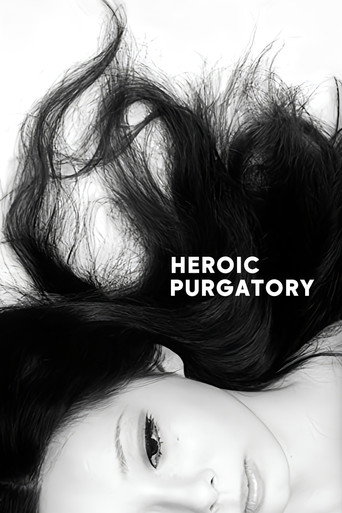
Heroic Purgatory
Rikiya Shoda is an engineer working for the Atomic Agency in Japan. One day, his wife Nanako returns home with a lost teenager called Ayu. A man, pretending to be the father, comes to get her back; Ayu keeps telling him that Rikiya and Nanako are her parents. Through this disruption, Rikiya suddenly starts remembering his youth as a revolutionary.
A Town Not Yet Seen
The film consists of fragmentary images, of water flowing in stone-paved gutters, narrow alleys and the rooftops of buildings, afternoon and night views of the city glimpsed through a car window, the fishing harbor and the ruins of a church destroyed by the atomic bomb.
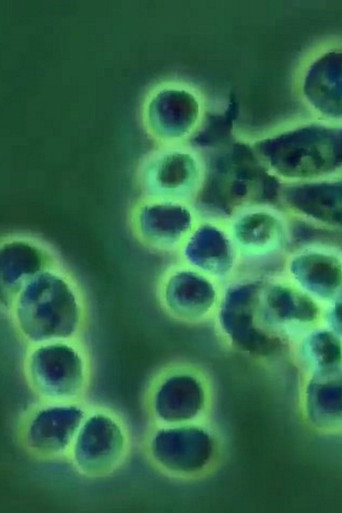
ERYTHROPOIEISIS AND ERYTHROPOIETIN
The red blood cells that carry oxygen throughout the body have a lifespan of 120 days. The living body continuously produces blood to ensure a plentiful supply of red blood cells. This film accurately records the conversion of stem cells into red blood cells. Conditions such as encounters with various other cells and contact with signals sent by other cells are important for the growth of blood cells, and the erythropoietin is one of these important signals. This signal stimulates the stromal cells to produce the necessary number of red blood cells which are continuously sent into the bloodstream. Scientific supervisor Fumimaro TAKAKU, M.D. Ph.D. (University of Tokyo)
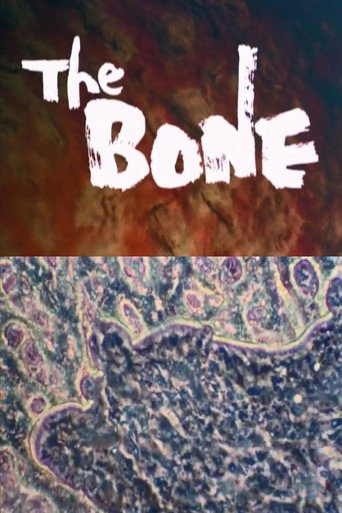
THE BONE
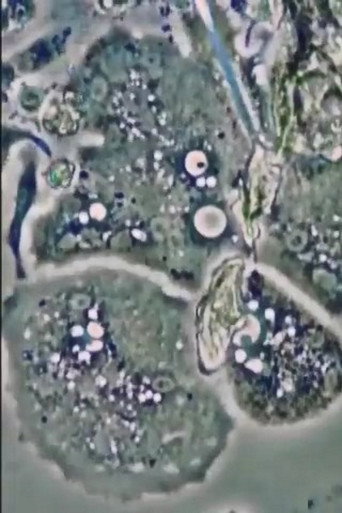
The entire human body is made of cells, and health is maintained through the continuous process of old cells making way for new cells. Bones are no exception. This film looks into how bones are made up of cells, how they are broken up and how they are reformed. What do the cells that are continuously engaged in bone formation and bone resorption do, and how is balance maintained within the body? Color 17 min. (1982) Sponsored by Teijin Pharmaceuticals Co., Ltd. And Fujisawa Pharmaceutical Co., Ltd. (Astellas Pharma Inc.) Produced by Yone Production Inc.
THE BONE II
A medical film that explores the mechanism of bones, which support the body and act as a calcium storehouse to maintain balance within the body.
Everything Visible Is Empty
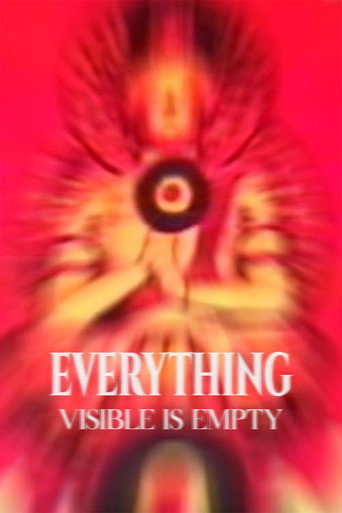
There's more to picture than meets the eye in this journey into oriental metaphysical imagery. Starting (in a very Christian manner) with the Word, the film draws an explosion of visible forms, as if a sign of the shattering of shapes in the mundane world. But time is cyclical, of course, and what was once a multitude of sensible realities must eventually return to the Word and, finally, to sheer Color. (Sound of Eye)
Saya: Perspective in Love
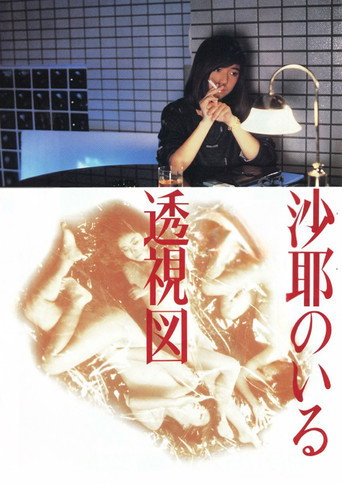
Erotic thriller about a porn photographer who has to deal with a psychopath.
The Ondekoza
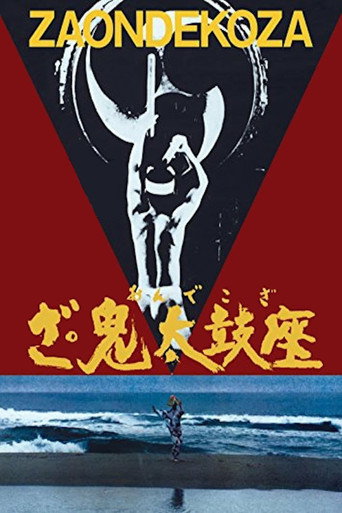
A documentary profiling a Japanese taiko drumming group based in the remote Sado Island, Japan. The film blurs the line between real-life documentary footage of the troupe's training and practice regimes, and staged performances of their varied musical acts, with sets designed by artist Tadanori Yokoo and an additional experimental electronic music score by Toshi Ichiyanagi.
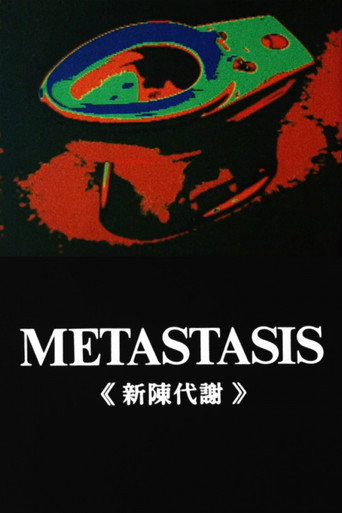
Metastasis
Writes Matsumoto, "I used the Erekutoro Karapurosesu (Electro Color Processor), which is mainly used in the field of medicine and engineering, to create moving image textures Metastasis, I was interested in layering images of a simple object and its electronically processed abstraction. The electronic abstract image is manipulated in a certain rhythm, depicting an organic process."
Gallery