Acting
No biography available.
Unfinished and lost film, which would originate the Cycle of Marginal Cinema of Teresina in Piauí, starringbyClaudete Maria and Torquato Neto,hewas shot using a Super-8 camcorder.
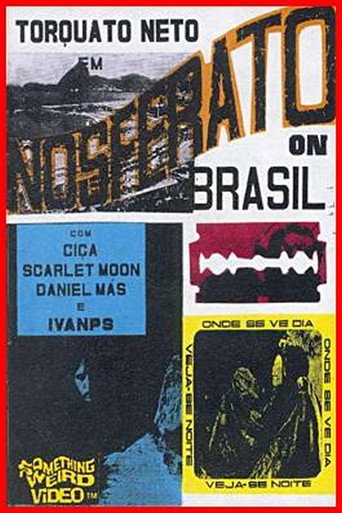
Budapest, 19th century: Nosferatu is killed by a prince. Now in colour and on holiday in Brazil, he saps several natives.
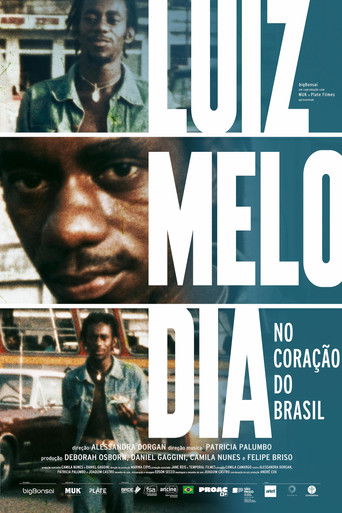
A sound and visual journey that portrays the life and work of singer and composer Luiz Melodia. The Poet of Estácio himself tells us, in the first person, his trajectory as a black boy born on the hill until his transformation into one of the greatest artists in the history of MPB. The film also features an unpublished collection made available by Jane Reis, his wife and businesswoman.
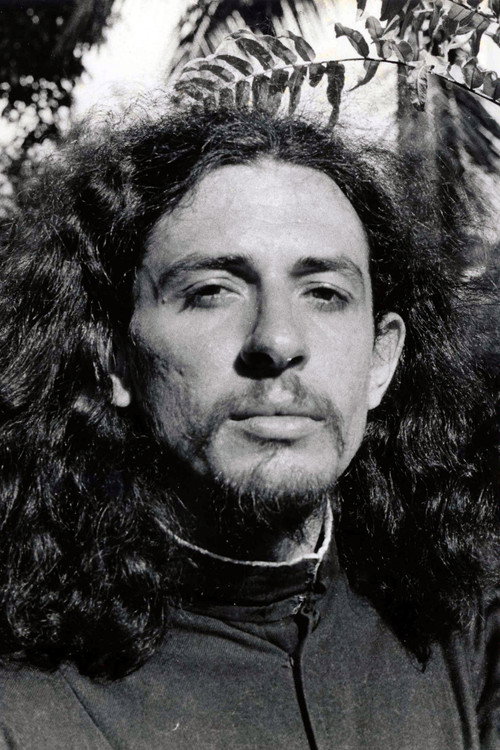
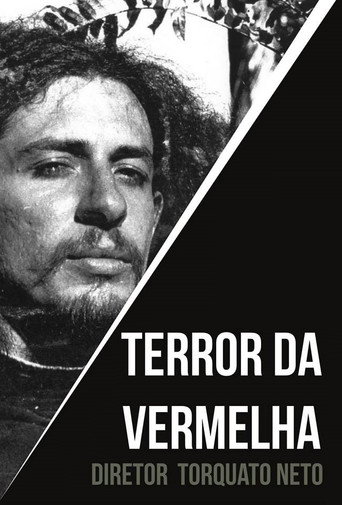
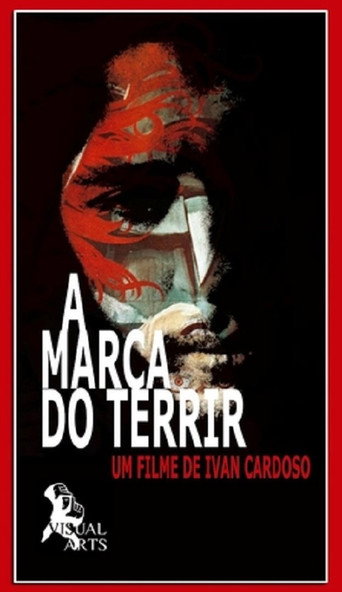
Brazilian poet Torquato Neto's only incursion on filmmaking, "Terror da Vermelha" is an avan-garte horror film shot with a Super 8 camera at Teresina, Piauí.
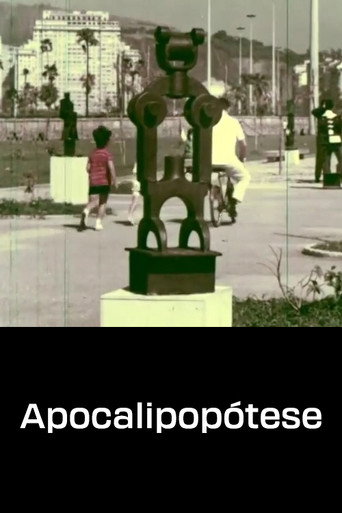
Apocalipopótese documents a public art happening organized by Rogério Duarte with Hélio Oiticica and Lygia Pape. Duarte coined the event’s title by fusing the words apotheosis, hypothesis, and apocalypse, in order to describe a series of artistic actions that distanced themselves from artistic institutions to approach the streets as the main stage. Apocalipopótese shows a search for the margins as creative methodology.
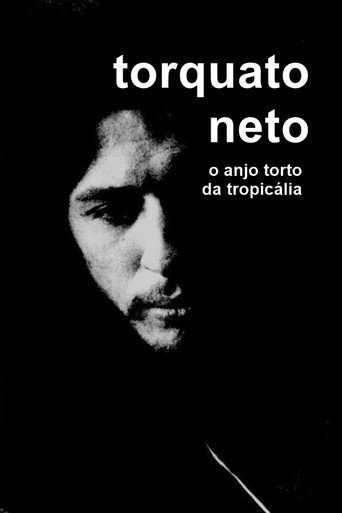
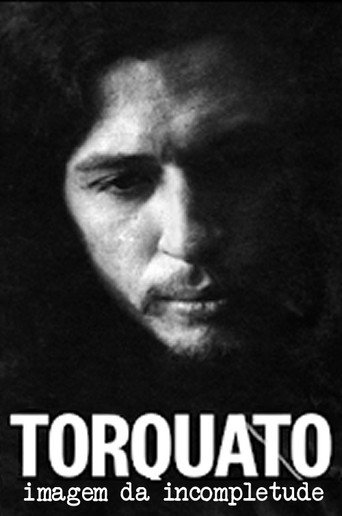
The story of Brazilian poet Torquato Neto, who lived passionately through fracturous times and worked in several fields, including music, journalism, and cinema. He was an active participant in the revolution of Tropicália and marginal art, which changed the course of Brazilian culture in the 1960s and 1970s, until he committed suicide on his 28th birthday.
On the street, two boys meet. The film moves towards homoerotic suggestions of delicacy and violence. Accompanied by the fast camera, the performances of Torquato Neto and Zé Português dialogue with the soundtrack, composed of songs sung by Luiz Melodia, such as Negro Gato. Graphic elements and posters make up the narrative.
Compilation of early Ivan Cardoso's films in Super 8, including "Nosferato no Brasil (Nosferato in Brazil)"
A documentary chronicling the life and works of Brazilian poet, songwriter, journalist and avant-garde filmmaker Torquato Neto, from his beginnings to his suicide at the age of 28.
A reflection on the works and thinking of the last years of production by Torquato. Such as the magazine "Navilouca", the film "Terror da Vermelha", the column "Geleia Geral" and the controversial Cinema Novo X Marginal, among other passages important aspects of Brazilian culture in the 60s and 70s.
In Bahia, an educated black man returns to his home fishing village to try and free people from mysticism, in particular the Candomblé religion, which he considers a factor of political and social oppression, with tragic outcome.