Tony Oursler Movies, TV Shows, and Filmography
Tony Oursler
Directing
Biography
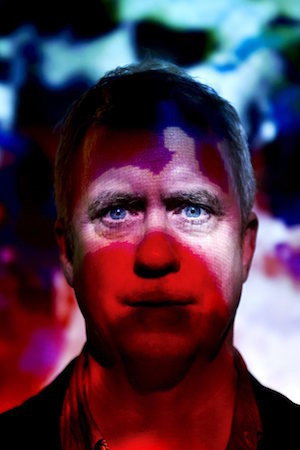
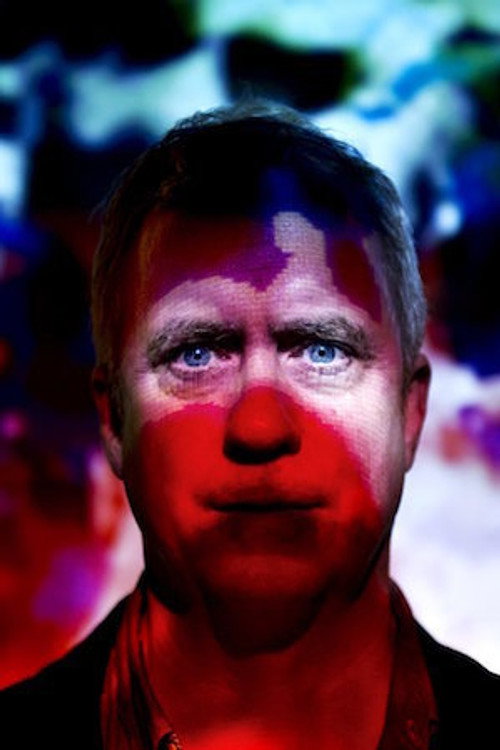
Tony Oursler’s expressionistic reveries incorporate phantasmagoric sets and rambling stream-of-diseased-consciousness narrative that serve to illustrate the depths of a psyche becoming unhinged. Oursler’s early tapes of personal investigation and social reflection earned him a cult following among New York audiences; his more recent installation work has used projected images on sculptural forms. Oursler has collaborated with a number of other artists, including Constance DeJong, Joe Gibbons, and the band Sonic Youth.
Filmography Movies
Acting
New York Influence City
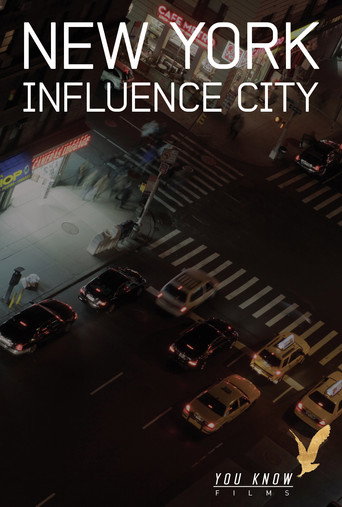
A series of reflections on New York City by key figures of its prominent art scene. The City is considered in light of the history, influence and audience of its art scene and the relationship the artists have with the city. With the participation of Ross Bleckner, Ann Craven, Peter Halley, Donald Sultan, Ryan McGinness, Jacob Hashimoto, Tony Oursler and Eric Freeman.
Garage Sale II
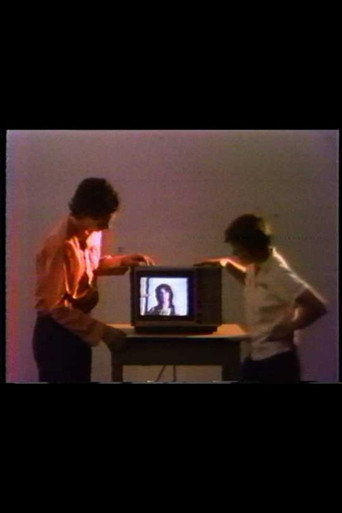
Featuring performances by artists Tony Oursler and Mike Kelley, Garage Sale II moves between a couple’s sexually dysfunctional relationship and a series of vignettes in which characters attempt to fulfil their desires through prosthetics, masturbation, manipulation and S&M.
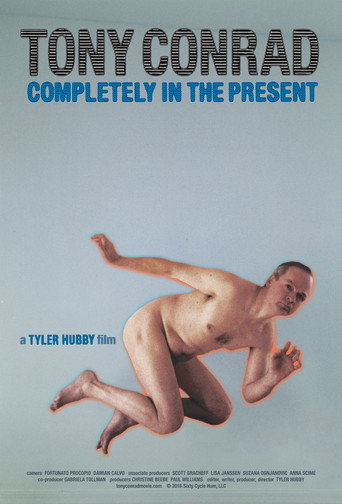
Tony Conrad: Completely in the Present
Feature documentary on the pioneering life and work of iconoclastic filmmaker/musician/composer/artist Tony Conrad.
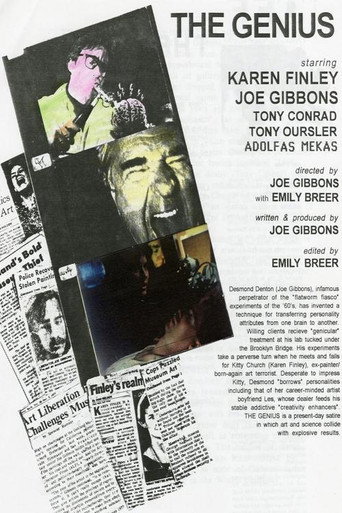
The Genius
A ramshackle underground SF satire set and shot in the self-absorbed art world of lower Manhattan, written, produced, and directed by Joe Gibbons, who also plays one of the lead parts. Gibbons plays a mad scientist who's developed a technique for transferring personalities from one person's body to another; he becomes obsessed with an outlaw artist (played by performance artist Karen Finley) who destroys paintings in various galleries as a form of anarchist, anticapitalist protest.
Heretic
Heretic is composed from the outtakes of Joe Gibbons's no-budget feature The Genius, set to John Zorn's Naked City "soundtrack" album Heretic, and recomposed as a satire on Psychotherapy. Features original narration performed by Frank Snider. A study of editing and its relation to the mechanics of the brain, HERETIC initially poses as a preview to the Gibbons film which it then deconstructs and reforms into a satire on psychotherapy.
Production
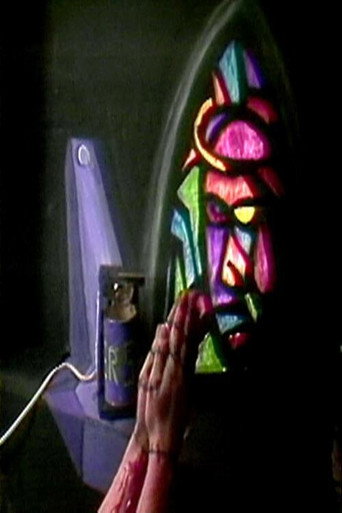
Sucker
Blood and transcendence are themes that permeate Sucker, with its incarnations of religious iconography and sexuality. Life and death, good and evil are evoked as the incantatory voiceovers and sordid images make reference to communion, transfusions, bloodbaths, bloodlust, vampires and the specter of a virus loose in contemporary culture. Steeped in paranoia and dread, this work describes a subconscious search that is, in Oursler's words, "based on a movie, based on a book, based on a poem, based on a myth, which is based on the quest for human immortality."
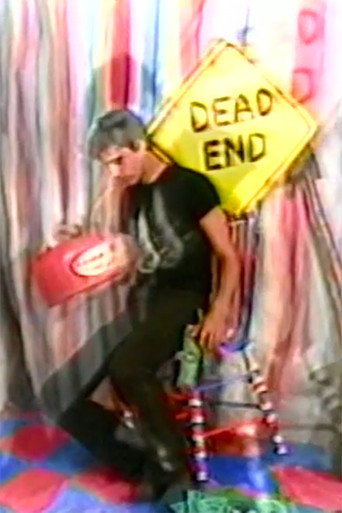
Son of Oil
Son of Oil is a cautionary tale about the decline of Western civilization, as only Oursler could envision it. Oil is the central metaphor around which he constructs a burlesque critique of the cults of money and power that fuel economic and sexual systems, social pathology and cultural mythologies. Allusions to terrorists, the Son of Sam killer, the oil crisis and John Hinckley locate the dense narrative text in the media-saturated vertigo of early-1980s America. The grand dimensions of this subversive drama, in which Oursler employs actors in addition to his usual puppet-like props and objects, are played out in a deliberately claustrophobic, fantastically rendered theatrical space.
Exquisite Moving Corpse
The Surrealist, "Exquisite Corpse" was a French Café parlor game. "Exquisite Moving Corpse" is more of an artist chain letter. 60 artists participated over a two-year period, beginning in March 2020. Each invited artist made a one minute video in response to the last frame of the previous minute.
9/11
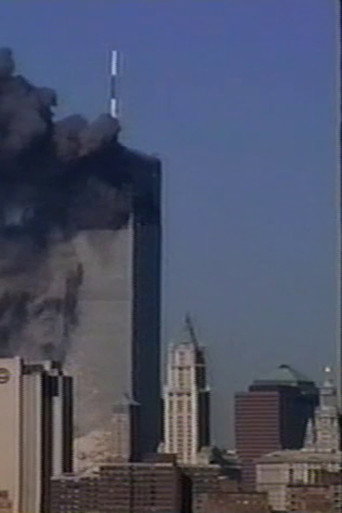
9/11 is a first-hand, harrowing document of the events of September 11th and their immediate aftermath, as observed by the artist. As the tragedy unfolds, Tony Oursler records from his apartment, just blocks from the former World Trade Center, and on the ground in Lower Manhattan. Oursler began recording after the first building was struck, and continued to record as the second tower was hit. His camera also captures the responses of New Yorkers and tourists at the site in the days that follow. 9/11 allows the viewer a highly personal and immediate perspective on the events as they occur.
On Our Own
As recent state cut-backs force many mental patients out into the real world, Tony Oursler and Joe Gibbons team up to address psychiatric deinstitutionalization from a comic angle. After years of being cared for, Tony, Joe and their dog Woody leave the cuckoo’s nest and reluctantly face the prospect of finding jobs and cooking their own meals. Their darkly comic adventures include a comatose Tony tuning in to daytime TV, and Joe fantasizing about death while strolling in the park.
Goo
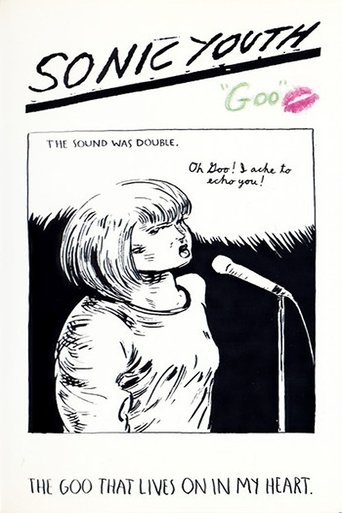
In 1991, a long-form music video version of Goo was released on VHS and LaserDisc. A music video for each song from the album was included; the track listing was identical to that of the original album.
Goo
In 1991, a long-form music video version of Goo was released on VHS and LaserDisc. A music video for each song from the album was included; the track listing was identical to that of the original album.
The Weak Bullet
Told with raw eccentricity and grotesque humor, The Weak Bullet is an ironic tale in which the trajectory of the eponymous bullet propels a bizarre narrative of social rupture and sexual paranoia.
Making the Nature Scene
Long before Kim Gordon was a cooler-than-thou multimedia artist in Body/Head, she was a cooler-than-thou multimedia artist in Sonic Youth. In the ’80s, Gordon and her bandmates were fixtures of New York’s downtown art and music scene; one regular haunt of theirs was legendary nightclub Danceteria, which served as the setting for a short film Gordon made sometime around 1985. Now, as Dangerous Minds points out, said video has surfaced online thanks to filmmaker/designer Chris Habib (a.k.a. Visitor Design). “Excellent video I found in my Sonic Youth archive,” Habib writes on the clip’s Vimeo page. “I digitized it for Kim during her [early 2000s] CLUB IN THE SHADOWS exhibition at Kenny Schachter’s old space in the West Village.”
Imponderable
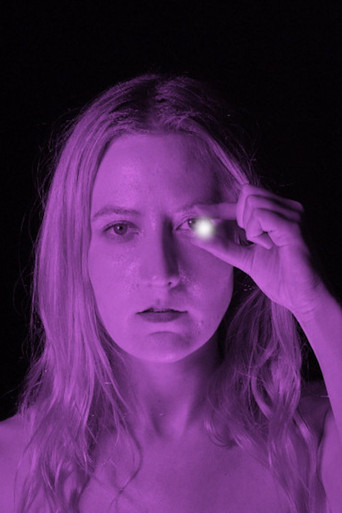
Presented in a “5-D” cinematic environment utilizing a contemporary form of Pepper’s ghost—a 19th-century phantasmagoric device—and a range of sensory effects (scents, vibrations, etc.), Imponderable is an immersive feature-length film inspired by Oursler’s own archive of ephemera relating to stage magic, spirit photography, pseudoscience, telekinesis, and other manifestations of the paranormal.
Gallery