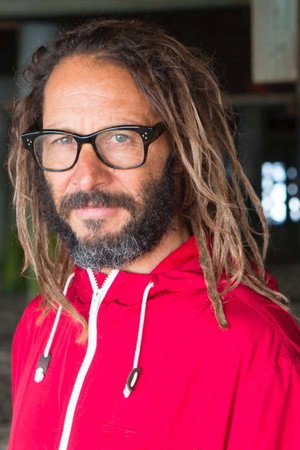
Tony Alva Movies, TV Shows, and Filmography
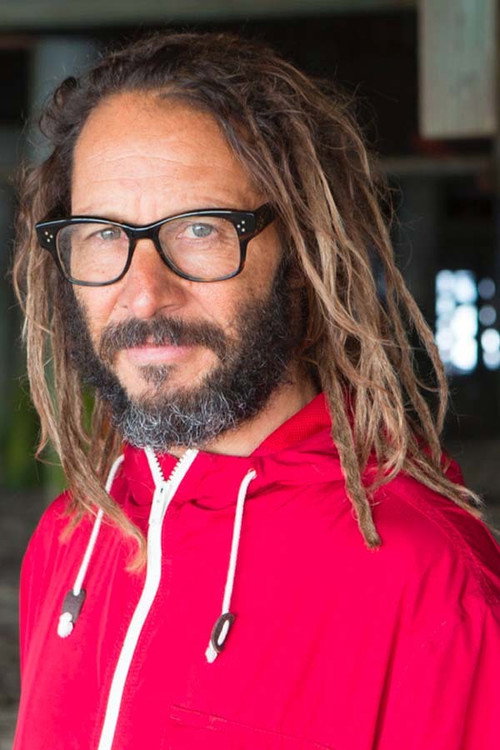
Tony Alva
Acting
Biography
No biography available.
Filmography Movies
Acting
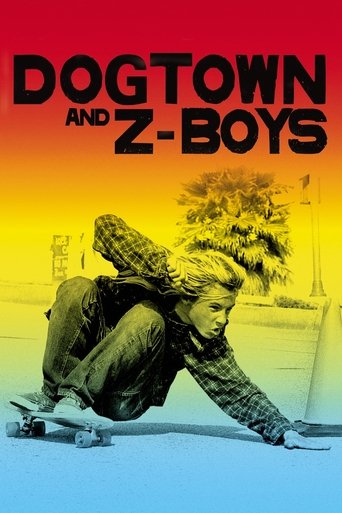
Dogtown and Z-Boys
This award-winning, thrilling story is about a group of discarded kids who revolutionized skateboarding and shaped the attitude and culture of modern day extreme sports. Featuring old skool skating footage, exclusive interviews and a blistering rock soundtrack, DOGTOWN AND Z-BOYS captures the rise of the Zephyr skateboarding team from Venice's Dogtown, a tough "locals only" beach with a legacy of outlaw surfing.
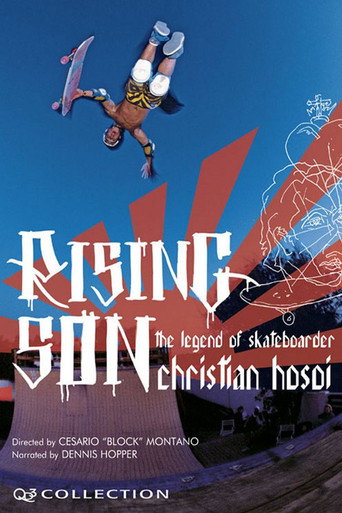
Rising Son: The Legend of Skateboarder Christian Hosoi
For stylish airs, no one came close to Christian Hosoi. At his peak in the mid-80s he was the "rock star" of skating, pulling down money that rivaled Tony Hawk's paycheck. Innovating crazy vertical maneuvers like the "Christ Air," Christian knew how to stoke an audience. Then it all came crashing down when Hosoi plowed into self-destruction, getting hooked on crystal meth and hitting rock bottom with a prison sentence for drug smuggling. Completely annihilated, Christian turned to the Bible for answers and found new strength. With lots of action footage and a slammin' soundtrack, this gritty, inspiring film goes deep inside the world of skateboarding as seen through the incredible highs and lows of this legend's life, revealed through never-before-released home movies and interviews with Christian's family and friends including top skaters Jason Lee, Tony Hawk, Lance Mountain, Jay Adams, Tony Alva, Mark Ragowski and many more!
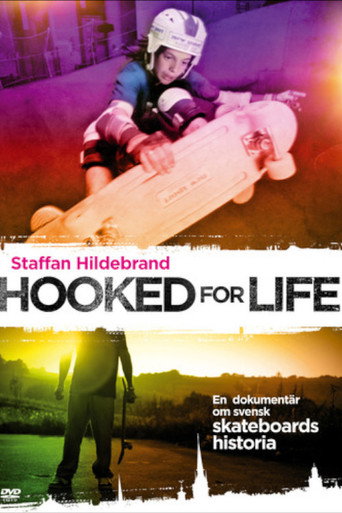
Hooked for Life
In the summer of 1978 the Swedish film director Staffan Hildebrand encountered a group of young people with skateboards in Stockholm city, it resulted in a documentary about this new subculture "skateboard". The documentary, "14 års landet" (The land of 14) was presented in Swedish national TV (SVT) in the christmas of 1978. Now 30 years later Staffan and his crew have followed up the skateboarders from "14 års landet" what happened to them, what has happened with the skateboard industry in Sweden since then and why these people are "hooked for life".
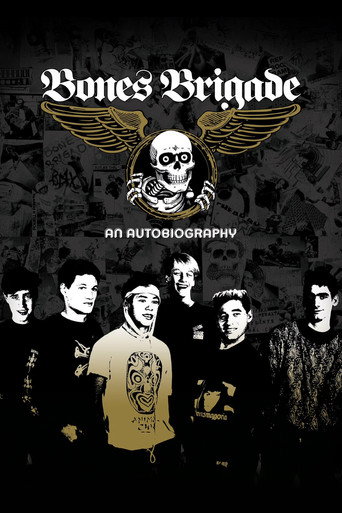
Bones Brigade: An Autobiography
When six teenage boys came together as a skateboarding team in the 1980s, they reinvented not only their chosen sport but themselves too – as they evolved from insecure outsiders to the most influential athletes in the field.
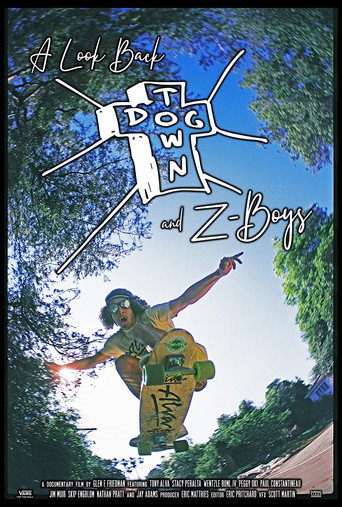
A Look Back: Dogtown & Z-Boys
Glen E. Friedman's documentary short updating the lives of the legendary Z-Boys skateboard crew 20 years after the release of their award winning and groundbreaking film.
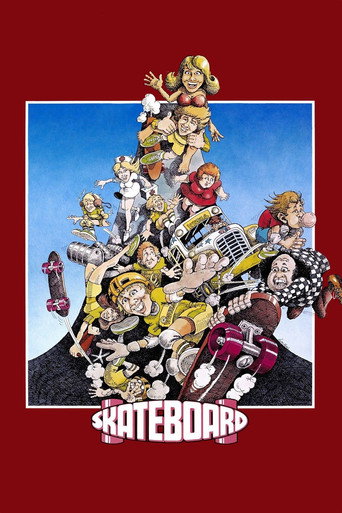
Skateboard
A Hollywood agent finds himself in debt to a powerful bookie. To make a fast buck, he creates a team of exceptionally talented skateboarders and enters them in a downhill race. If they win, they will get $20,000
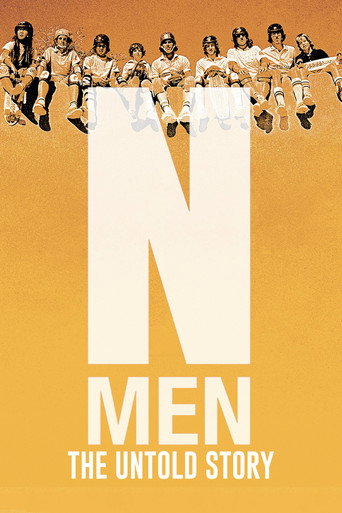
N-Men: The Untold Story
In 1975, in Northern California, a diverse crew of skateboarders met at a paved embankment under the freeway. They had no idea their underground movement would have a global impact on the world of skateboarding. Their story has never been told. Until now. In 2011, the N-Men’s founder, John O’Shei, finally gave permission to filmmaker James Sweigert to tell their story. Sweigert spent 11 years digging through attics, basements and garages unearthing 86 minutes of never before seen footage and photos of the undocumented Northern California skate scene.
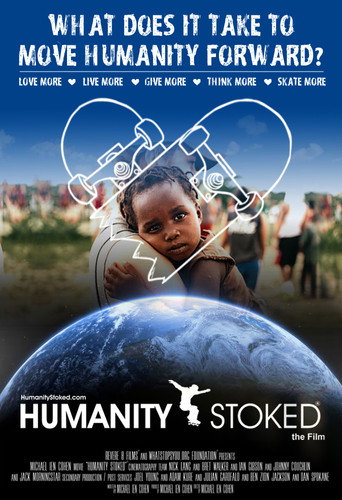
Humanity Stoked
A documentary about the beauty in overcoming fear and other challenges facing humanity as seen by icons of pro skating, science, art, music, activism, and education, all of whom share experiences and perspectives shaped by their love of skateboarding. The conversations focus on understanding fear, depression, addiction, education, activism, philanthropy, racism, sexism, homophobia, and the environment. The film’s purpose is to inspire deeper thinking, more empathic perspectives, and open conversations about human issues.
Sk8face
Tells the history of skateboard art and its evolution through the decades, as iconic and rebellious skateboarders and artists give firsthand experiences and stories about their art that challenged the establishment.
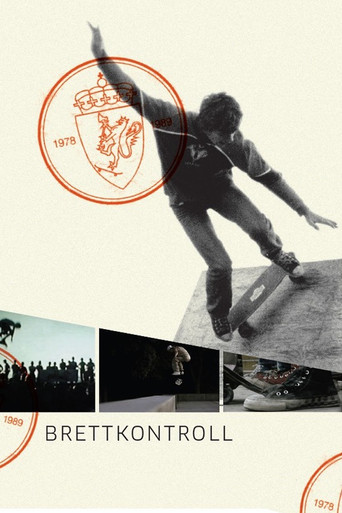
Board Control
From 1978 to 1989 skateboarding was illegal in Norway, as the only country in the world it was not legal to sell, buy or use skateboard in this period. The film follows two generations of skaters - from the underground culture in the late 70s, with skating on secret locations in the forest around Oslo, to the commercial explosion when skating was legalized in 1989. The film says something about the Norwegian governments overprotective policy, but it also shows the paradox of how the prohibition led to a unique and creative environment.
Gallery