Tomoo Haraguchi Movies, TV Shows, and Filmography
Tomoo Haraguchi
Costume & Make-Up
Biography
Tomoo Haraguchi is a Japanese director, writer, and special effects modeler, recognized for his work in the tokusatsu (special effects) genre. He has been involved in various capacities, including directing, writing, and special effects modeling. Haraguchi's notable works include Sakuya: The Slayer of Demons (2000) and Death Kappa (2010). His contributions have significantly influenced Japanese special effects cinema, particularly in the kaiju (giant monster) genre.
Filmography Movies
Acting
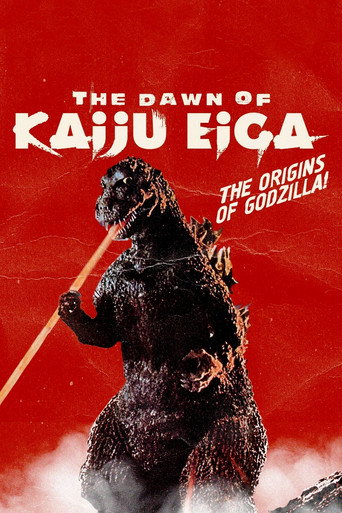
The Dawn of Kaiju Eiga
Japan, 1954. A legend emerges from the ashes of Hiroshima and Nagasaki, devastated by atomic bombs in 1945. The creature's name is Godzilla. The film that tells its story is the first of kaiju eiga, the giant monster movies.
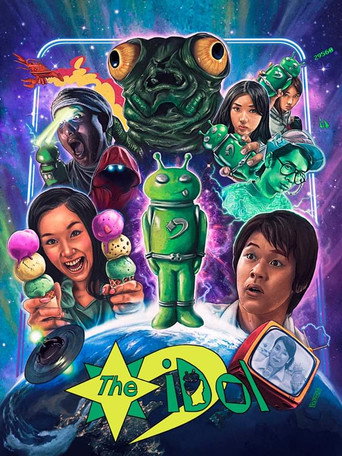
The iDol
Ken is a mild-mannered man in his mid-twenties who like many his age has interests that stopped developing during adolescence. On a visit to a local toy collectors shop he acquires a rare alien action figure. Unexpectedly, Ken's world is turned inside out as the somewhat silly looking toy alters his life by benevolently giving him everything he has ever dreamed of, and then callously taking it all back...
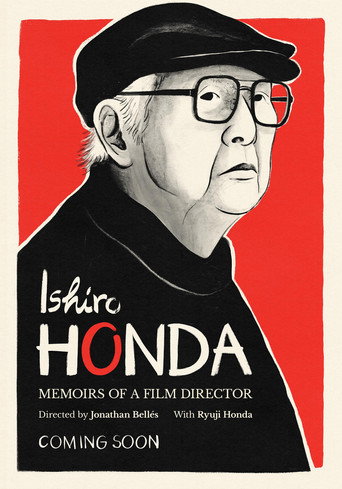
Ishiro Honda: Memoirs of a Film Director
A documentary film that delves into the life and cinematic career of one of Japan's most prolific directors: Ishiro Honda. The film will spotlight Honda's filmography from both a historical and personal perspective, exploring his contributions to the Japanese film industry and his firsthand experiences of war, from which he barely survived. It will also delve into his profound feelings regarding the atomic bomb, a subject that became an obsession for him and was frequently reflected in his films. The documentary will analyze Honda's body of work through interviews with individuals who had the privilege of collaborating with him, as well as experts on Honda's films from both Japan and the Western world. Furthermore, the film will uncover Honda's friendship and professional relationship with director Akira Kurosawa.
Production
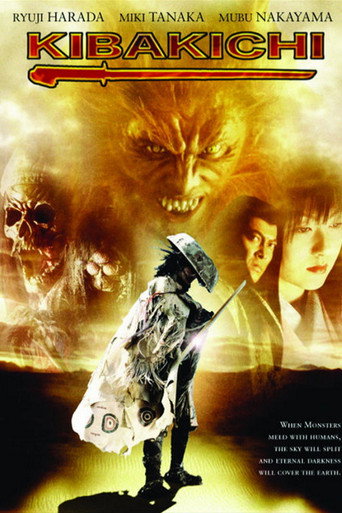
Kibakichi
A werewolf samurai walks the countryside, finding himself in the middle of a village of monsters who feed on human flesh.
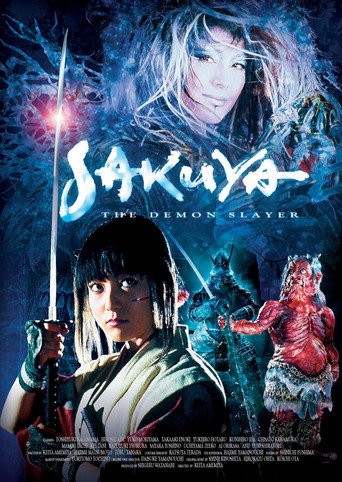
Sakuya: The Slayer of Demons
The eruption of Mt. Fuji in 1707 released hordes of demons from deep inside the earth. Sakuya, the young daughter of a samurai killed fighting these demons, accepts a mission to travel to Mt. Fuji and defeat the evil spirits. Accompanying her on her journey are two veteran warriors who served her father, and Tarō, a young kappa, or river spirit, whom she has adopted as her little brother. Along the way, the two warriors have doubts about Tarō’s loyalties, and the young kappa himself must decide if he will stand with his own species or with the humans who have cared for him.
Sakuya: The Slayer of Demons
The eruption of Mt. Fuji in 1707 released hordes of demons from deep inside the earth. Sakuya, the young daughter of a samurai killed fighting these demons, accepts a mission to travel to Mt. Fuji and defeat the evil spirits. Accompanying her on her journey are two veteran warriors who served her father, and Tarō, a young kappa, or river spirit, whom she has adopted as her little brother. Along the way, the two warriors have doubts about Tarō’s loyalties, and the young kappa himself must decide if he will stand with his own species or with the humans who have cared for him.
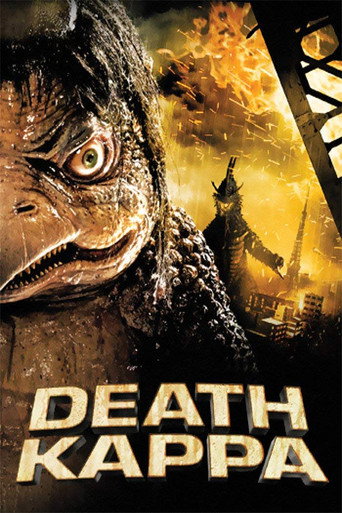
Death Kappa
When military experiments go haywire and trigger an atomic bomb, the consequences are of epic proportions. A monster arrives in the midst of the nuclear fallout, and Japan's defenses are helpless against it. Mankind's only savior is an irradiated water goblin from Japanese folklore called the "Death Kappa." The two rival monsters must go head-to-head in the ultimate battle between good and evil!
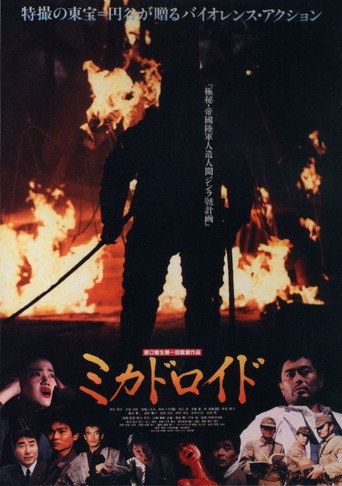
Mikadroid: Robokill Beneath Disco Club Layla
During World War II, the Japanese military established a secret underground laboratory in Tokyo. Three Olympic-level athletes were selected to undergo a process that would turn them into Jinra-go, superhuman armored soldiers. By March 1945, one of the soldiers had been completely transformed into the half man/half machine ultimate soldier called Mikadroid. But American B-29s firebomb the city and, while the two super soldiers manage to escape, Mikadroid and the lab are apparently destroyed. 45 years pass, Tokyo is rebuilt, and old secrets are forgotten. The site is now home to a complex that includes the Discoclub Layla. The disco’s patrons dance late into the night, unaware that a faulty basement generator has reactivated Mikadroid and the cyborg now prowls the basement levels, killing anyone in its path...

Perfect Blue: Yume Nara Samete
Perfect Blue: Yume Nara Samete (パーfectブルー 夢なら醒めて, Pāfekuto Burū: Yume Nara Samete) is a 2002 Japanese psychological thriller film directed by Toshiki Satō and adapted from the novel of the same name by Yoshikazu Takeuchi. The story centers on Ai, a teen pop idol transitioning to a recording career, whose life unravels amid fixation from a obsessive convenience store clerk, leading to themes of distorted self-perception, narcissistic delusions, and violent events.
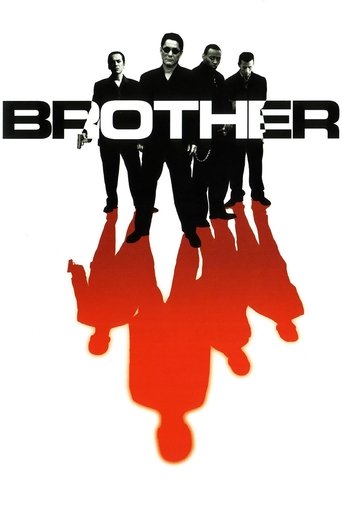
Brother
A Japanese Yakuza gangster's deadly existence in his homeland gets him exiled to Los Angeles, where he is taken in by his little brother and his brother's gang.
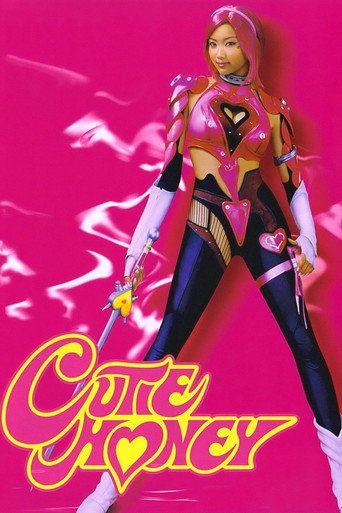
Cutie Honey
When Honey's uncle gets kidnapped by the evil criminal gang known as "Panther Claw," she must use her magical powers of transformation to save him. Meanwhile the same crime group has been responsible for a number of other crime sprees across Tokyo. In the process, Honey teams up with the seemingly cold police woman Natsuko Aki and hot shot journalist Seiji Hayami as well as battle the four "claws" of the Panther Claw gang to save her uncle and the rest of the city.
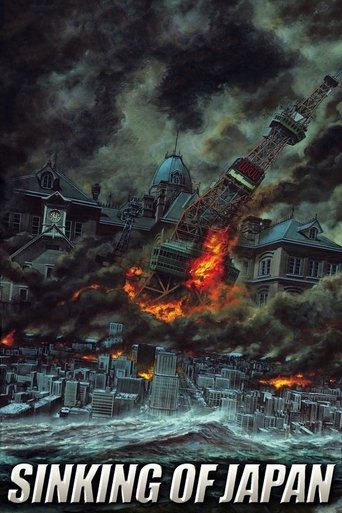
Japan Sinks
In the aftermath of a major earthquake, scientists predict that Japan will sink into the sea. As further disasters follow, politicians plead with other countries to take refugees, while scientists struggle to save Japan itself.
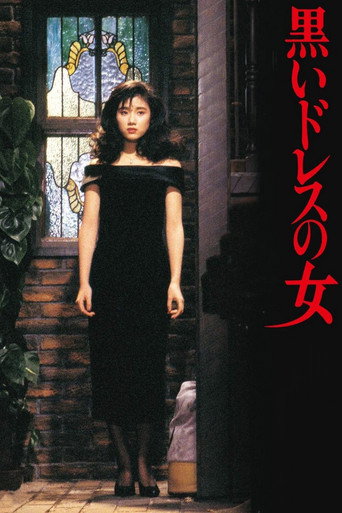
The Lady in a Black Dress
A woman named Fujiki Asuka arrives as an acquaintance of a sister in law for a day under the bar master Tamura who had guided Yakuza's escaping as a shoji. Tamura who lives on the second floor of the store for the time being the son who wants to work here. A few days later, Tamura finds a handgun from Yuko's baggage and holds a suspicion.