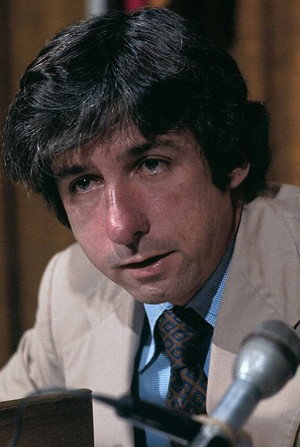
Tom Hayden Movies, TV Shows, and Filmography
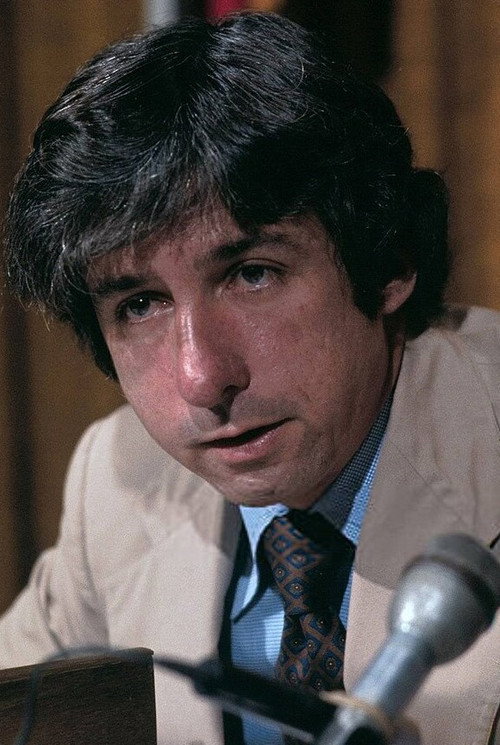
Tom Hayden
Acting
Biography
Thomas Emmet Hayden (December 11, 1939 – October 23, 2016) was an American social and political activist, author, and politician. Hayden was best known for his role as an anti-war, civil rights, and intellectual activist in the 1960s, becoming an influential figure in the rise of the New Left. As a leader of the leftist organization Students for a Democratic Society, he authored the Port Huron Statement, helped lead protests at the 1968 Democratic National Convention, and stood trial in the resulting "Chicago Seven" case. In later years, he ran for political office numerous times, winning seats in both the California State Assembly and California State Senate. At the end of his life, he was the director of the Peace and Justice Resource Center in Los Angeles County. He was married to Jane Fonda for 17 years and is the father of actor Troy Garity. Description above from the Wikipedia article Tom Hayden, licensed under CC-BY-SA, full list of contributors on Wikipedia.
Filmography Movies
Acting
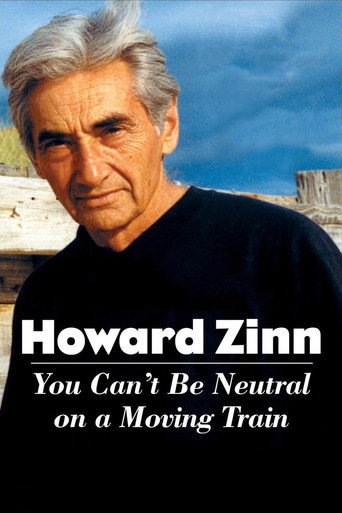
Howard Zinn: You Can't Be Neutral on a Moving Train
You Can't Be Neutral documents the life and times of the historian, activist and author of the best selling classic "A People's History of the United States". Featuring rare archival materials, interviews with Howard Zinn as well as colleagues and friends including Noam Chomsky, Marian Wright Edelman, Daniel Ellsberg, Tom Hayden and Alice Walker.
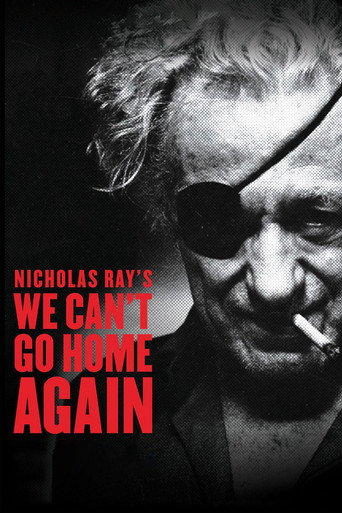
We Can't Go Home Again
Nicholas Ray plays himself, acting as mentor, friend, and artistic inspiration to his students at Binghamton. Preserved by the Academy Film Archive in partnership with The Film Foundation.
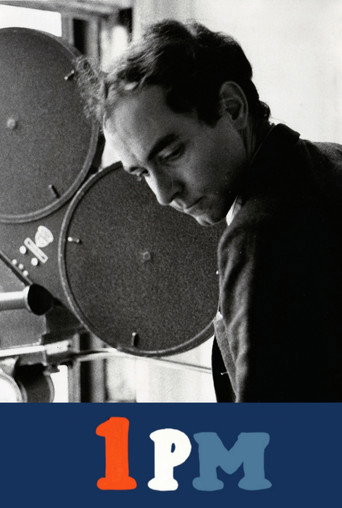
1 P.M.
Lighter and livelier than the films Jean-Luc Godard had made in France, his U.S. collaboration with Direct Cinema documentarian D. A. Pennebaker was meant to be One A.M., as in “one American movie”; but Godard quit the project and the U.S., where to his dismay he discovered that revolution wasn’t imminent, and Pennebaker edited Godard’s material, to which he and Richard Leacock even added a bit more, releasing the result as One P.M., as in “one parallel movie.” It’s a stunning mixture of cinéma-vérité, political theater, and interviews of key sixties figures.
The Beatles Revolution
A primetime special celebrating The Beatles and exploring the lasting impact on pop music of Beatles innovations like stadium concerts, music videos, and the idea of rock album as art form. The filmmakers were provided rare, previously unseen footage from the Apple archives, and afforded complete access to their recorded music and film library.
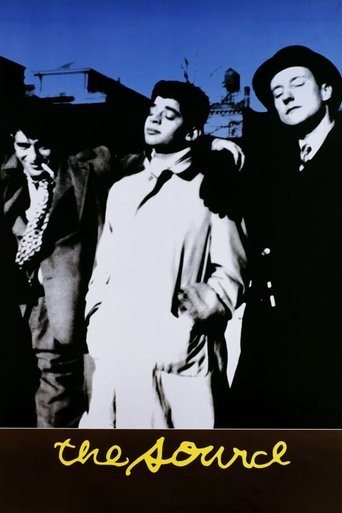
The Source
Traces the Beats from Allen Ginsberg and Jack Kerouac's meeting in 1944 at Columbia University to the deaths of Ginsberg and William S. Burroughs in 1997. Three actors provide dramatic interpretations of the work of these three writers, and the film chronicles their friendships, their arrival into American consciousness, their travels, frequent parodies, Kerouac's death, and Ginsberg's politicization. Their movement connects with bebop, John Cage's music, abstract expressionism, and living theater. In recent interviews, Ginsberg, Burroughs, Kesey, Ferlinghetti, Mailer, Jerry Garcia, Tom Hayden, Gary Snyder, Ed Sanders, and others measure the Beats' meaning and impact.
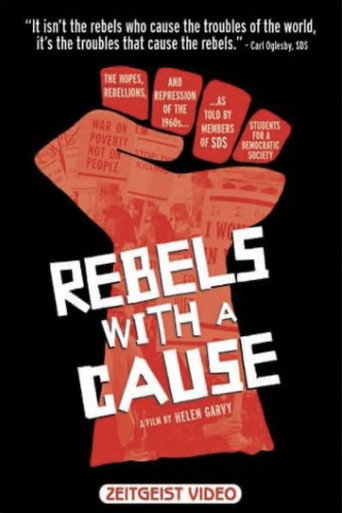
Rebels with a Cause
The story of the hopes, rebellions, and repression of the 1960s, told by those who lived it - members of Students for a Democratic Society (SDS).
The Draft
Historians, veterans, politicians, and anti-war leaders discuss the history of the military draft in the United States through the Vietnam War, and examine the consequences of its replacement with an all-volunteer professional force currently comprising less than one-half of one percent of the population.
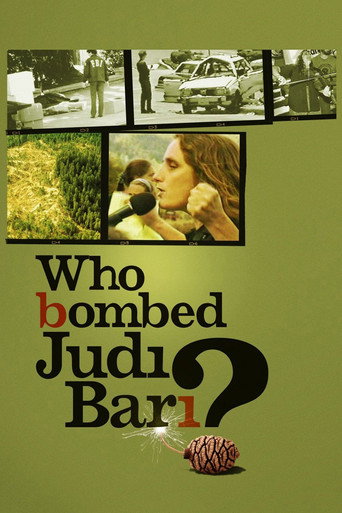
Who Bombed Judi Bari?
Judi Bari and Darryl Cherney were falsely arrested for car-bombing themselves on May 24, 1990 while on an Earth First! musical organizing tour for Redwood Summer. They sued the FBI for violations of the First Amendment, claiming the FBI knew they were innocent but arrested them to try to silence them. Having survived the bomb but now stricken by cancer, Judi Bari, a leader of the movement to save California's old growth redwoods, gives her on-camera, deathbed testimony about the attempt on her life and her colorful organizing history with the radical environmental movement Earth First.
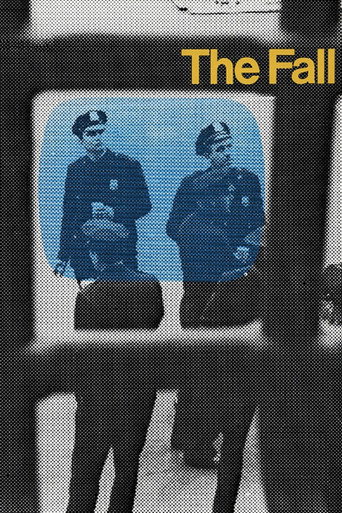
The Fall
"The Fall" depicts certain scenes in New York City between October 1967 and March 1968, shot by the independent filmmaker, Peter Whitehead. It is a very personal documentary, and Whitehead appears in a large number of scenes, and we hear his lengthy ruminations on the state of the United States and the war in Vietnam.
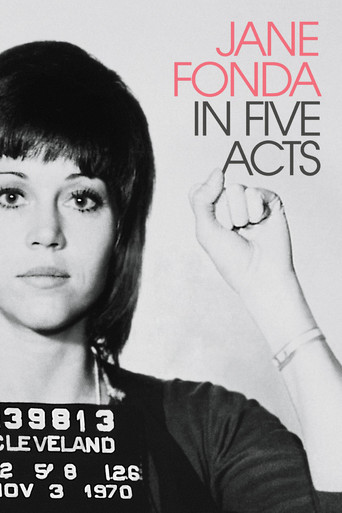
Jane Fonda in Five Acts
Girl next door, activist, so-called traitor, fitness tycoon, Oscar winner: Jane Fonda has lived a life of controversy, tragedy and transformation – and she’s done it all in the public eye. An intimate look at one woman’s singular journey.
Gallery