Tino Rossi Movies, TV Shows, and Filmography
Tino Rossi
Acting
Biography
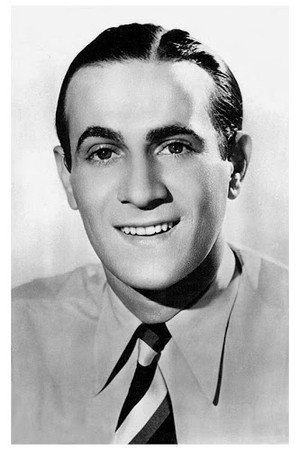
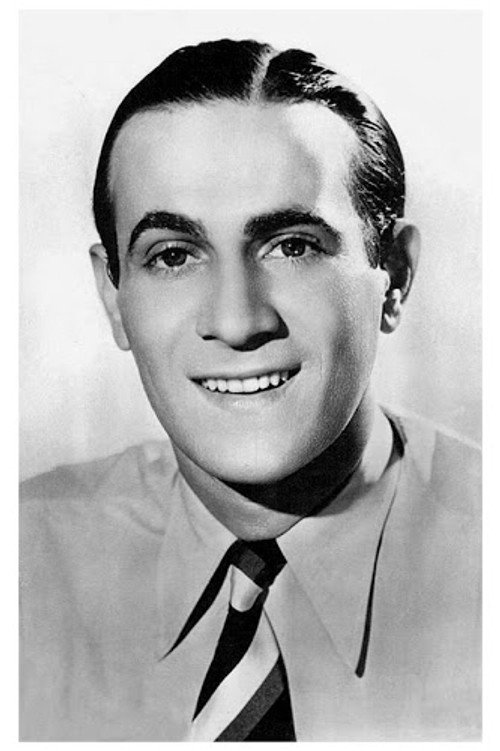
Constantin "Tino" Rossi (29 April 1907 – 26 September 1983) was a French singer and film actor of Corsican origin. Born in Ajaccio, Corsica, Rossi was gifted with a voice well suited for opera. He became a tenor in the French cabaret style. Later, he appeared in various movies. During his career it is reported he recorded over 2000 songs and he appeared in more than 25 films, the most notable of which was the 1954 production, Si Versailles m'était conté... directed by Sacha Guitry. His romantic ballads had especially women swooning and his art songs by Jules Massenet (1842–1912), Reynaldo Hahn (1875–1947), and other composers, sold out theaters wherever he performed. Among his most famous hits, Petit Papa Noel sold over 30 million copies worldwide. Over the course of his 50-year singing career, Tino Rossi recorded over 2000 songs and sold over 200 million albums making him one of the best selling (and mostly forgotten) artists of all time. As a young man, Rossi played guitar and sang in many places of his hometown of Ajaccio, but later he went to perform in Marseille and at resort clubs along the French Riviera. In the early 1930s he went to Paris and within a few years achieved enormous success, joining a Columbia Records roster that included the biggest stars of that time such as Lucienne Boyer, Damia, Pills et Tabet, Mireille, and Jean Sablon. Rossi's success was greatly aided by songwriter Vincent Scotto (1876–1952), who wrote his first hits and collaborated with him for many years, composing and arranging many of Rossi's songs. Prior to World War II, Rossi was a major box office attraction in the French-speaking world, and expanded his audience in 1938 to the U.S. and Canada during a first visit there. Rossi began his film career with a role in Les Nuits Moscovites (1934); his first real success came with Marinella (1936). During the Occupation of France by Nazi Germany Rossi's film career reached its peak, notably with Fièvres (1942), Le Soleil a toujours raison (1943), Mon amour est près de toi (1943) and L'Île d'amour (1944). Like many celebrities, Tino Rossi was arrested on 7 October 1944 by several police officers in search of information on his close Corsican friend, Etienne Leandri, suspected of active collaborationism. Following three months' detention in the prison of Fresnes, near Paris, during which he stubbornly refused the assistance of a lawyer, he was freed from further detention by a judge, who deemed the charge leveled against him void of substance. Tino Rossi who, in October 1943, had loaned his personal car to a resistance network to transport weapons and enable several escapes (including that of a general), accepted—an extremely rare action at the time—exceptional official apologies. In 1946 he recorded his song Petit Papa Noël for a movie. The song remained classic for the family and sold several million copies after being released on CD in 1992. He is the recipient of the prestigious musical award Grand Prix du Disque. Rossi died of pancreatic cancer in 1983 in Neuilly-sur-Seine, France. His body was transported to Ajaccio for burial in the family grave. His wife died in 2003 aged 79. ... Source: Article "Tino Rossi" from Wikipedia in English, licensed under CC-BY-SA 3.0.
Filmography Movies
Acting
The Pretty Miller Girl
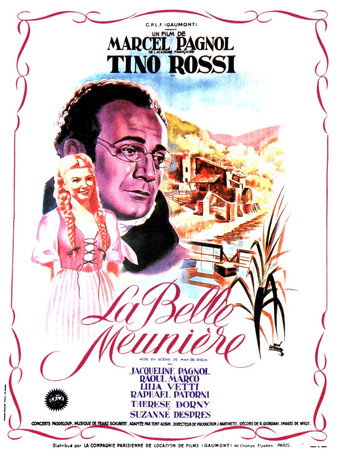
Franz Schubert retired from Vienna in country for musical writing. He draws his inspiration from a romance with the watermiller's daughter. An operetta in the fifties Vienna style. This is the only movie from Marcel Pagnol in color and the only movie in rouxcolor, a French experimental process derivated from the agfacolor German process.
Le Chant de l'exilé
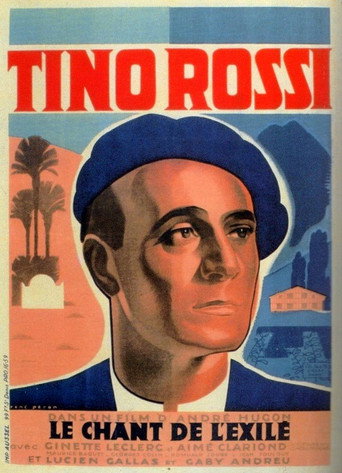
In the French Basque Country, Ramon, the son of a farmer and fruit and vegetable merchant with a beautiful voice, has the good life. He is engaged to his charming cousin Maria. But his daily life is called into question when, during a fight, he believes he has killed a bad boy. He flees to Algeria where, with a friend, he joins the Saharan Pioneers.
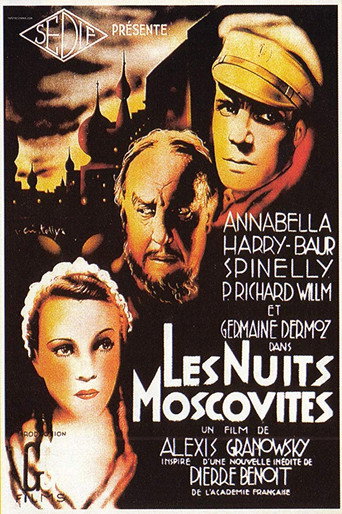
Moscow Nights
During the First World War, the Russian officer Captain Ivan Ignatoff falls in love with his nurse, Natasha Kovrin. But she is subject to an upcoming marriage of family convenience to Brioukow, a wealthy industrialist of peasant stock. Brioukow is unjustifiably jealous, since Natasha has not betrayed him. He forces Ignatoff into his debt as a means of humiliating him. When Ignatoff's new friend, Madame Sabline, offers to pay his debt, preventing his ruin, Ignatoff comes quickly to realize that Madame Sabline has an ulterior motive, one that could prove dangerous to more lives than just Ignatoff's.
L'affaire Coquelet
There are collectors and collectors. As far as he is concerned, Monsieur Coquelet has brought together a collection of historical... garters! So imagine his reaction when he realizes his most invaluable piece has been stolen... Municipal police and gendarmerie are alerted. The culprit is caught at long last but he is not... among the usual suspects!
Marlène
Returning from South America, a singer is hired by an old pal who runs a detective agency to use a perch as a night club performer to be an investigator.The amateur sleuth then falls for a girl whose brother is a jewel thief.
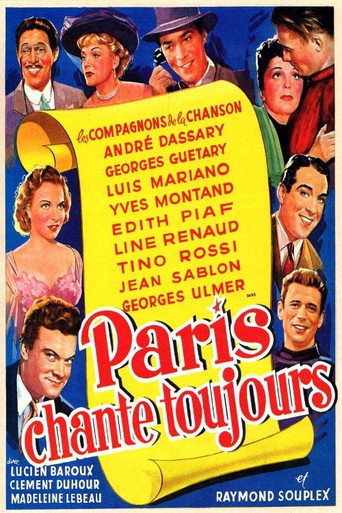
Paris Still Sings!
A famous comedian decrees that his fortune will go to whoever collects as many pop star autographs as quickly as possible. When he dies, two cousins embark on the race for signatures.
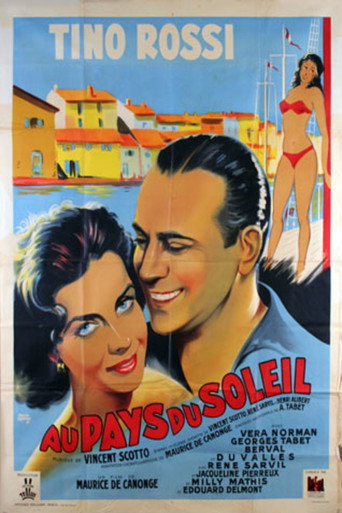
In the Land of the Sun
A band of Marseilles, lazy and happy to live, are involved in trafficking; Titin, put in prison for a while, is finally released and can marry Miette.
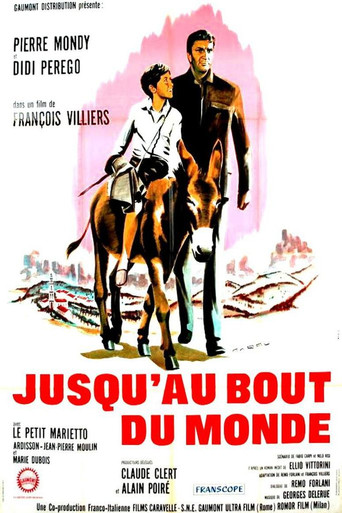
Till the End of the World
This brave, lonely man who arrives in Corsica, in a poor village, has no idea that he will have to take in this 9-year-old child whose mother has just died and of whom he is undoubtedly the father. His only hope is to find a place for the child, a place where he can get rid of his mother, a place where the child can stay, grow up, eat his fill and become a man. In this long race on foot through the mountains or by hitchhiking, they successively reject all the solutions that are offered, for the taste of freedom, which is more deeply rooted in them than that of security. This common feeling gradually brings them closer together, and after many incidents, they decide to face life and its uncertain future together.
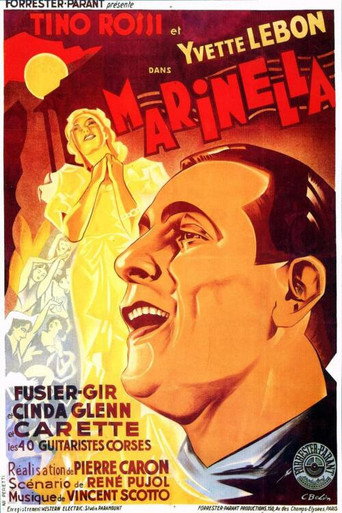
Marinella
Tino is a painter and occasionally a singer. When he has an opportunity to replace an absent singer, he becomes a sucess as a masqued singer, "Le chanteur masqué". Lisa is a typist who becomes a successful singer, also as a masqued singer, "La chanteuse masquée". Tino the painter falls in love for Lisa the typist, not knowing about her "masqued" activities. On the stage they are rivals.
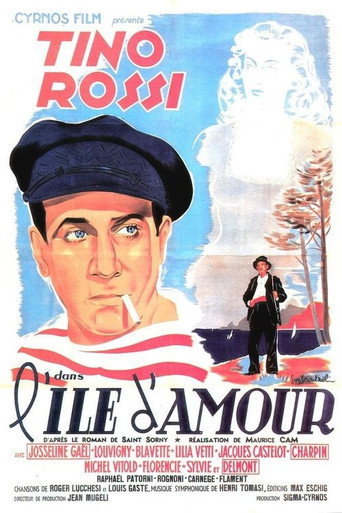
The Island of Love
A Corsican fisherman is the victim of a vendetta, when he was wrong to date the niece of a businessman proposing to create a seaside resort, much to the anger of the islanders.
Gallery