Tibor Szemzö Movies, TV Shows, and Filmography
Tibor Szemzö
Sound
Biography
No biography available.
Filmography Movies
Acting
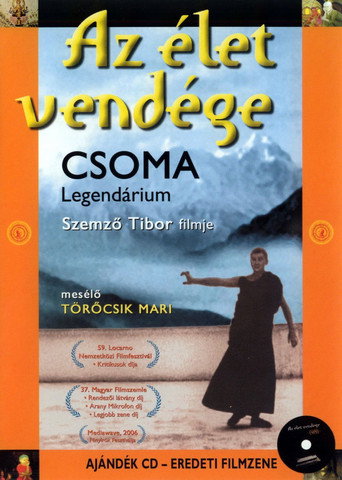
A Guest of life
'A Guest of life' is inspired by the journey of Alexander Csoma de Koros. The eccentric 19th century set out from his native Transylvania to central Asia on foot, only taking his knowledge of 13 dead and spoken languages with him. He wanted to find the ancestors of the Hungarians, but once reaching Tibet he stayed there, compiling an English-Tibetan dictionary, translating and abridging Buddhist teachings and literature, including the Book of the Dead. The film however is not a biopic, but a collection of impressions of Tibet, recorded on an 8mm camera, overlaid with excerpts from Csoma's diary and translations, spoken on the many languages familiar to Csoma. Intercut with the documentary-style footage are animated segments, which tell Transylvanian folktales that have been weaved around the legendary figure of Csoma.
Aranymadár
Production
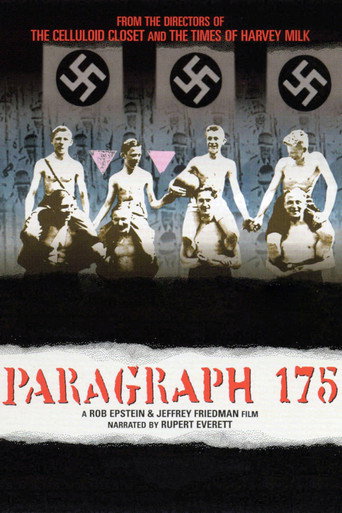
Paragraph 175
During the Nazi regime, there was widespread persecution of homosexual men, which started in 1871 with the Paragraph 175 of the German Penal Code. Thousands were murdered in concentration camps. This powerful and disturbing documentary, narrated by Rupert Everett, presents for the first time the largely untold testimonies of some of those who survived.
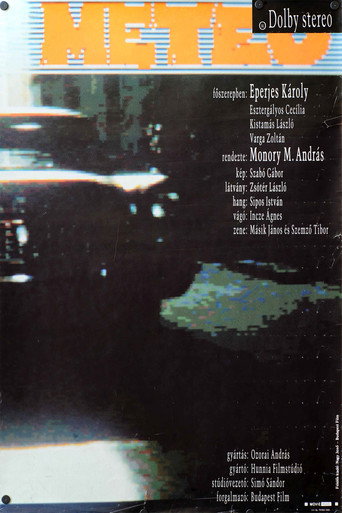
Meteo
Eckermann (Laszlo Kistamas) is a listless computer whiz who spends most of his time lounging in a bathtub holding imaginary conversations with cartoon characters usually more popular with children than grownups. He has some friends who want to use his skills to steal some money from a local gambling joint. He works out a scheme for his friends and returns to his tub. At some point along the way, he is joined in the water by a lovely Czech refugee, who (perhaps inadvertently) makes it possible for him to die there.
A Guest of life
'A Guest of life' is inspired by the journey of Alexander Csoma de Koros. The eccentric 19th century set out from his native Transylvania to central Asia on foot, only taking his knowledge of 13 dead and spoken languages with him. He wanted to find the ancestors of the Hungarians, but once reaching Tibet he stayed there, compiling an English-Tibetan dictionary, translating and abridging Buddhist teachings and literature, including the Book of the Dead. The film however is not a biopic, but a collection of impressions of Tibet, recorded on an 8mm camera, overlaid with excerpts from Csoma's diary and translations, spoken on the many languages familiar to Csoma. Intercut with the documentary-style footage are animated segments, which tell Transylvanian folktales that have been weaved around the legendary figure of Csoma.
A Guest of life
'A Guest of life' is inspired by the journey of Alexander Csoma de Koros. The eccentric 19th century set out from his native Transylvania to central Asia on foot, only taking his knowledge of 13 dead and spoken languages with him. He wanted to find the ancestors of the Hungarians, but once reaching Tibet he stayed there, compiling an English-Tibetan dictionary, translating and abridging Buddhist teachings and literature, including the Book of the Dead. The film however is not a biopic, but a collection of impressions of Tibet, recorded on an 8mm camera, overlaid with excerpts from Csoma's diary and translations, spoken on the many languages familiar to Csoma. Intercut with the documentary-style footage are animated segments, which tell Transylvanian folktales that have been weaved around the legendary figure of Csoma.
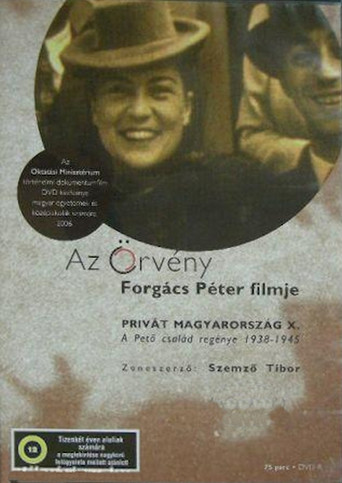
Free Fall
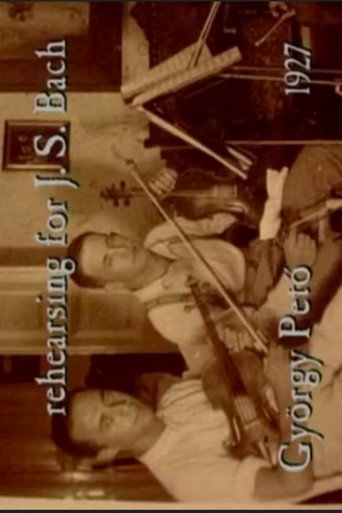
Main character of AZ ÖRVÉNY is cameraman György Petö. His private films shot before and during World War II document his family, and particularly his girlfriend and later wife Eva Lengyel. With hindsight, these films, mainly recorded in the southern Hungarian city of Szeged, make up an extremely wry historical document. Petö was a Jew. Slowly but gradually we notice how the anti-Jewish laws and political revolutions in Hungary take the family in a stranglehold. AZ ÖRVÉNY is a rhapsody of found footage. Skillfully edited and complemented with additional footage, it produces an account of an atrocious era and a plea for human dignity.
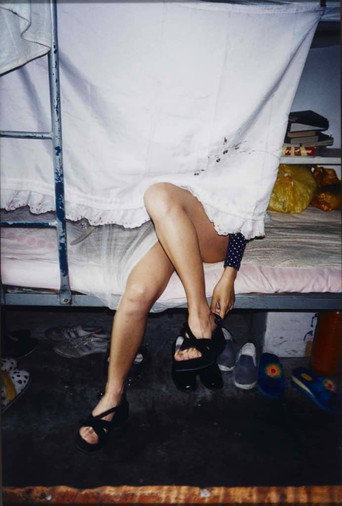
Let‘s Sit Down Before We Leave
A cinematographic reflection on external and internal images based on a journey to Siberia: looking, listening and marvelling.
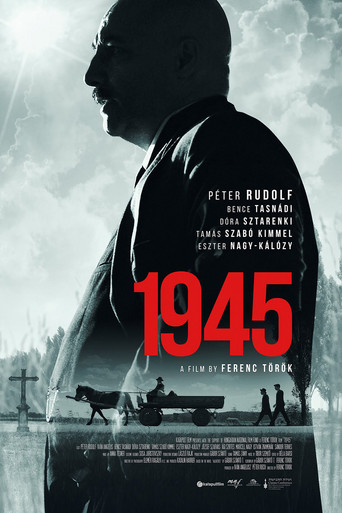
1945
An unsettling feeling overwhelms a small Hungarian town when two orthodox Jews arrive with a mysterious trunk. As residents begin to speculate on the purpose of the visit of these two strangers, order starts to crumble in town with some pursuing devious plans and others finding remorse in their hearts.
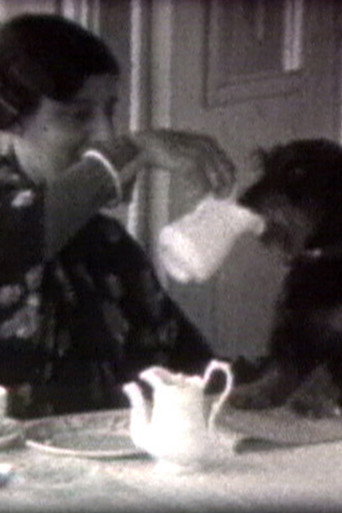
Dusi & Jenõ
The private diary of a couple in a ghostly Budapest before, during and after the Second World War, between poetry and historical re-enactment.
Free Fall
"Free Fall" reflects to the times before the Shoah, the darkest chapter of the 20th century Hungary, based on the home movies of the talented musician, photographer and businessman, György Pető who made 8mm films from 1938.
The Maelstrom: A Family Chronicle
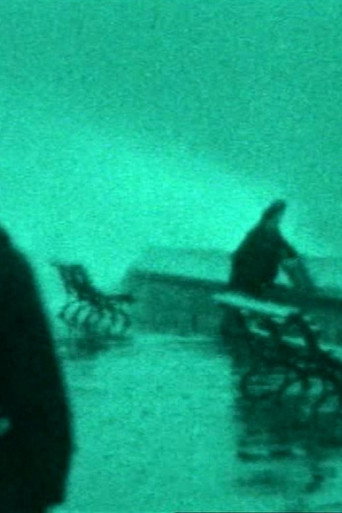
The Maelstrom makes extraordinary artful use of considerable cache of home movies shot in the Netherlands before and during World War II and dealing with the extended Peereboom family. Information is conveyed through subtitles and instead of voice-over, the soundtrack consists of period sound, usually from radio broadcasts, and brooding, disturbing jazz score by Tibor Szemzõ. What wee see is a Jewish family first living unknowingly in the shadow of the Holocaust and then trying to cope with it still unaware of what it will finally mean. A shot of the film's photographer Max Peereboom, and his family we've come to know, cheerfully sewing and doing general preparation for a trip to a "work camp" when their destination was in reality the nightmare of Auschwitz adds a devastating dimension to our understanding of the Final Solution that nothing else, no Hollywood movie, no documentary, has been able to provide.