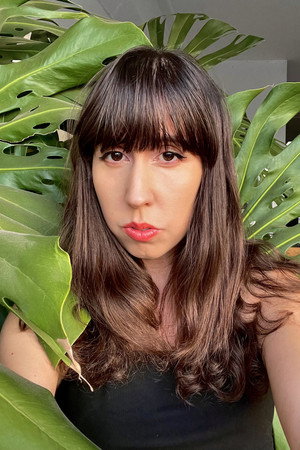
Tiare Ribeaux Movies, TV Shows, and Filmography
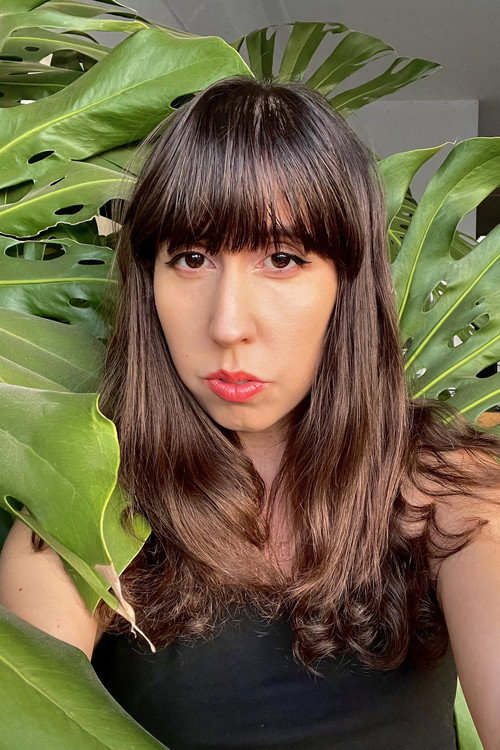
Tiare Ribeaux
Directing
Biography
Tiare Ribeaux is a Kānaka ‘Ōiwi filmmaker, writer and producer based in Honolulu, Hawai‘i. Her films disrupt conventional storytelling methods by employing magical realist explorations of spirituality, labor, and the environment to critique both social and ecological imbalances. Her films use visual narrative and components of speculative fiction and fantasy to reimagine both our present realities and future trajectories of healing, queerness, lineage, place and belonging.
Filmography Movies
Production
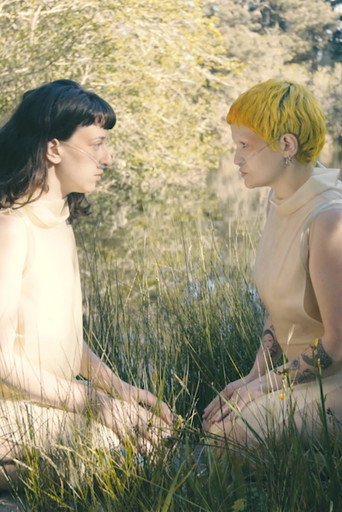
CYANOVISIONS
Speculative mutualisms of the future are revealed showing humans living in symbiosis with cyanobacteria and other organisms in scenarios that are peaceful, provocative, and surreal.
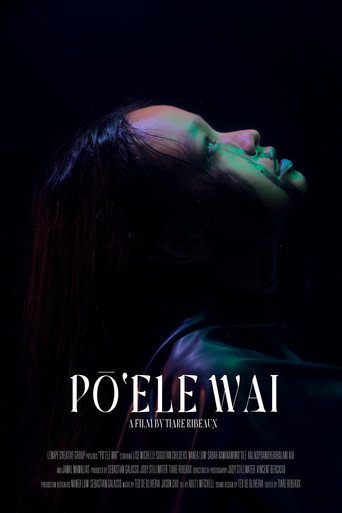
As The Water Darkens
A weaver navigates between survival and her connection to the land while a mysterious rash grows on her body. While working as a cleaner, she becomes entranced by a mysterious painting and learns it is inspired by a Hawaiian creation story. As her rash worsens, she realizes her drinking water has been poisoned by fuel leaking into the island’s watersheds, and undergoes a major transformation.
As The Water Darkens
A weaver navigates between survival and her connection to the land while a mysterious rash grows on her body. While working as a cleaner, she becomes entranced by a mysterious painting and learns it is inspired by a Hawaiian creation story. As her rash worsens, she realizes her drinking water has been poisoned by fuel leaking into the island’s watersheds, and undergoes a major transformation.
As The Water Darkens
A weaver navigates between survival and her connection to the land while a mysterious rash grows on her body. While working as a cleaner, she becomes entranced by a mysterious painting and learns it is inspired by a Hawaiian creation story. As her rash worsens, she realizes her drinking water has been poisoned by fuel leaking into the island’s watersheds, and undergoes a major transformation.
As The Water Darkens
A weaver navigates between survival and her connection to the land while a mysterious rash grows on her body. While working as a cleaner, she becomes entranced by a mysterious painting and learns it is inspired by a Hawaiian creation story. As her rash worsens, she realizes her drinking water has been poisoned by fuel leaking into the island’s watersheds, and undergoes a major transformation.
As The Water Darkens
A weaver navigates between survival and her connection to the land while a mysterious rash grows on her body. While working as a cleaner, she becomes entranced by a mysterious painting and learns it is inspired by a Hawaiian creation story. As her rash worsens, she realizes her drinking water has been poisoned by fuel leaking into the island’s watersheds, and undergoes a major transformation.
As The Water Darkens
A weaver navigates between survival and her connection to the land while a mysterious rash grows on her body. While working as a cleaner, she becomes entranced by a mysterious painting and learns it is inspired by a Hawaiian creation story. As her rash worsens, she realizes her drinking water has been poisoned by fuel leaking into the island’s watersheds, and undergoes a major transformation.
Ulu Kupu
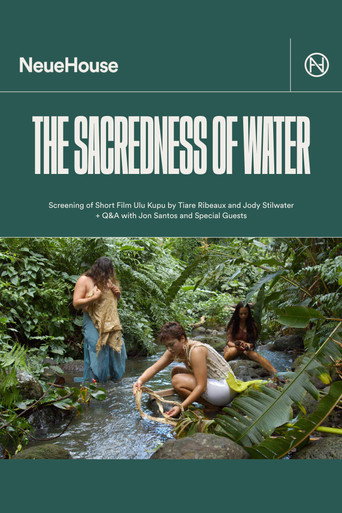
Ulu (ʻŌlelo Hawai'i): “to grow, increase, spread, to protect, to rise”; Kupu: “sprout, offspring, germinate” or a “spirit or supernatural being”. Through video that mixes parallel visual narratives, Ulu Kupu follows a “Labor Hula”, a performance of harvesting plants/materials from the 'āina (land): hala which is used for weaving; wauke, which is used to create kapa or tapa, a textile; and hau which is also used as a textile or decorative fiber. This dance with the materials of the land is further expanded through the performance of a dancer, wearing the materials on their body and dancing in a wahi pana (sacred place) as well as in a grove of hau trees.
Ulu Kupu
Ulu (ʻŌlelo Hawai'i): “to grow, increase, spread, to protect, to rise”; Kupu: “sprout, offspring, germinate” or a “spirit or supernatural being”. Through video that mixes parallel visual narratives, Ulu Kupu follows a “Labor Hula”, a performance of harvesting plants/materials from the 'āina (land): hala which is used for weaving; wauke, which is used to create kapa or tapa, a textile; and hau which is also used as a textile or decorative fiber. This dance with the materials of the land is further expanded through the performance of a dancer, wearing the materials on their body and dancing in a wahi pana (sacred place) as well as in a grove of hau trees.
Ulu Kupu
Ulu (ʻŌlelo Hawai'i): “to grow, increase, spread, to protect, to rise”; Kupu: “sprout, offspring, germinate” or a “spirit or supernatural being”. Through video that mixes parallel visual narratives, Ulu Kupu follows a “Labor Hula”, a performance of harvesting plants/materials from the 'āina (land): hala which is used for weaving; wauke, which is used to create kapa or tapa, a textile; and hau which is also used as a textile or decorative fiber. This dance with the materials of the land is further expanded through the performance of a dancer, wearing the materials on their body and dancing in a wahi pana (sacred place) as well as in a grove of hau trees.
Gallery