Acting
No biography available.
Follows the efforts to gain the right to vote for Negroes through a succession of legal decision and social changes. Dramatizes the case of Smith vs. Allwright et al. Reviews the long conflict to extend voting rights to a large electorate beginning with the Constitutional Convention's compromise over dropping property requirements through and including the enactment of the 15th and 19th Amendments to the Constitution. Cites legal precedents established by the U.S. Supreme Court through their decisions concerning the control of state primaries in 1918 and 1935 and the later reversals in 1941 and 1944. Points to the issues involved in Federal encroachment upon state's rights.
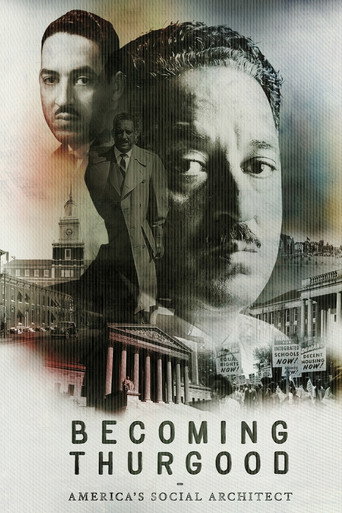
Becoming Thurgood: America’s Social Architect traces Marshall’s life and career from his birth in Baltimore in 1908, through his years at Historically Black Colleges and Universities Lincoln University and Howard University School of Law, and on to his groundbreaking career as a lawyer championing civil rights. After launching his legal career in Baltimore in 1935, Marshall went on to win 29 of the 32 cases he argued before the U.S. Supreme Court , most notably the landmark Brown v. Board of Education case in 1954, which ended racial segregation in public schools. In 1967 he was appointed to the Supreme Court, where he served until his retirement in 1991.
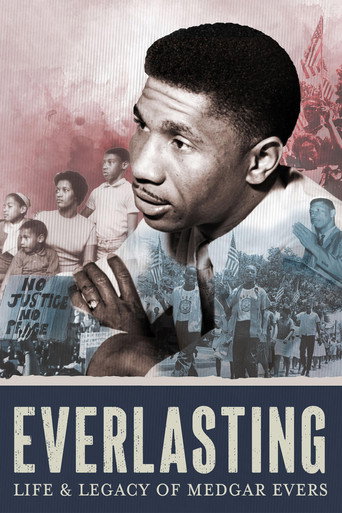
An MPB Original Production honoring the life, work, and impact of one of Mississippi’s most courageous voices. This powerful two-hour documentary features interviews with Evers’ family, colleagues, and historians. Everlasting offers a moving, personal look at his legacy in the fight for civil rights.