Production
No biography available.
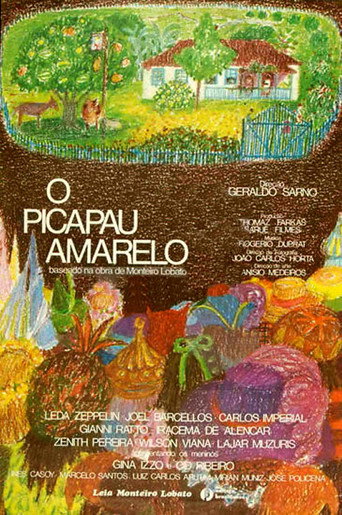
The Viscount of Sabugosa is locked in the library writing an encyclopedia about the characters in children's fables. Dona Benta receives a letter from little Thumb, written on a rose petal, in which he, realizing that the inhabitants of the world of fables are forgotten in the books on the shelves, requests that everyone live in Sítio do Picapau Amarelo. Emília and the children love the idea, and Dona Benta says yes. They move
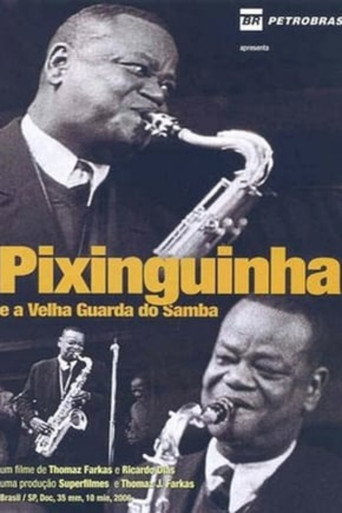
The documentary records the celebrations for the celebration of the fourth centenary of the city of São Paulo, in 1954. In charge of the party, Pixinguinha, Donga, João da Baiana and other representatives of the Old Guard.
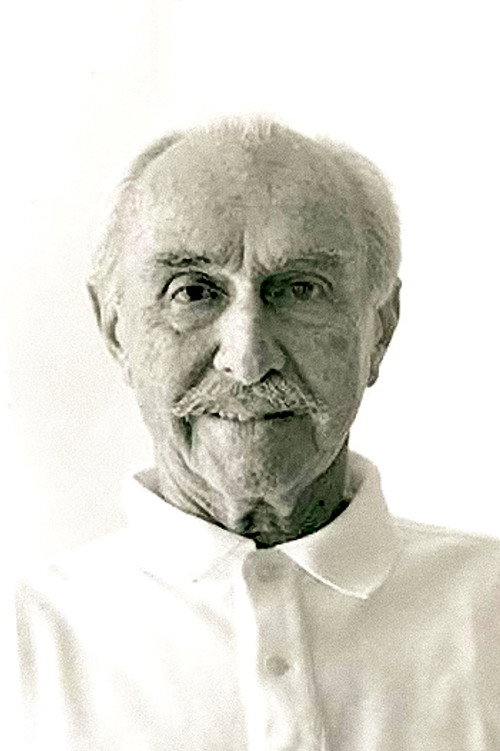
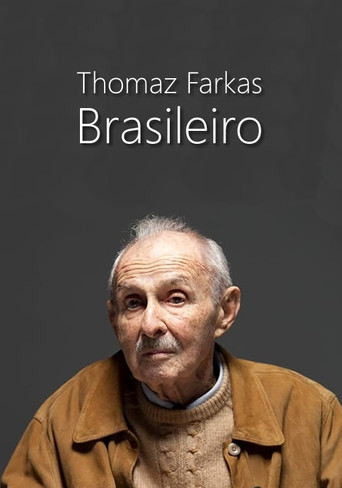
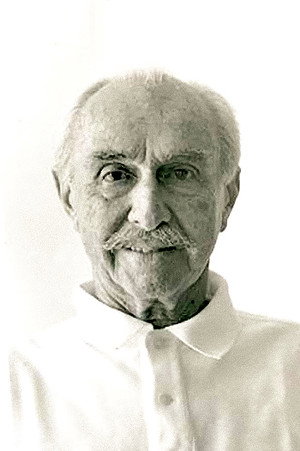
About the Hungarian photographer, an exponent of the history of the Brazilian documentary, directed by filmmaker Walter Lima Junior and sponsored by Petrobras.
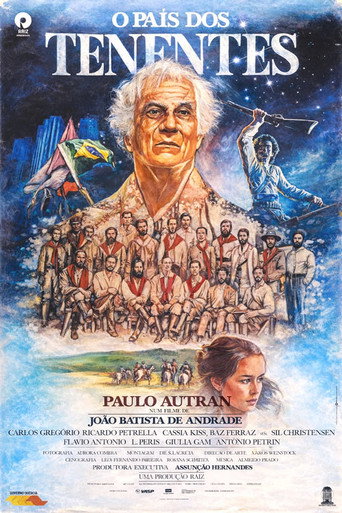
With death getting near, a retired officer remembers the most important passages in his life and his participation in historical events in Brazil, such as the Lieutenants' Movement, and the 1964 coup.
The disorderly growth of large urban centers in the country and the discussion about the development and existence of cultural spaces. Based on the example of the Teatro de Ópera in Campinas, a building that managed to consolidate construction and space for the existence of a square, theater and architecture are discussed, pointing out the future coexistence between men and cities. Using models, the film presents a new urban concept of the square, as a point of bringing people together for an encounter with cultural things, combining gardens, concert halls, compilation rooms and libraries. A theatrical rehearsal, held in an unfinished theater in Campinas / SP, designed by the architect Fábio Penteado.
Expedito, after being abandoned by his parents, became Zefa's adopted son until he became a man and started earning his living as an independent fisherman. As soon as he finds out that Zefa is very ill, Expedito runs back home and finds his adoptive mother in agony. At the edge of the bed, a mysterious woman, who claims to be Death, sits.
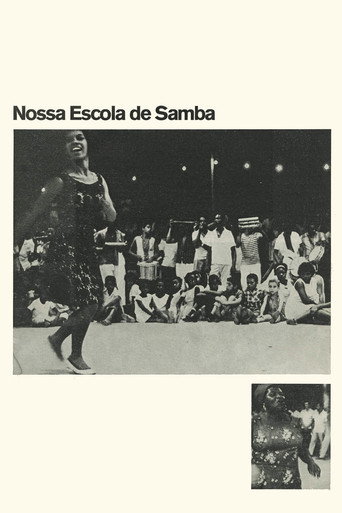
A year in the life of a samba school, from the first rehearsals to the parade on the avenue.
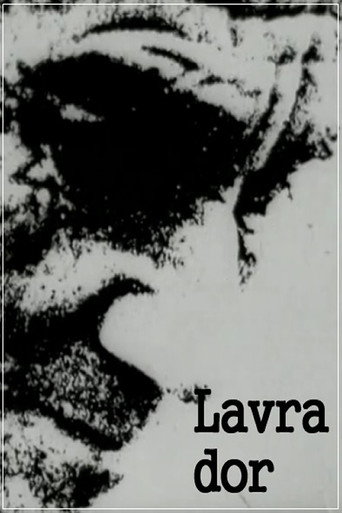
A debate about the agrarian reform in Brazil, in free and poetic form, showing the countrymen's struggles and hardships, and rural unionism issues after the military coup, kind of a nonlinear interpretation of Mário Chamie's poem "Lavra-Lavra".
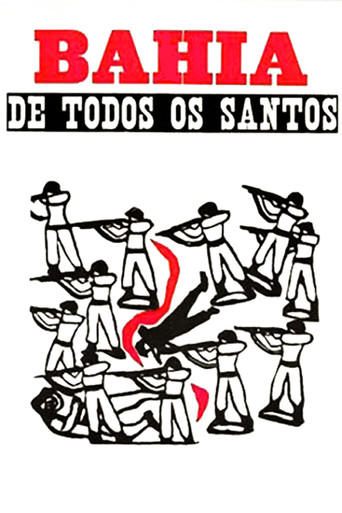
Salvador, Bahia, Brazil, during the dictatorship of Getúlio Vargas. Outlaw Tonio is involved in a conflict between strikers and the police. His mistress tries to keep him from his companions, but he steals her belongings to help the persecuted. Dissatisfied, she denounces him, compromising him politically.
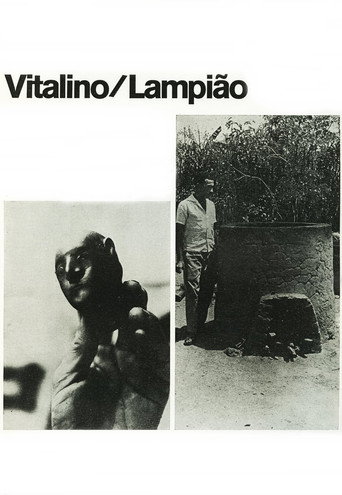
From the clay used to make tiles or clay clay, an image of Lampião, the king of Cangaço, begins to emerge through the work of ceramicist Manuel Vitalino dos Santos. According to the artist, son of Mestre Vitalino, the most famous clay artisan in the Northeast, it would be preferable to abandon the art rather than having to change his artisanal production method. Tradition and consumption are discussed when the art arrives to be sold at the Caruaru Fair in Pernambuco. The soundtrack is provided by the voice of singer Severino Pinto.
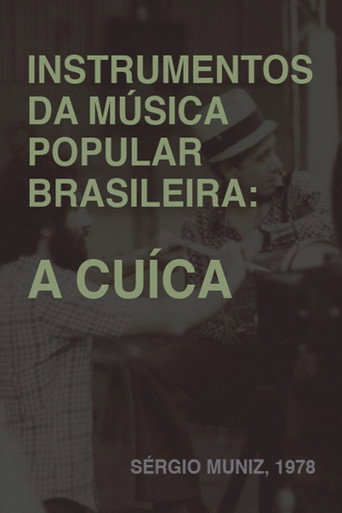
Testimony by instrumentalist Osvaldinho da Cuíca with historical explanation of the presence of cuíca in several countries around the world and its popularization in Brazil based on samba. Osvaldinho gives tips on how to extract the sound from the instrument and makes a presentation at the Casa Verde Samba School Mocidade Alegre.
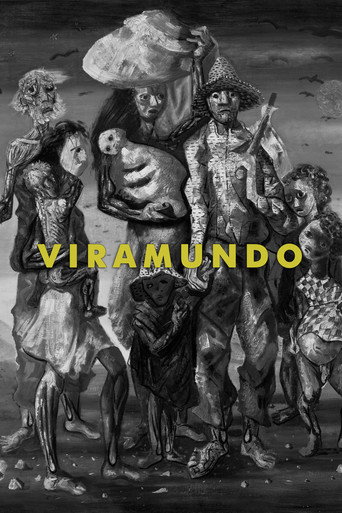
Viramundo shows the saga of the northeastern migrants that arrive in São Paulo, beginning with a train arriving and ending with a train leaving São Paulo in a cycle repeated every day. Viramundo's aim was to question why the military coup d'état in Brazil happened without any popular resistance or revolution or reaction of the society.
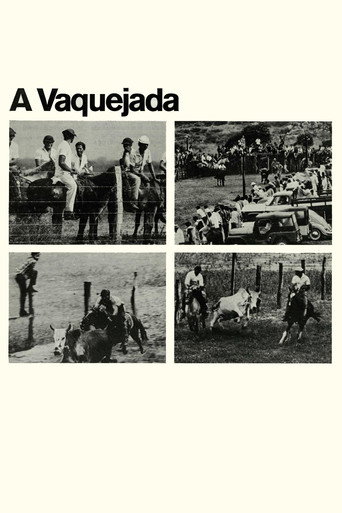
In the interior of Paraíba a tournament between cowboys who must demonstrate mastery in knocking an ox down by the tail while they ride.