Theresia Wider Movies, TV Shows, and Filmography
Theresia Wider
Acting
Biography
No biography available.
Filmography Movies
Acting

Coming Out
Philipp, a closeted teacher, is dating a female colleague to keep up appearances. One night he stumbles into a gay bar and falls for a man. Transformed by this love, he is no longer afraid to face up to who he is.

Für die Liebe noch zu mager
At the textile company, everyone appreciates the work of 18-year-old Susanne, but nobody really considers her a woman—including Lutz, with whom she is in love. She sets about to make a change, but it is only when she realizes that she is being taken advantage of that a more self-confident Susanne emerges.
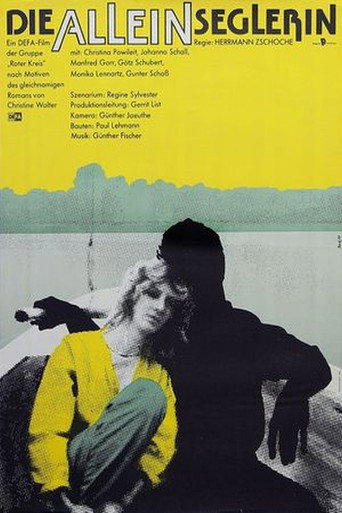
The Solo Sailor
Christine inherits a sailboat from her father, whom she barely knew. Christine is a divorced single mother and her job at a research insitute leaves her with too much work and too little time to sail. She can't find anyone to buy the boat at full value, so she tries to repair it over the winter in the hopes of being able to get a better price in the spring. Working on the boat become something of an obsession to the detriment of Christine's relationships with her son, boyfriend and collegues. When the boat is finally ready to sell, she isn't sure that she is willing to part with it after all.
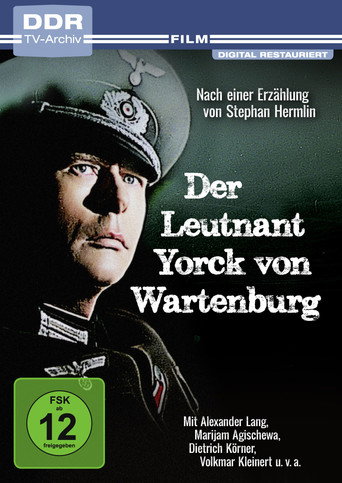
Der Leutnant Yorck von Wartenburg
The young officer Count Yorck von Wartenburg - he bears one of the most famous names of the German past - awaits his execution as a participant in the conspiracy of July 20, 1944. Von Wartenburg, together with his comrades, suffers infinitely long days of terrible torture, disrespect and humiliation as a death candidate. In a dream, he experiences his escape and the real continuation of his fight against fascist barbarism, for which he must detach himself from his class and is involved in the anti-Hitler front by communists and the Soviet army.

Zement
Early 1921: a man is on his way home. Gleb Chumalov, regimental commander, worker and Hero of the Order of the Red Banner, returns to his home town from the Civil War. The victory over the enemies of the Russian people gives him the conviction that a new, better time will dawn overnight. Gleb looks for his comrades from earlier years, but only finds people who are emaciated by their efforts. The cement works where he used to work has been plundered and abandoned. With great effort, Gleb and his comrades try to get the plant up and running again. The struggle seems to begin anew... It is the time after the victory of the “Great October Socialist Revolution“ and the time of building a new society.
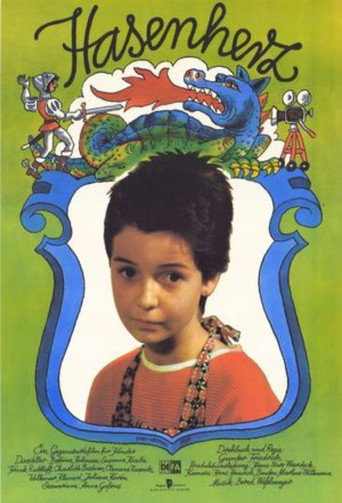
Rabbit Heart
The thirteen year old Janni is depressed, because she's still a little behind in her physical development. This leads to bullying remarks from her classmates. One day, a film crew comes to her school to find a candidate for the role of a Prince in a movie. They choose Janni, who they think is a boy. She takes on the role. At school, she tells her classmates she plays a Princess. When the moment of truth approaches she must find the self-confidence to invite the class to the premiere.
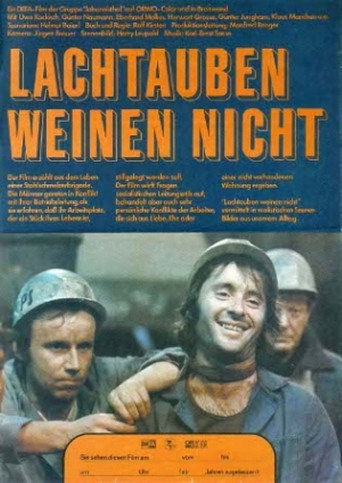
Lachtauben weinen nicht
The film tells the story of the smelter brigade of a steel mill whose members are connected by a strong comradeship. Among the workers are, for instance, young Rolf, whom everybody just calls "Lachtaube" and who always comes through for his co-workers, or the likable Hubert, who works as a simple smelter again after being dismissed as the head of the steel mill. Then, there is also the stubborn Manfred, who should have become a brigadier long ago because of his experience and his competence, but this privilege is refused to him because Manfred is not a party member. Ironically, it is Manfred who hears by accident about the plans of the mill to close down the old Martin furnaces – and to lay off the smelters. When the other men learn about the plans they enter the barricades for their jobs and force the plant′s management to face the workers′ demands and criticism.
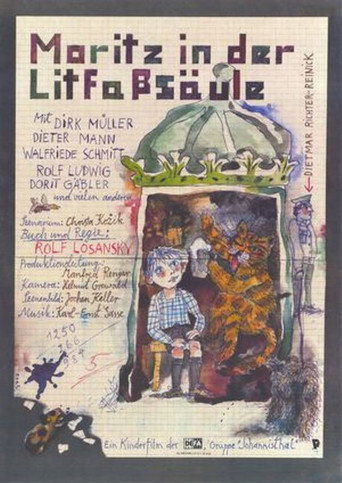
Moritz in der Litfaßsäule
No one has any time for Moritz. And at school, things are not exactly the greatest either. Moritz runs away and moves into the inside of an advertising pillar. A speaking cat, a circus girl and a street sweeper become his new friends. Gradually, they help the young boy to realize that running away does not solve anything.

Die Verführbaren
1929: Marie Lehning, a farm worker from Warmsdorf on the Baltic Sea, falls in love with the fisherman's son Mingo. Both complete an apprenticeship in Lübeck. Marie wants to become a seamstress, Mingo a carpenter. After their first night of love, they swear eternal fidelity. But Marie has to return to the village, her mother is ill and her siblings are unprovided for. She starts working as a maid on a farm. Unexpectedly, she meets the young Kurt Meier from Berlin, whom she knows from before.
Farssmann oder Zu Fuß in die Sackgasse
He could have had women, he could have climbed the ladder of his accountancy career, and he could have stood on the podium next to the highest in the land. If only he had wanted to! But Farssmann, shaken by divorce and unwilling to better himself, wants to remain what he is: an ordinary bookkeeper like you and me. And so the dollar deal with Mr. Osbar from Utah (USA) is not the first time he comes into conflict with the very palpable unreality of a country called the German Democratic Republic.