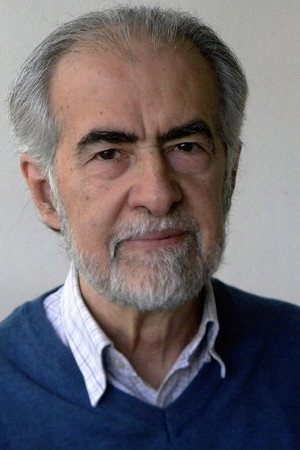
Thaelman Urgelles Movies, TV Shows, and Filmography
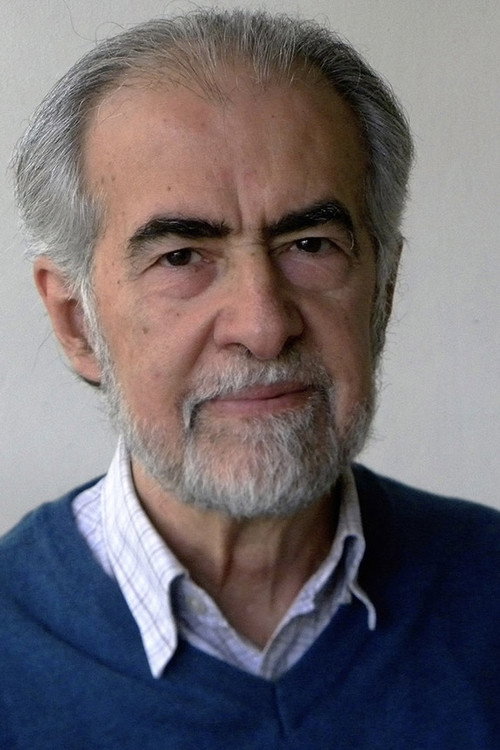
Thaelman Urgelles
Directing
Biography
Thaelman Urgelles is a Venezuelan filmmaker. Born in Barquisimeto, he began studying psychology, art, and social communication in 1965. He then worked as a journalist covering sports and current affairs. Beginning in 1973, he became involved in a theater project that eventually led him to cinema—starting with small productions in Super 8 and 16 mm, as well as educational and political documentaries and narrative short films. His first feature film was part of the prolific cinematic movement that made Venezuela the third-largest producer of feature films in Latin America at the time. Co-directed with Carlos Rebolledo in 1977, Alias (El rey del Joropo) was based on Edmundo Aray's Los cuentos de Alfredo Alvarado. The film explores the life of a famous Venezuelan dancer and criminal, told through the format of a television program that recounts his gruesome adventures while also revealing the contradictions of the television medium itself. Urgelles went on to become one of Venezuela's most successful and acclaimed directors. He produced and directed La venganza o ¡Qué bellas son las flores! (1978), a satire of the deep social inequalities in Venezuelan society. He also directed La boda (The Wedding), considered by many to be one of the greatest Venezuelan films of all time. The film revolves around a wedding in which the guests form a microcosmic representation of the nation—its past, present, and future—bringing together different social classes and tracing thirty years of Venezuelan history, including the country’s transition from dictatorship to democracy between 1950 and 1980. His subsequent productions, El atentado (1984) and La generación Halley (1986), which he wrote and directed, were films aimed at reaching a larger audience. During this period, he also produced Casa tomada (1985) and Pacto de sangre (1988), both directed by his wife Malena Roncayolo. Between 1987 and 1990, he produced several documentaries and directed two television miniseries. Urgelles was a key figure in the institutionalization of Venezuelan cinema beginning in 1976. He served as president of the National Association of Film Authors (Asociación Nacional de Autores Cinematográficos, ANAC), among other roles. In 2000, he adapted Edilio Peña’s 1975 play Los pájaros se van con la muerte (The Birds Leave with Death) for the big screen.
Filmography Movies
Acting
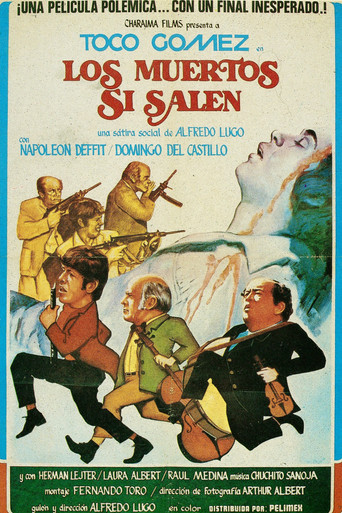
Los muertos sí salen
Trino, Nerio, and Alfonso are poor chamber musicians trying to survive by playing wherever they can. During a general's funeral, the musicians try to play funeral music, but the screams of one of them, who thinks he's seen the deceased's hand move, cause such a commotion that the participants run away in terror.

Lily
Lily tells the story of two prostitutes who live on the side of a road, running a humble house that is frequented by truck drivers and people from neighboring towns.
Production
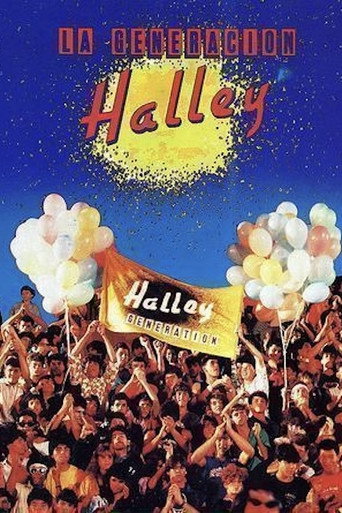
La generación Halley
The story tells the emotional conflicts of a group of young friends, who represent a generation that was characterized by family problems and live music. His great dream was to attend a concert by singer Melissa, while their private dramas were changing their lives.
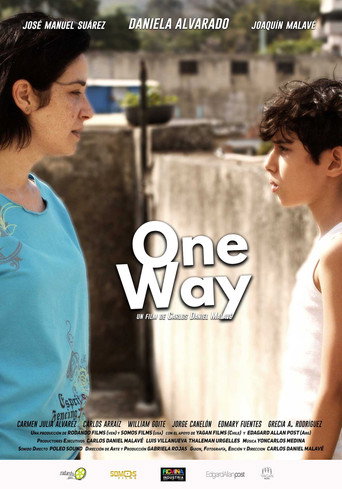
One Way
A single mother and her young son must face the social and economic crisis of their country while contemplating the possibility of leaving in search of a better life
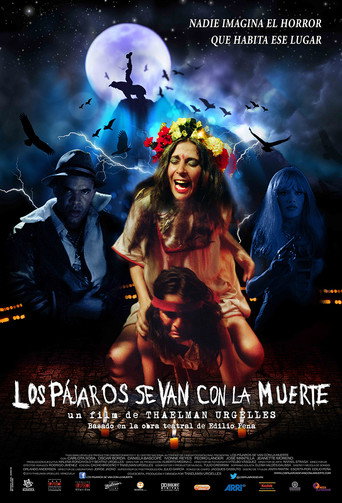
Los pájaros se van con la muerte
The obsession of The Mother for The Negro causes her sick relationship with The Daughter. Mother and daughter perform a daily routine of rites to conjure The Negro's soul. It pushes them into the dolorous tragedy which will consume them.

Un Cupido sin Puntería
Aquiles, an introverted museum curator is abandoned by Veronica, the love of his life. That same day, Víctor, an old and partying friend, whom his wife threw out of the house, arrives seeking refuge, but wants to turn this temporary shelter into his permanent home. Aquiles realizes that living with his friend is a nightmare and plans for Víctor to reconcile with his ex-partner Alicia so he can leave. Aquiles discovers that she is a lovely and wonderful woman, he does not fully understand how Alicia fell in love with a man like Víctor, and although she has a little remorse, she moves forward with the cupid plan. But Aquiles playing as cupid has a very bad aim and in the end, the arrow will point at him.
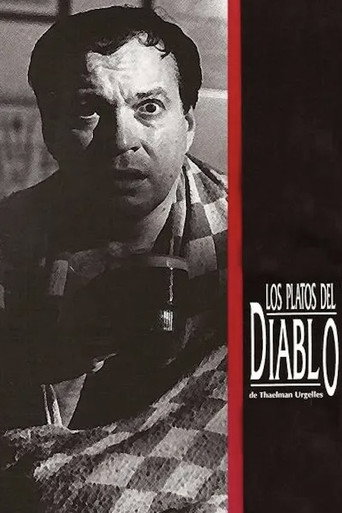
Los Platos del Diablo
Ricardo Azolar is looking for the right words, the exact phrases that will give him literary glory. The days are sterile and lacking in those brilliant ideas that should allow him to express through narrative, the fertile flow arising from the imagination. Until he meets Lisbeth, venus and intoxicating muse who nevertheless compels him to write irrelevant and devoid of any imagination literary texts.
Los Platos del Diablo
Ricardo Azolar is looking for the right words, the exact phrases that will give him literary glory. The days are sterile and lacking in those brilliant ideas that should allow him to express through narrative, the fertile flow arising from the imagination. Until he meets Lisbeth, venus and intoxicating muse who nevertheless compels him to write irrelevant and devoid of any imagination literary texts.
Los Platos del Diablo
Ricardo Azolar is looking for the right words, the exact phrases that will give him literary glory. The days are sterile and lacking in those brilliant ideas that should allow him to express through narrative, the fertile flow arising from the imagination. Until he meets Lisbeth, venus and intoxicating muse who nevertheless compels him to write irrelevant and devoid of any imagination literary texts.
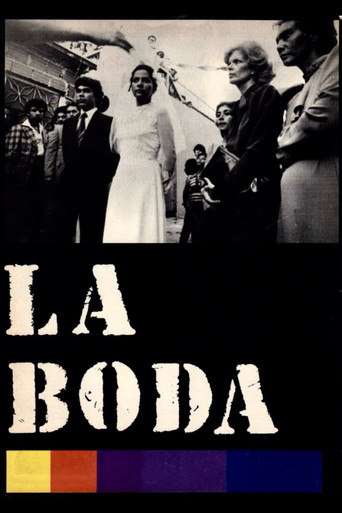
The Wedding
A politically charged film, where a series of archetypal characters are presented.
The Wedding
A politically charged film, where a series of archetypal characters are presented.

Bleeding Gold
In the southeast region of Venezuela, officially known as the Orinoco Mining Arc, an unprecedented ecocide is taking place, where a complex criminal network with transnational characteristics is being articulated. Its consequences are massively damaging the environment and the human rights of dozens of indigenous communities, leading to a historical environmental catastrophe hidden in the lungs of the planet.
Gallery