Terry Kilburn Movies, TV Shows, and Filmography

Terry Kilburn
Acting
Biography
From Wikipedia, the free encyclopedia Terence Edward Kilburn (born 25 November 1926), known for his acting work prior to 1953 as Terry Kilburn, is an English-American actor. Born in London, he moved to Hollywood in the U.S. at the age of 10, and is best known for his roles as a child actor, in films such as A Christmas Carol (1938) and Goodbye, Mr. Chips (1939) in the late 1930s and the early 1940s. Kilburn was born in West Ham, Essex, in Greater London in 1926, to working-class parents. He did some unpaid acting as a young child, and an agent encouraged him to go to Hollywood. Kilburn and his mother immigrated to the U.S. in 1937, and his father arrived the following year. A talent scout for MGM discovered him rehearsing for Eddie Cantor's radio show, and he was cast in the British-set film Lord Jeff (1938). Known for his innocent, dreamy, doe-eyed look, Kilburn achieved fame at the age of 11 portraying Tiny Tim in the 1938 Metro-Goldwyn-Mayer film version of A Christmas Carol, and also as four generations of the Colley family in Goodbye, Mr. Chips (1939). He also played leading roles in two films which starred Freddie Bartholomew: Lord Jeff (1938) and Swiss Family Robinson (1940). He was featured in The Adventures of Sherlock Holmes (1939) with Basil Rathbone. In addition to Lord Jeff (1938), Kilburn worked alongside Mickey Rooney in Andy Hardy Gets Spring Fever (1939), A Yank at Eton (1942), and National Velvet (1944). In 1946 he was in Black Beauty. In his early 20s, in 1947 and 1948, he was in four back-to-back Bulldog Drummond films, as Seymour, a reporter; and in 1950 he had small roles in two seagoing films. After high school, Kilburn concentrated on stage work, and studied drama at UCLA. He made his Broadway debut, credited as Terrance Kilburn, as Eugene Marchbanks in a 1952 revival of George Bernard Shaw's Candida. He thereafter remained committed to live performances, as both actor and director. After 1952 he was credited on screen as Terence Kilburn. His final feature film role was a small part in Lolita (1962). Between 1951 and 1969, he was also in nearly a dozen teleplays, television movies, and television series episodes.
Filmography Movies
Acting
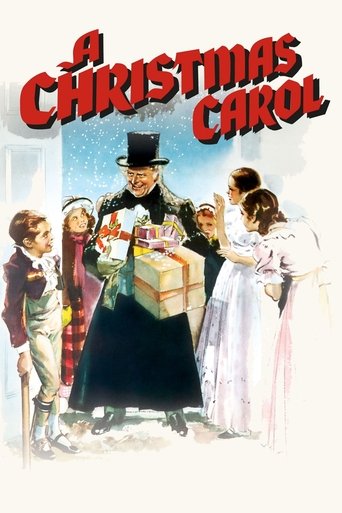
A Christmas Carol
Miser Ebenezer Scrooge is awakened on Christmas Eve by spirits who reveal to him his own miserable existence, what opportunities he wasted in his youth, his current cruelties, and the dire fate that awaits him if he does not change his ways. Scrooge is faced with his own story of growing bitterness and meanness, and must decide what his own future will hold: death or redemption.
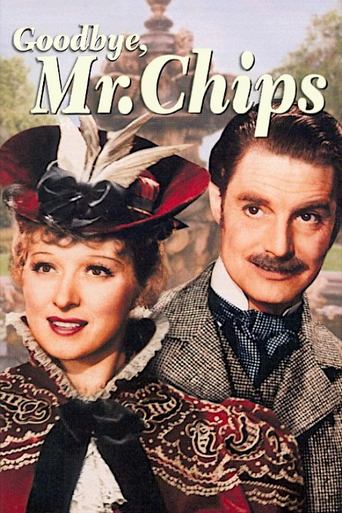
Goodbye, Mr. Chips
Over several decades throughout the late 19th-century and early 20th-century, Mr Arthur Chipping rises from a shy, nervous teacher to the beloved, revered headmaster of Brookfield School, with his life and career shaped by his love for his wife and his unwavering dedication to his students.
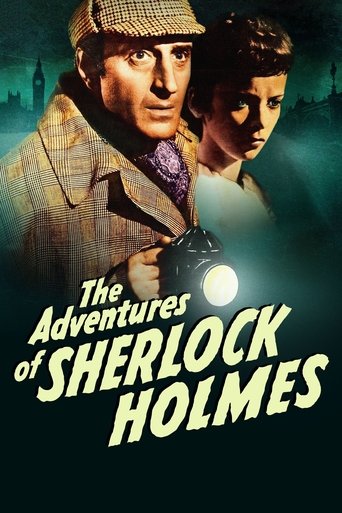
The Adventures of Sherlock Holmes
Having once again avoided criminal conviction, Professor Moriarity develops a murderous plan to “finish off” his last major nemesis, Sherlock Holmes, by making him fail to prevent the perfect crime. Does it involve a family curse, the crown jewels of England, or something else…
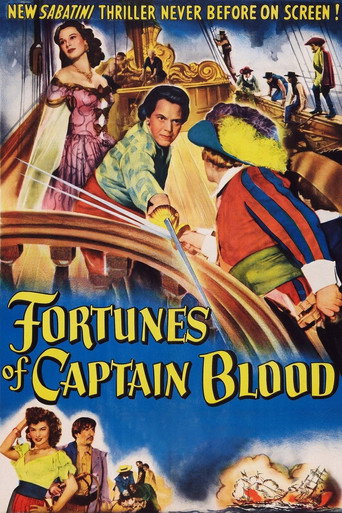
Fortunes of Captain Blood
When he unwittingly sends some of his men into a trap, pirate Captain Peter Blood decides to rescue them. They've been taken prisoner by the Spanish Marquis de Riconete who is now using them as slave labor harvesting pearls from the sea.
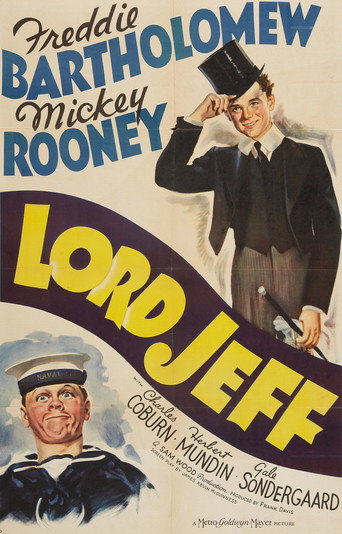
Lord Jeff
Spoiled child Geoffrey Bramer teams up with a pair of small time crooks to pose as an aristocrat and steal jewelry from exclusive shops. During a a caper, Geoffrey is caught and is sentenced to a reformatory where young men are trained to be sailors. He is befriended by model in-mate Terry O'Mulvaney but soon starts to get them both in trouble.
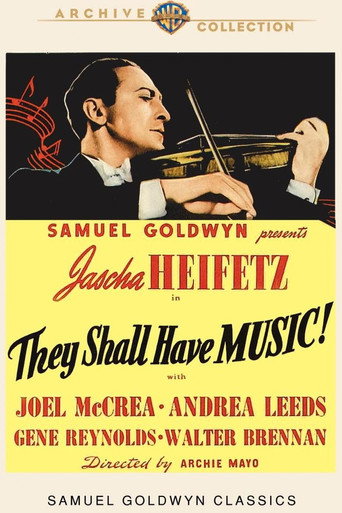
They Shall Have Music
The future is bleak for a troubled boy from a broken home in the slums. He runs away when his step father breaks his violin, ending up sleeping in the basement of a music school for poor children.
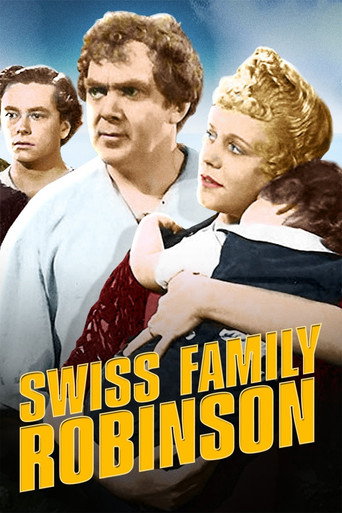
Swiss Family Robinson
A family setting out for a new life across the sea is shipwrecked on a deserted island. The family members collaborate to create a home for themselves in the jungle environment.
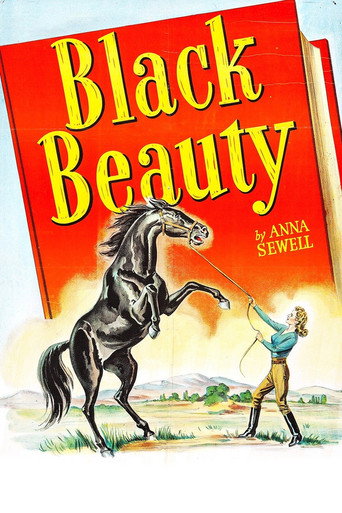
Black Beauty
Based on Anna Sewell's novel. In rural England of the 1880's, widower Squire Wendon is rearing his young daughter Anne. Her father has forbidden her to be present when their mare, "Duchess," gives birth. Anne sneaks out to the stable, however, and is discovered by her father who forbids her ever to ride Duchess again. Despite this punishment, he gives Anne Duchess's colt because it is her birthday, and she names him "Black Beauty."
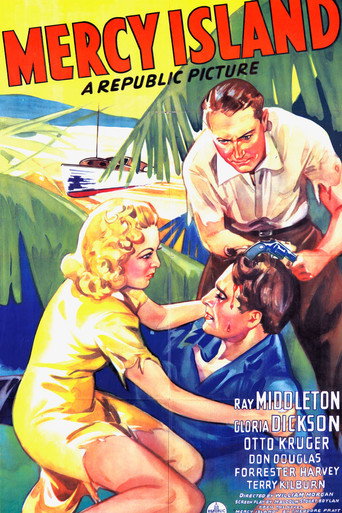
Mercy Island
The beautiful Florida Keys provide the setting of this adventure that tells the tale of a fun-filled fishing trip that becomes a nightmare when the charter boat is wrecked on an isolated island. Unfortunately, there are very few provisions and the group must fend for themselves. They are eventually assisted by a hermit, but before that one of the group goes insane, and another is eaten by an alligator.
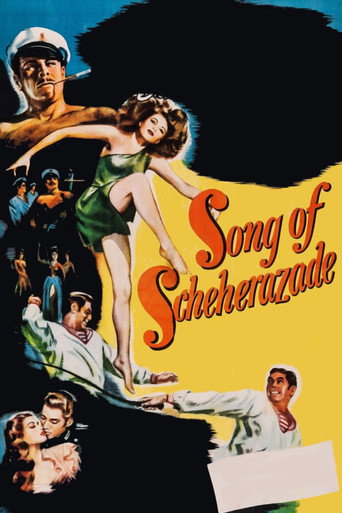
Song of Scheherazade
In 1865, the cadets of a Russian Naval Academy ship have shore leave in Morocco; among them is (fictionalized) future composer 'Nicky' Rimsky-Korsakov. In search of a piano, Nicky and singing ship's doctor Klin meet a family of once-wealthy Spanish colonists...and their daughter Cara who secretly dances in a cabaret. Romantic complications ensue, but Nicky seems less interested in Cara's favors than in inspirations for his future masterpieces.
Gallery