Teresa Villaverde Movies, TV Shows, and Filmography
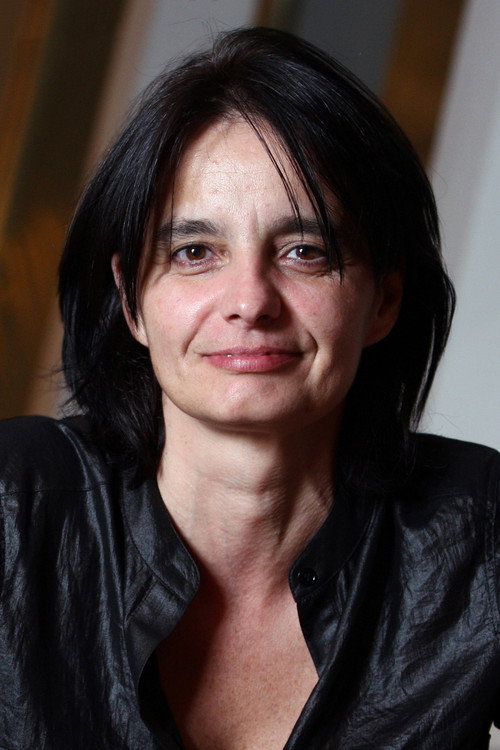
Teresa Villaverde
Directing
Biography
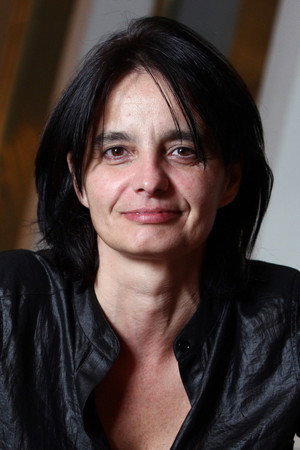
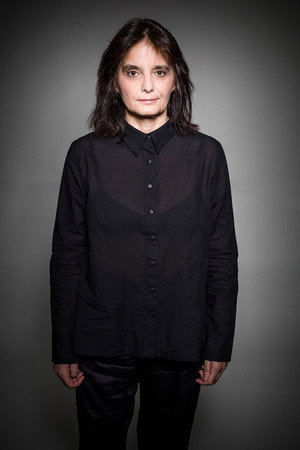
Teresa Villaverde is a Portuguese screenwriter, director, and producer, born in Lisbon in 1966. She began her artistic career as co-writer and co-director of a stage production with the Theatre Group of the School of Fine Arts in Lisbon. Her films have won numerous awards and have been the focus of retrospectives and critical study worldwide — including the Centre Pompidou (France, 2019) and Fundação de Serralves (Portugal, 2019) — as well as complete retrospectives at festivals and cinematheques in Italy, Spain, Croatia, Switzerland, South Korea, and Portugal. She is frequently invited to teach in Portugal and abroad. Her work has premiered at the world’s leading festivals, including Cannes, Venice, and Berlin.
Filmography Movies
Acting
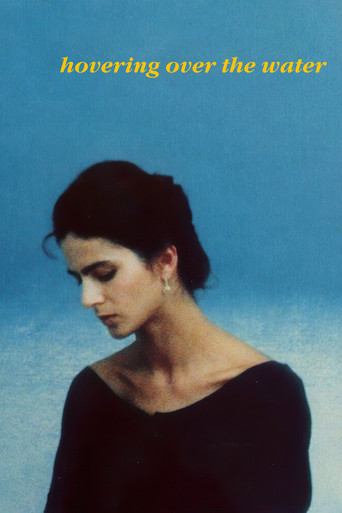
Hovering Over the Water
Laura Rossellini, a widow from Rome, vacations on the Algarve coast one hot summer. One day while sunbathing, she finds a wounded man named Robert drifting in the surf on a rubber raft. She takes him home, and, after he is revived, learns his story. As they talk, their mutual attraction grows, until a group of armed men suddenly arrive looking for Robert.

Lisboa no Cinema, Um Ponto de Vista
The city during the beginning of cinema. The typical city at the time of the dictatorship. The New Lisbon of the New Cinema. Lisbon after the Revolution. The white city of foreigners. A geographical and moviegoer screenplay of Lisbon through the images of films and testimonies of several filmmakers who filmed in Lisbon.

Two Brothers, My Sister
This dark and intense drama follows the slow and painful destruction of a young, passive woman as she watches her family fall apart. Maria is the shy and dutiful daughter upon whose shoulders the family traumas have fallen. In addition to a regular job she cooks, cleans, and studies. Her parents offer no assistance as her father is blind, with a tendency towards violence when drinking. His wife, the focus of his violence is terribly unhappy. After a particularly brutal beating, Maria's brothers rise up against the father and end up leaving the home. It is up to Maria to try to bring the factions together. Maria's pressures increase after she calmly stabs her boss during an attempted rape, and then copes with her mother's suicide.
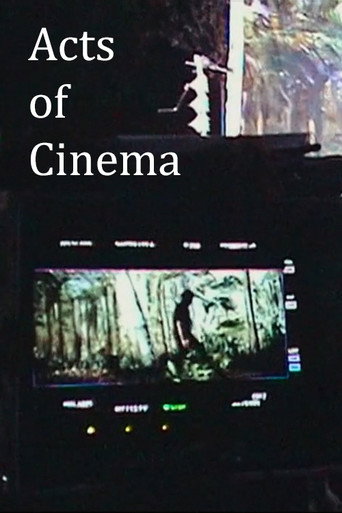
Acts of Cinema
Cinema and affections from life in images and what goes on outside the frame. 'Snapshots' of shootings and the present-day memory of directors, actors and technicians.
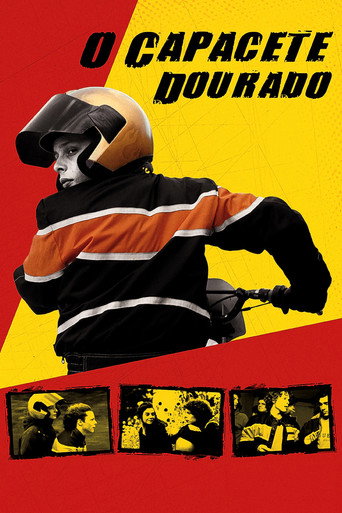
O Capacete Dourado
The darkness of night, a barely lit place, motorbikes flirting with danger: a group of teenagers at a crossroads playing chicken with unaware passing cars. Jota (Eduardo Frazão) stands out from this group, unclassifiable; his destiny has no straight lines save those on the asphalt. Jota lives in permanent conflict with everything and everybody in his small town. No room for stillness. And then comes Margarida (Ana Moreira). Jota has no inside, Margarida has no outside. In spite of, or because of, that, they meet. What can they do? They can just ride, they can get away with it even if its all messed up. Love is to be lived.
Production
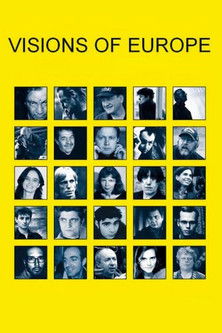
Visions of Europe
Twenty-five films from twenty-five European countries by twenty-five European directors.
In Favour of Light
Portrait of Pedro Cabrita Reis, one of the most important artists of the young generation in Portugal as seen by one of the most famous woman director of her generation! Pedro Cabrita Reis has an important body that fills the screen with power. He creates spaces of huge dimensions where poetry rises. The documentary culminates with his participation in the last Venice Bienal with two gigantic light structures.
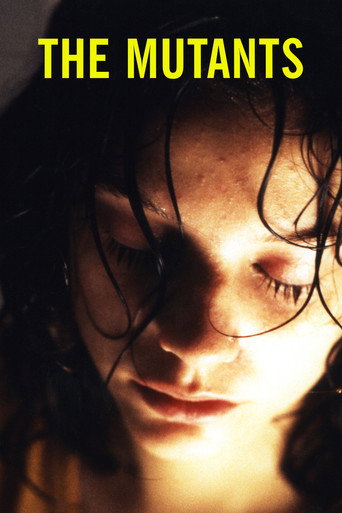
The Mutants
Three homeless teenage rejects struggle to survive together. Of them, Andreia is pregnant, while Pedro and Ricardo hustle, steal and are exploited by a pornographer.
The Mutants
Three homeless teenage rejects struggle to survive together. Of them, Andreia is pregnant, while Pedro and Ricardo hustle, steal and are exploited by a pornographer.

Trance
Sonia, a girl from St. Petersburg, decides to seek a better life in Western Europe. She first gets a job at a car dealer in Germany. But she is suddenly kidnapped and sold into sexual slavery. She will be dragged from country to country and resistance will only bring her misery and humiliation.

Water and Salt
Ana lives in a little village by the sea, with her husband and daughter. He decides to leave for a few days. That seems to be the ideal solution, because Ana needs to finish a work she has been doing for a long time. But her concentration seems threatened when she starts doing her daily walks by the village and the beach: she saves a stranger from death in the sea, meets young Alexandre and Emilia, and her friend Vera turns up in her house. And then, everything changes…
Water and Salt
Ana lives in a little village by the sea, with her husband and daughter. He decides to leave for a few days. That seems to be the ideal solution, because Ana needs to finish a work she has been doing for a long time. But her concentration seems threatened when she starts doing her daily walks by the village and the beach: she saves a stranger from death in the sea, meets young Alexandre and Emilia, and her friend Vera turns up in her house. And then, everything changes…
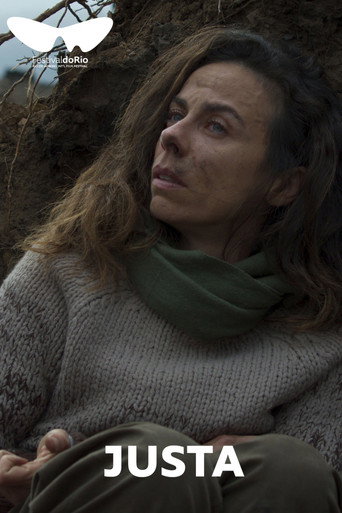
Justa
In 2017, in Portugal, devastating wildfires destroyed forests and killed children and adults; some died in their villages, others were trapped on a road. Communication failed, and the villages had no shelters. The film’s action does not take place in 2017, but at a later time. It follows a small group of people who lost their dearest ones and are now in the process of learning how to live after everything they have lost.
Two Brothers, My Sister
This dark and intense drama follows the slow and painful destruction of a young, passive woman as she watches her family fall apart. Maria is the shy and dutiful daughter upon whose shoulders the family traumas have fallen. In addition to a regular job she cooks, cleans, and studies. Her parents offer no assistance as her father is blind, with a tendency towards violence when drinking. His wife, the focus of his violence is terribly unhappy. After a particularly brutal beating, Maria's brothers rise up against the father and end up leaving the home. It is up to Maria to try to bring the factions together. Maria's pressures increase after she calmly stabs her boss during an attempted rape, and then copes with her mother's suicide.
Justa
In 2017, in Portugal, devastating wildfires destroyed forests and killed children and adults; some died in their villages, others were trapped on a road. Communication failed, and the villages had no shelters. The film’s action does not take place in 2017, but at a later time. It follows a small group of people who lost their dearest ones and are now in the process of learning how to live after everything they have lost.
Gallery