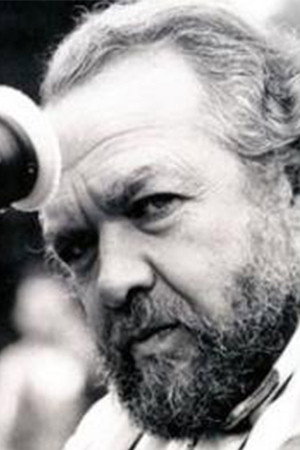
Teo Escamilla Movies, TV Shows, and Filmography
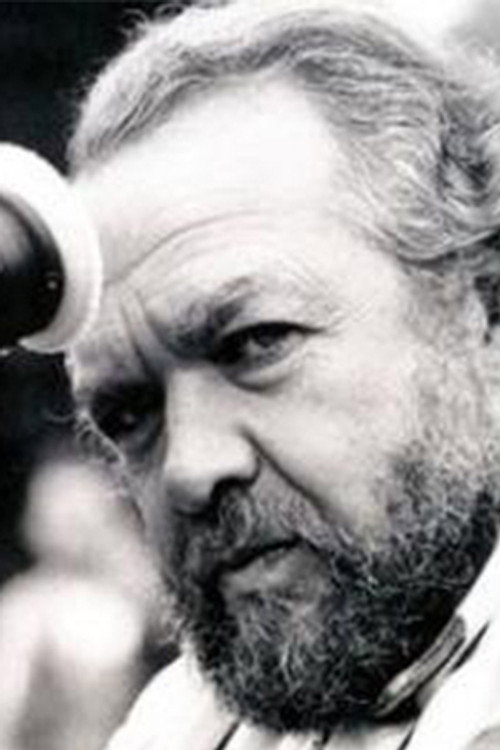
Teo Escamilla
Camera
Biography
Teodoro Escamilla Serrano; Seville, 1940 - Matanzas, Cuba, 1997 Spanish cinematographer. In contrast to directors of photography who were concerned above all with creating their own style, Teo Escamilla was always in favor of a patient craftsmanship in cinematographic lighting that allowed him to adapt it, scene by scene, to the director's vision and to the specific story. He began his professional career as a photojournalist for publications such as Cine en 7 días, El Caso, the Madrid newspaper and the magazine Sábado Gráfico, and later as a television operator. In 1964 he became assistant cameraman on Llegar a más (1964, Jesús Fernández Santos) and the regular second operator for Luis Cuadrado, his mentor and teacher, whom he succeeded after his retirement due to illness in 1976 as director of photography on the films produced by Elías Querejeta. He debuted as first operator in Las violentas (1974, Fernando Miranda), to later take over from Juan Antonio Ruiz Anchía in El desencanto (1976, Jaime Chávarri), and from then on developed an intense work that would make him one of the most outstanding operators in Spanish cinema. He frequently worked on films by filmmakers such as Carlos Saura, Jaime Chávarri, Jaime de Armiñán (with whom in 1979 he founded the production company A punto, later Serva Films), Víctor Erice, José Luis Borau and Manuel Gutiérrez Aragón, among others. For Carlos Saura's El amor brujo (1986), he received the Goya award for best cinematography. After directing two short films, Quiero ser mayor (1976) and an episode of the collective film Cuentos para una escapada (1979), in 1983 he debuted as a feature film director with Tú solo, a story set in the world of bullfighting, which received the Special Mention for best new director at the San Sebastian International Film Festival, although his career as first director did not continue.
Filmography Movies
Production
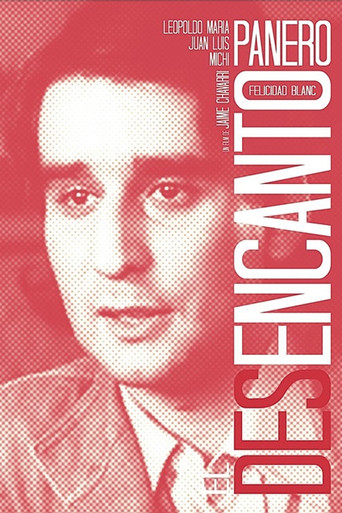
The Disenchantment
This film is a documentary about the poet Leopoldo Panero. His widow and his sons talk about death in general in this special case, and also about their own family problems.
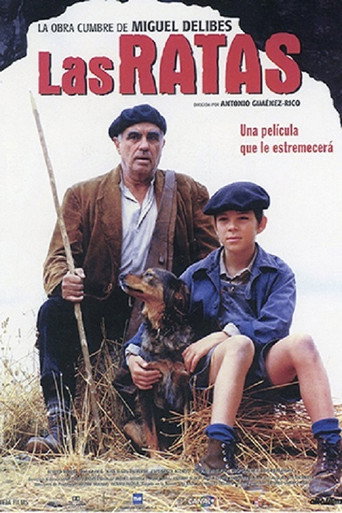
The Rats
In the mid-fifties, El Nini lives in the poorest and most forgotten rural Castile (Spain). He is a child with no more knowledge than those provided by nature. El Nini lives with his father in a cave, and with him he devotes himself to the hunting of water rats, the only means of subsistence they know. But when they are tried to deprive them of their roof and their livelihood, violence will erupt uncontrollably.
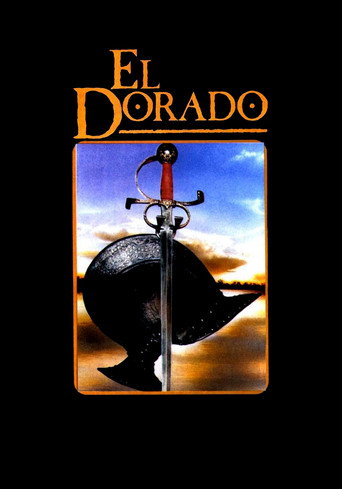
El Dorado
The story of an expedition down the Orinoco and Amazon rivers in 1560 by Spanish soldiers searching for the fabled city of gold, El Dorado.
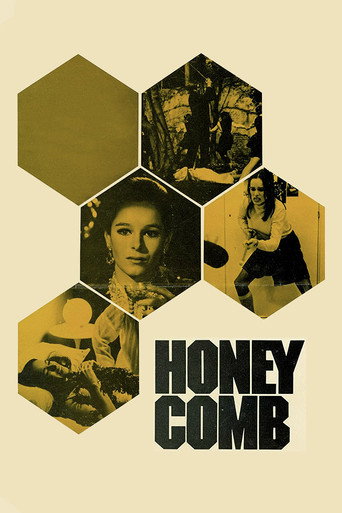
Honeycomb
Teresa and Peter settle down in their new home after the wedding. Things are going well until her childhood furniture arrives, sending Teresa into horrible flashbacks of turmoil from memories of her youth.
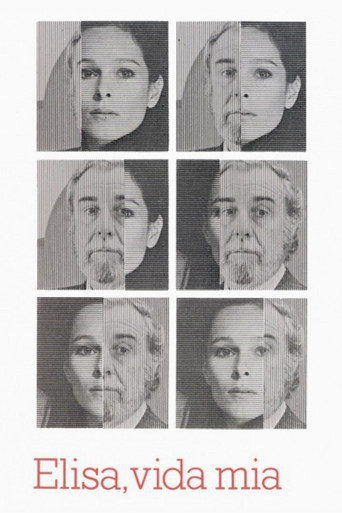
Elisa, My Life
Elisa has not seen her father Luis for nine years, but she receives a telegram from her sister Isabel in a moment of crisis in her marriage with Antonio telling that her father is ill. Elisa decides to travel to the countryside of Madrid with Isabel and her brother-in-law Julián and their two children to visit Luis for his birthday. Elisa decides to stay with her father when her sister returns to Madrid with her family and she gets closer to Luis, understanding why he left her mother years ago. Later she tells him that Antonio cheated on her with her best friend Sophie and their relationship has ended. When Antonio unexpectedly arrives in the house, Elisa makes a decision about her life.
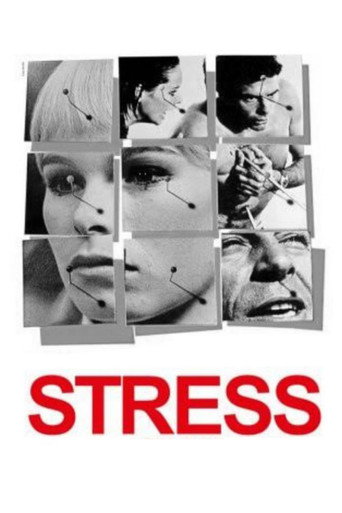
Stress Is Three
Set in one-day, three people embark together on a car trip from Madrid to Almeria. Antonio (Cebrián) is a successful industrialist, however he is dismayed that his personal life does not reflect his glittering career. He is insecure about his faltering marriage to Teresa (Chaplin), whom he believes is having an affair with his best friend, Antonio (Galiardo).
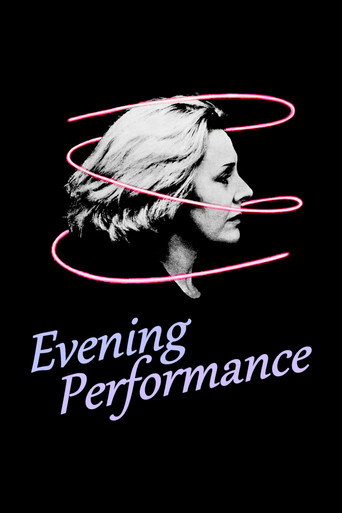
Evening Performance
In a dressing room of the theater where she performs a play by Miguel Delibes, actress Lola Herrera has a long conversation with actor Daniel Dicenta, from whom she has been separated for several years.
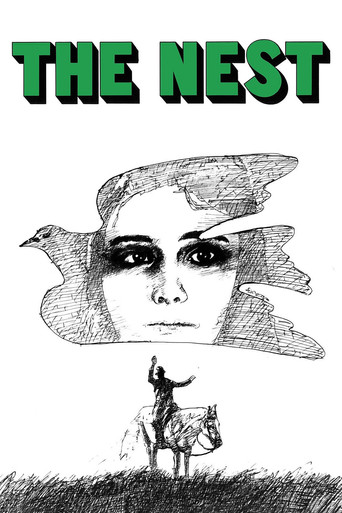
The Nest
In a town near Salamanca, an eccentric widower, aged 60, is captivated by an imp, a precocious 13 year old. Alejandro is wealthy and alone, passing time with music, chess, and his shotgun. Gregoria (Goyita) the daughter of a weak-willed policeman and his bullying wife, is a budding naturalist who conspires to meet Alejandro. Even though he knows the village is talking, Alejandro spends time with Goyita, on walks, horseback rides, and dinners. He's enchanted and tells his friend the village priest that he's living for the first time. Goyita makes new demands on Alejandro, and he must decide how to be true to his ethics and to this Platonic yet highly-charged relationship.
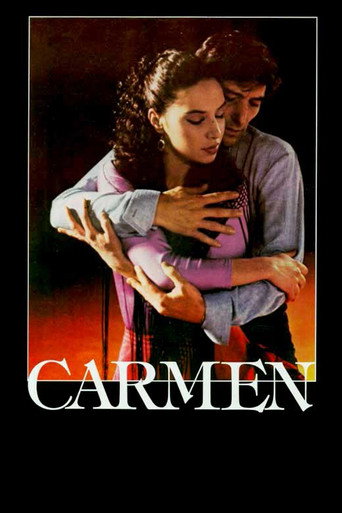
Carmen
While rehearsing a flamenco ballet adaptation of Bizet's opera “Carmen”, Antonio, the choreographer, falls in love with the main dancer, Carmen, a fiercely independent woman. Antonio is slowly consumed by jealousy and possessiveness towards Carmen, just like Don José in the original opera, blurring the lines between fiction and reality.
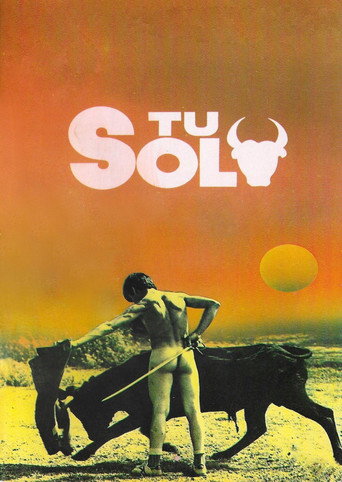
You Alone
In their spare time, after their studies or their work, children and adolescents between the ages of eight and sixteen meet at the School of Bullfighting in Madrid to learn the Art of Cúchares: Torear. In their stomachs there is no hunger as in the past, their dreams do not lie in having a farmhouse and being famous. Their only dreams are to be in front of a bull, animal with which death goes, fact of which they are fully aware, as their teachers continually remind them. These, retired bullfighters, some by age, others by force and all with their bodies full of scars produced by the horns of a bull. The nude bullfighting scene is fascinating without being exploitive, and it serves as an analogy for the vulnerability these young bullfighters have when in the ring with the bulls.
Gallery