Directing
No biography available.
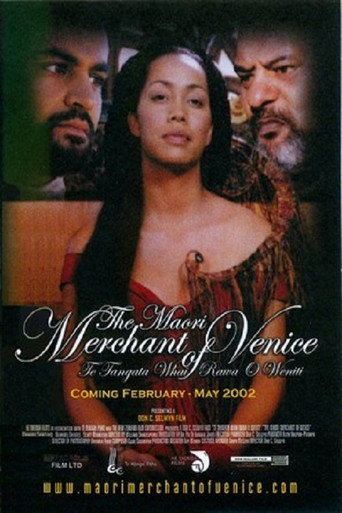
A modern day take on the classic bard tale - with Silver as a movie producer.
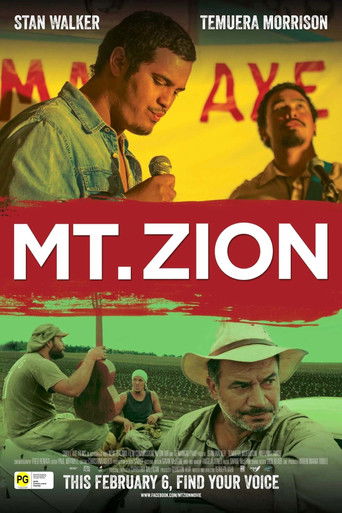
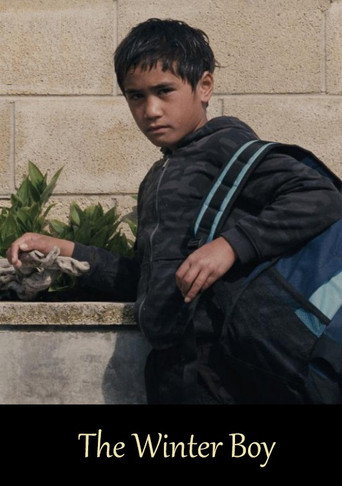
Turei, a talented young musician, dreams of his band winning the audition to be the support act for Bob Marley’s 1979 concert in Auckland. Part of a Māori family of contract potato pickers in Pukekohe, Turei’s desperate ambition clashes with his whanau’s traditional values, leading to an emotional showdown and powerful change.
Stories of Waitara combines oral histories, state of the art animations and powerful dramatic re-enactments to bring to life the narratives of Te Ātiawa in their epic battle against the military might of the British Empire. Created and presented by award-winning journalist Mihingarangi Forbes NZ Wars: Stories of Waitara documents the epic battle for control over the fertile lands of Taranaki. Shared through the eyes of Te Atiawa descendants including Dr Ruakere Hond with insights from acclaimed historian Dr Vincent O'Malley this digital documentary project focuses on the beginning of the Taranaki wars which started in Waitara and raged across the region for over two decades. The Taranaki pa site of Pukerangiora holds a significant place in New Zealand's military history as a lasting symbol of Maori resistance and resilience. Pukerangiora is now the backdrop for the latest installment of RNZ's award-winning docu-series on the bloody birth of modern New Zealand.
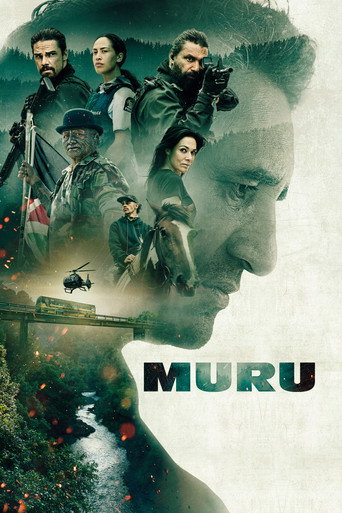
Inspired by actual events, MURU is the story of a local Police Sergeant ‘Taffy’ Tāwharau, who must choose between duty to his badge or his people, when the Government invoke antiterrorism powers to launch an armed raid on Taffy’s remote Urewera community, on a school day. This gripping action drama is not a re-creation, but a response to the 2007 Tūhoe raids. MURU is a Māori concept for 'forgiveness’.
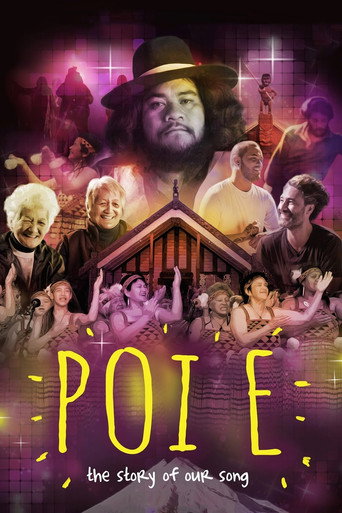
Written and directed by Tearepa Kahi (Mt Zion) and starring Maaka Pohatu (The Modern Maori Quartet, Two Little Boys) the film tells the story of musician Dalvanius Prime and the origin of the song “Poi E”, a ground-breaking fusion of 1980s pop and traditional Māori music. “Poi E”, composed by Dalvanius and Ngoingoi Pēwhairangi and performed by the Patea Māori Club, remains the only song in Te Reo Māori to reach No 1 in the charts, over 30 years since its 1984 release.
A mother tries to comfort her grieving son, but on each attempt her son’s silence becomes more and more deafening. An outing to the local aquarium places further strain on their troubled relationship - until her son finds a reason to let his mother in again.