Tchavdar Georgiev Movies, TV Shows, and Filmography
Tchavdar Georgiev
Directing
Biography
Tchavdar Georgiev is an Emmy-nominated filmmaker and a member of ACE (American Cinema Editors). He edited the two times Emmy-nominated “Valentine Road” (HBO) as well as “Finders Keepers,” both of which premiered at Sundance. He wrote, co-produced and edited “Off The Rails” (Hot Docs, Full Frame, Sundance Channel) that won many awards including DOC NYC FF. He directed and edited together with Dana Berry for Nat Geo “Finding the Next Earth” and edited the Emmy-nominated “Alien Earths.” He also edited on “The American Meme” (Tribeca FF, Hot Docs, Netflix Original). He has also written, produced, directed or edited for BBC, History Channel, USA Network, STARZ and Amazon Studios.
Filmography Movies
Production
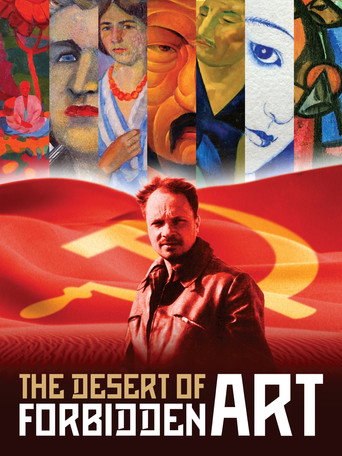
The Desert of Forbidden Art
How does art survive in a time of oppression? During the Soviet rule artists who stay true to their vision are executed, sent to mental hospitals or Gulags. Their plight inspires young Igor Savitsky. He pretends to buy state-approved art but instead daringly rescues 40,000 forbidden fellow artist's works and creates a museum in the desert of Uzbekistan, far from the watchful eyes of the KGB. Though a penniless artist himself, he cajoles the cash to pay for the art from the same authorities who are banning it. Savitsky amasses an eclectic mix of Russian Avant-Garde art. But his greatest discovery is an unknown school of artists who settle in Uzbekistan after the Russian revolution of 1917, encountering a unique Islamic culture, as exotic to them as Tahiti was for Gauguin. They develop a startlingly original style, fusing European modernism with centuries-old Eastern traditions.
The Desert of Forbidden Art
How does art survive in a time of oppression? During the Soviet rule artists who stay true to their vision are executed, sent to mental hospitals or Gulags. Their plight inspires young Igor Savitsky. He pretends to buy state-approved art but instead daringly rescues 40,000 forbidden fellow artist's works and creates a museum in the desert of Uzbekistan, far from the watchful eyes of the KGB. Though a penniless artist himself, he cajoles the cash to pay for the art from the same authorities who are banning it. Savitsky amasses an eclectic mix of Russian Avant-Garde art. But his greatest discovery is an unknown school of artists who settle in Uzbekistan after the Russian revolution of 1917, encountering a unique Islamic culture, as exotic to them as Tahiti was for Gauguin. They develop a startlingly original style, fusing European modernism with centuries-old Eastern traditions.
The Desert of Forbidden Art
How does art survive in a time of oppression? During the Soviet rule artists who stay true to their vision are executed, sent to mental hospitals or Gulags. Their plight inspires young Igor Savitsky. He pretends to buy state-approved art but instead daringly rescues 40,000 forbidden fellow artist's works and creates a museum in the desert of Uzbekistan, far from the watchful eyes of the KGB. Though a penniless artist himself, he cajoles the cash to pay for the art from the same authorities who are banning it. Savitsky amasses an eclectic mix of Russian Avant-Garde art. But his greatest discovery is an unknown school of artists who settle in Uzbekistan after the Russian revolution of 1917, encountering a unique Islamic culture, as exotic to them as Tahiti was for Gauguin. They develop a startlingly original style, fusing European modernism with centuries-old Eastern traditions.
The Desert of Forbidden Art
How does art survive in a time of oppression? During the Soviet rule artists who stay true to their vision are executed, sent to mental hospitals or Gulags. Their plight inspires young Igor Savitsky. He pretends to buy state-approved art but instead daringly rescues 40,000 forbidden fellow artist's works and creates a museum in the desert of Uzbekistan, far from the watchful eyes of the KGB. Though a penniless artist himself, he cajoles the cash to pay for the art from the same authorities who are banning it. Savitsky amasses an eclectic mix of Russian Avant-Garde art. But his greatest discovery is an unknown school of artists who settle in Uzbekistan after the Russian revolution of 1917, encountering a unique Islamic culture, as exotic to them as Tahiti was for Gauguin. They develop a startlingly original style, fusing European modernism with centuries-old Eastern traditions.
RiseUp
Rise Up is a journey into the heart of Jamaica - the island that gave birth to the worldwide cultural phenomenon of Reggae. In a society where talent abounds and opportunity is scarce, three distinct and courageous artists fight to rise up from obscurity and write themselves into the pages of history. With music and appearances by legends Lee "Scratch" Perry, Sly Dunbar and Robbie Shakespeare, and a slew of soon-to-be superstars, Rise Up follows artists in the dangerous streets, back alleys and crowded dance halls of Kingston and the countryside. These artists demonstrate the raw power of hope and courage in a land which is largely unseen, but certainly not unsung.
Surrender
An erotic drama that submerges an innocent new arrival to the City of Angels in the intoxicating double life of her charismatic lesbian dominatrix housemate.
Bastards
A "Hitlerjugend" kind of story, set in the Soviet Union during the Second World War, based on a fictitious story from the eponymous book by Vladimir Kunin.
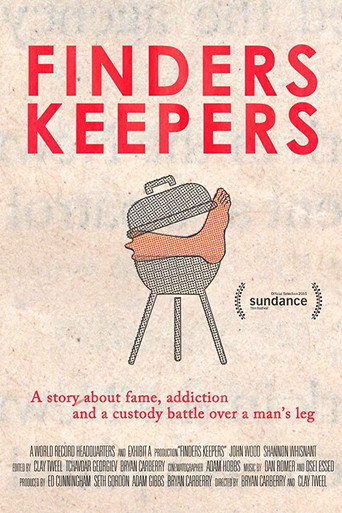
Finders Keepers
In this documentary, recovering addict and amputee John Wood finds himself in a stranger-than-fiction battle to reclaim his mummified leg from Southern entrepreneur Shannon Whisnant, who found it in a grill he bought at an auction and believes it therefore to be his rightful property.
Pause of the Clock
This meta-cinematic coming-of-age drama centers around two roommates who secretly dream about one another. While Rob is off shooting a film, Dylan discovers Rob's diary and begins to see his friend in a new light. The reality of their lives and the fiction of the movie-within-the-movie begin to intertwine to reveal a story about the power of friendship and creativity alike.
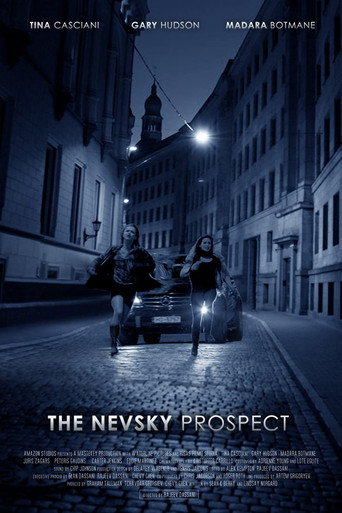
The Nevsky Prospect
After photo journalist Melissa Maldari's father disappears after a meeting with a Russian mail order bride she travels to Russia to find the truth about her father and the underworld of human trafficking.