Tawfiq Al-Deqen Movies, TV Shows, and Filmography
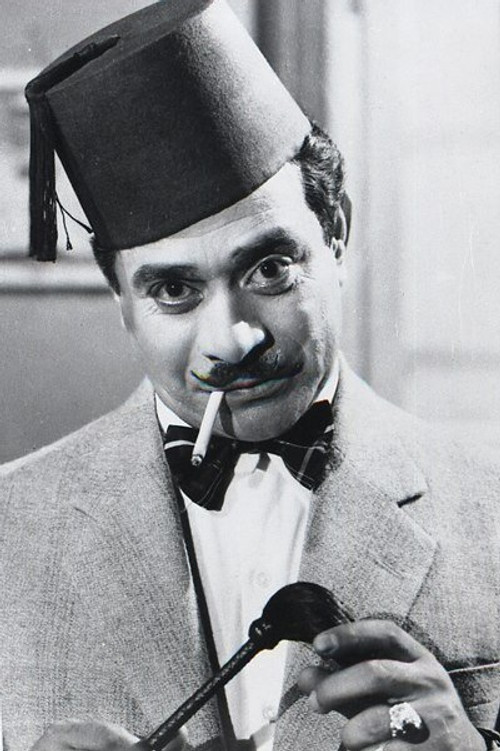
Tawfiq Al-Deqen
Acting
Biography
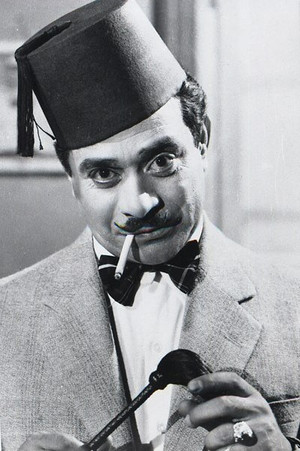
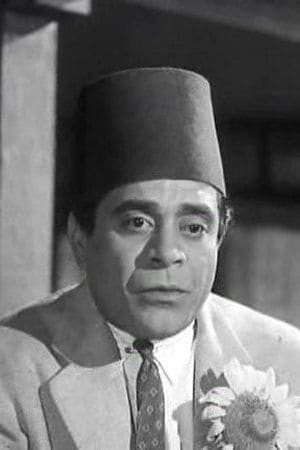
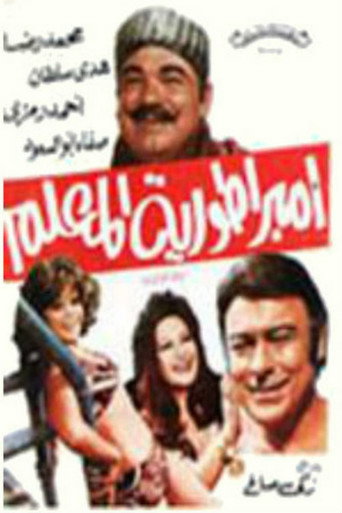
Tawfiq Ameen Muhammad Ahmad al-Sheikh Al Deqen was born in the village of Horeen in Berket al-Sab’ Monoufeyya (delta of Egypt). He graduated from the High Institute of Dramatic Arts in 1950. His career started when he was still studying when he played the role of a peasant and then participated in “Dhohoor al-Islaam" (The appearance of Islam) in 1951. Seven years after his graduation, Tawfik joined the Free Theatre Troupe. He also worked with Esma’eel Yasseen in his troupe then joined the National Theatre where he remained member of its troupe until the end of his life. In the National Theatre, he presented “’ Aaelat al-Doghry" (The Dodgers), “Bedaaya wa nehaaya" (Dead among the living), “Sekkat al-salaama" (The safe way), “Al-Mahroussa" i.e. The Blessed”, “’ Afareet Masr al-gedeeda i.e. The demons of Heliopolis”, “Al-farafeer” where he excelled. , “Mash-had men al-guesr" (View from the bridge), “Hesbet Berma" (Berma calculation)”, “Al-naass elly taht" (Downstairs people), “ Kahayal al-dhell" (Shadow plays), “Solaymaan al-Halaby” and “Beer al-sellem" (Stairwell). He was very popular in playing the evil scoundrel role in a very special manner that was assisted by his features thus making him one of the best Arab actors in such roles. As Tawfik grew older his roles changed. He played the role of the helpless father in “’Ala baab al-Wazeer” and the peasant’s role in “Kharaga wa lam ya’od" (Out and never back). His on-screen phrases became idioms in Egypt and all over the Arab world; “Ahla men al-sharaf mafeesh,” “Hambaka” and “Alo ya Omam”.
Filmography Movies
Acting
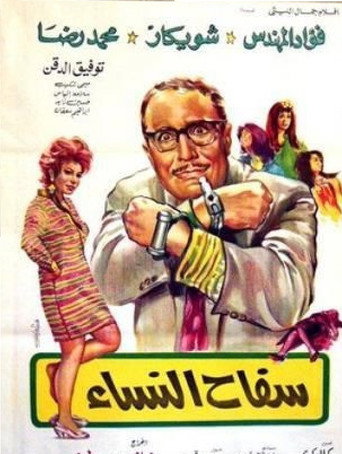
Serial Killer of Women
Desperate for a fresh story, a journalist decides to look into a mysterious wave of murders in which the victims are all women.
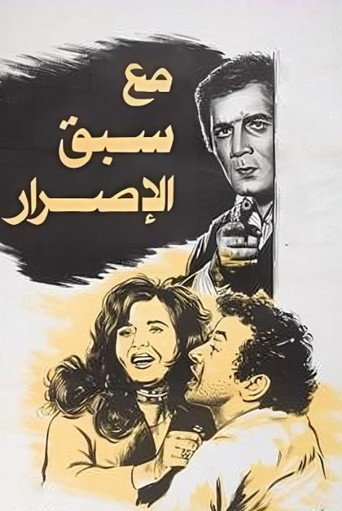
Premeditated
A husband is shocked that after having a baby, he realizes that he is infertile.
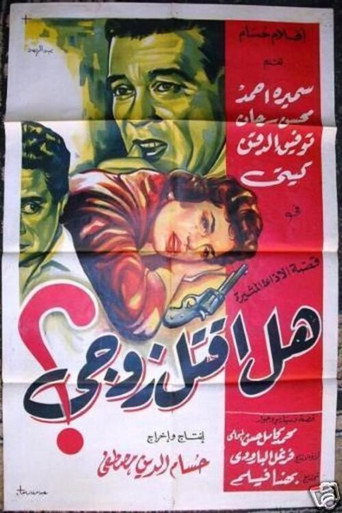
Shall I Kill My Husband?
As the husband goes out for work, a man sneaks into the house and informs the wife that her husband is a murderer and a fugitive from justice. He makes her choose between signing a contract selling him one of her buildings, or having him report her husband.
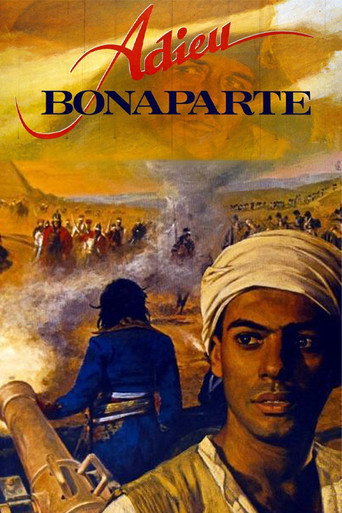
Adieu Bonaparte
This big-budget historical epic from acclaimed Egyptian director Youssef Chahine features a crazed turn by Patrice Chereau as Napoleon Bonaparte. The film, an Egyptian-French co-production, deals with Napoleon's occupation of Alexandria and its effect on a typical Egyptian family. Michel Piccoli leads the cast as a general in Napoleon's army who tentatively befriends a local poet and falls in love with two young Egyptian brothers, reflecting complex themes of colonial desire, affection, and personal connection.
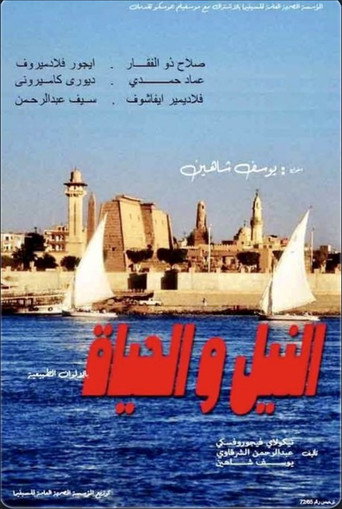
The Nile and the Life
Renegotiating the representational paradigm of nationhood the film draws a heterogeneous picture of Egyptian society as well as Soviet workers as they embarked on the momentous dam enterprise. The films presents a vision of a nation deep rooted in unity as well as diversity. The films projection of a renewed imagining of the nation inadvertently acknowledges a new and nuanced understanding of its goals, political objectives, and how these impact the personal within it. (KHOURI)
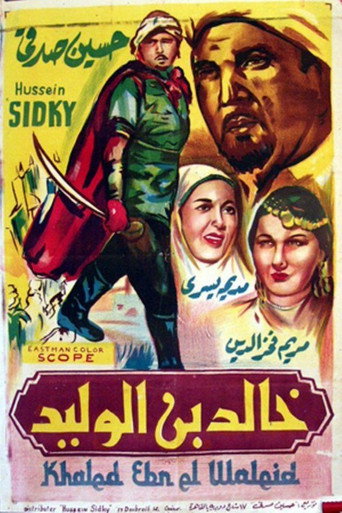
Khalid ibn el Walid
The story of Khalid Ibn Al-Walid (592-642) the greatest military leader in the dawn of Islam during the life of prophet Muhammad and his caliphs Abu Bakr and Omar.
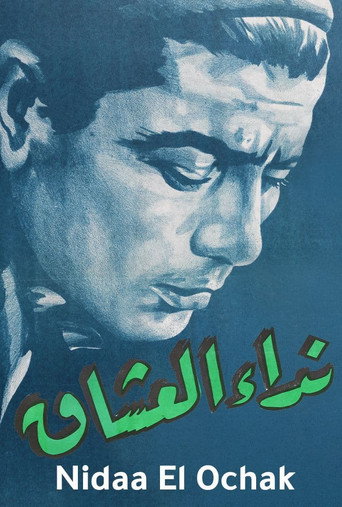
Lovers' Call
Beautiful dancer Warda finds herself homeless. She finds a job at a cotton ginning plant. She loves Abdo who runs the plant, and she kills the elderly Shahawi, the plant owner who wanted to assault her and runs away with Abdo, while Metwally, the owner's son chases them.
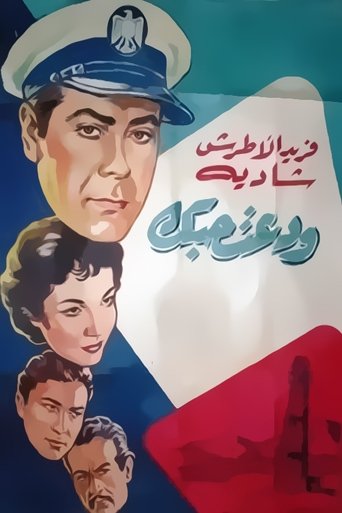
Farewell, Love
Navy officer Wahid arrives in a military hospital, with a kidney failure, his days are numbered. The inmates try to cheer him up , while his nurse gets closer to him, and soon kindness turns to love.
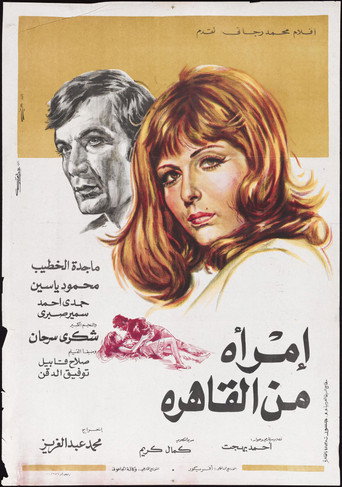
A Woman from Cairo
The tragic life of a woman, Mona, as she divorces her opportunistic husband and gets engaged to Sherif, a tourist company owner. She is in for more tragedies as he decides to emigrate following the defeat in the 1967 War. Mona then crosses paths with Mahmoud. Will it be another heartbreak for her?
Gallery