Tarmo Männard Movies, TV Shows, and Filmography

Tarmo Männard
Acting
Biography
Tarmo Männard (born January 11, 1968) is an Estonian actor. Männard went to a kindergarten named after Valentina Tereshkova in Tallinn. He studied 1974-1977 at the 39th Secondary School in Tallinn, 1977-1982, 1982-1985 at the Keila-Joa Sanatorium Forest School and 1985-1987 at the 9th Secondary School in Tallinn. He studied acting at the Tallinn Pioneers and Koolinoorte Palace Theater Circle (Pioneeride Theater, directed by Maret Oomer) and at the Estonian Music Academy's Higher Performing Arts School (1990-1994, tutor Ingo Normet). He has worked as a window washer at TK Ekspress, as a recording equipment mechanic at Tallinnfilm, as a waiter at the Soviet Army Pigalle, as an actor at the Tallinn City Theater in 1994-2001. From 2002 to 2018, he was an actor at NUKU Theatre. Since then, he has been a freelancer and works mainly in Nipi Mängumaa, which he created himself. As an actor, he has participated, for example, in the Kellerteatr production "School of Horrors". In 1995, he ran for the VIII Riigikogu on the list of the Four Forces of the electoral alliance formed by the Estonian Greens and the Estonian Royalist Party, collecting 104 votes, but was not elected.
Filmography Movies
Acting
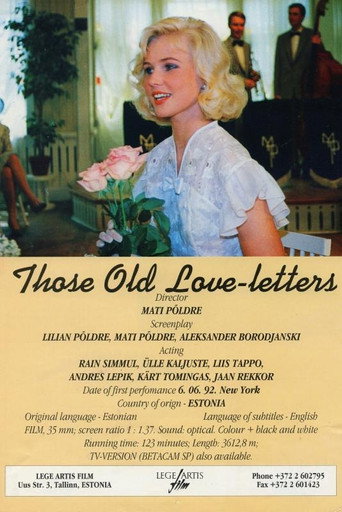
Those Old Love-letters
A film about the life of Raimond Valgre, an Estonian songwriter and singer of the 1930s and 40s, the political changes of his country and his life after the war when his songs were considered not suitable for the Soviet way of life.
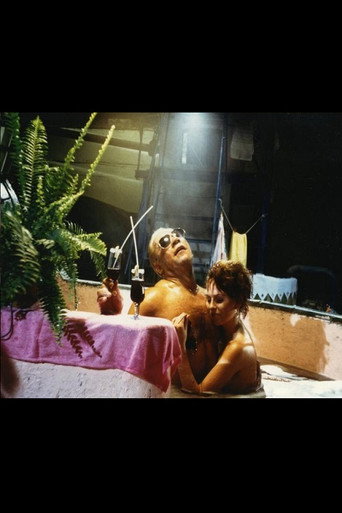
American Mountains
A former goldminer who has run afoul of the law is made an unusual offer by the mafia. The power of money and popularity among women won't let him step down from the rollercoaster in order to make the right decisions.
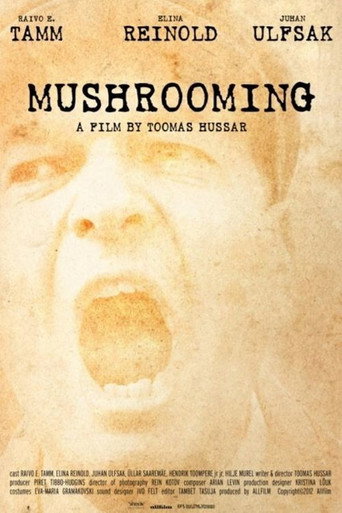
Mushrooming
Politician Aadu Kägu goes to the mushroom forest with his wife Viivi to rest his nerves from the reputation campaign. They are joined by a voter, penniless rock star Zäk. In order to avoid common mushroom forests, they drive to some countryside at random. Soon the trio discovers that they are lost, at the same time a media scandal breaks out - the investigative press suspects that Kägu has misused state money. The fight for honor, life and death begins, both in the forest and in the city.
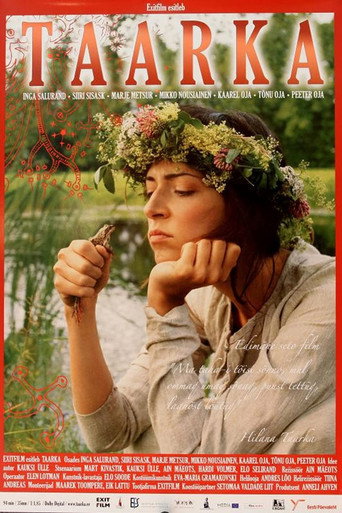
Taarka
The first film in the Seto language in the world speaks about the brightest heroine of a small people, the folk singer Hilana Taarka, a woman who lived her whole life as an outcast in a small chimney-less hut; as an unmarried mother of children in poverty, begging her bread, doing odd jobs and singing. She always sang the truth, sometimes bitter, sometimes funny, sometimes cruel. She was feared, despised and coveted. Taarka sang throughout her remarkable life, throughout her fate, from a small Seto village to international fame. And she sang well. Really well. Taarka became the Mother of the Song, a legend. But as a woman, as a member of the community, the Seto people never really accepted her. Taarka - a despised woman and a worshiped singer.

Frank & Wendy
Two American secret agents - Frank and Wendy - are sent to the world's hotbed of danger, known as Estonia. Estonia is a silly place, perhaps even sillier than the agents themselves. Frank and Wendy, for whom saving the world is their daily work, achieve both mental and manual feats with the greatest of ease. It appears that nothing can prevent their ultimate victory, but go figure. The axis of evil does not wither and attacks the super-agents from where they can least expect it...

Christmas in the Jungle
Moving from Latvia to exotic Indonesia has proven to be quite a challenge for Paula’s (10) family. Her Mother has a hard time adapting to the country. Her sister, Kate (14), is entering puberty, and her Father’s workaholic nature is causing tension in the family. Luckily, the local boy Akhim (12) offers a ray of hope by telling Paula about special Shaman living in the jungle who has a superpower to bring Christmas everywhere. That must be Santa Claus himself! Kids join on a joyful adventure to find Christmas in the Jungle!
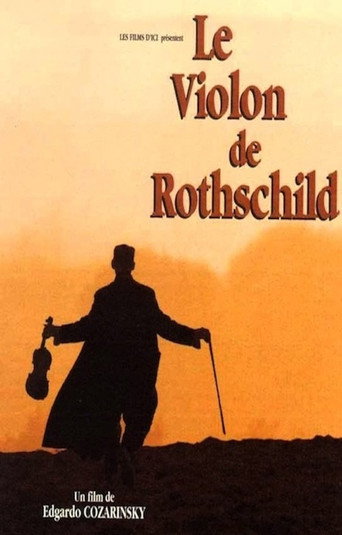
Rothschild's Violin
1938: Shostakovich encourages his pupil Fleischmann to write an opera based on the Chekhov story 'Rothschild's violin'. Fleischmann is killed during the siege of Leningrad. Shostakovich completes the orchestration, but in 1948 is advised to suppress the opera, during Stalin's campaign against "rootless cosmopolitans". Jewish motifs enter Shostakovich's own work.
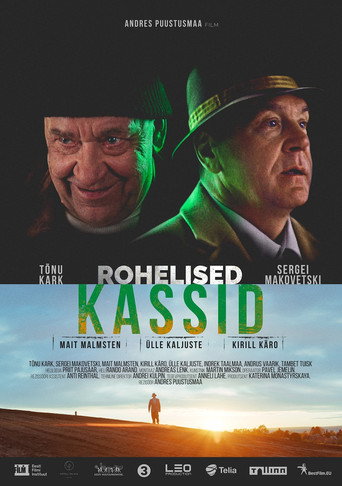
Green Cats
This is a story of two old folks, who have spent most of their lives behind prison walls. Now, as seventy year old men, they have been granted amnesty. Both men have a passionate desire to change their lives according to certain plans.
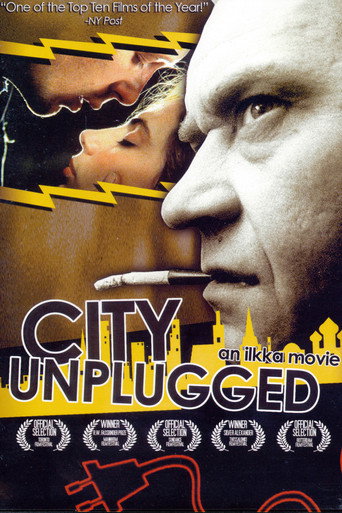
City Unplugged
In August, 1991, Estonia reclaims its independence from the USSR and brings to its national bank nearly $1 billion in gold bullion hidden in Paris for 50 years. Russian mobsters have a bold plan to hijack the gold after shutting down the capital's power at midnight
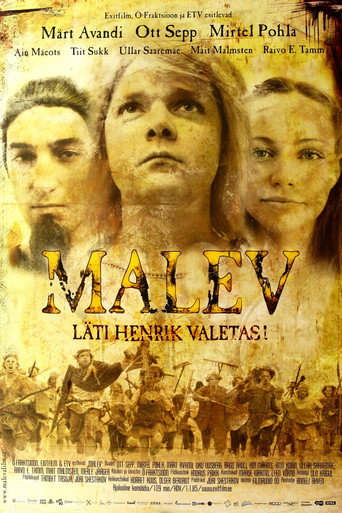
Men at Arms
Year 1208. The first Eastward enlargement of Europe is under way. Brutal forces of the Teutonic Order are steadily marching on. In their path live a simple and peaceful people, whose main pastimes include cultivating the earth, singing and, if possible, doing both at the same time. They are the Estonians. Ignorant in the ways of war, they find an unlikely leader in a young boy with Catholic upbringing. In their fight for freedom, the Estonians encounter numerous obstacles, including the Germans, French, Russians and, worst of all, the Latvians. Will they succeed in defeating their enemies or will they experience a cultural awakening?
Gallery