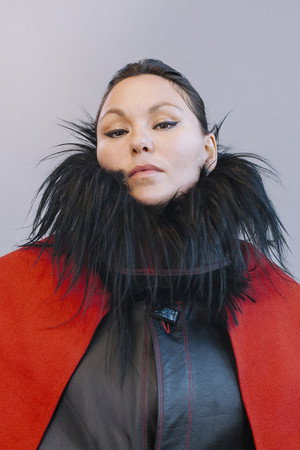
Tanya Tagaq Movies, TV Shows, and Filmography
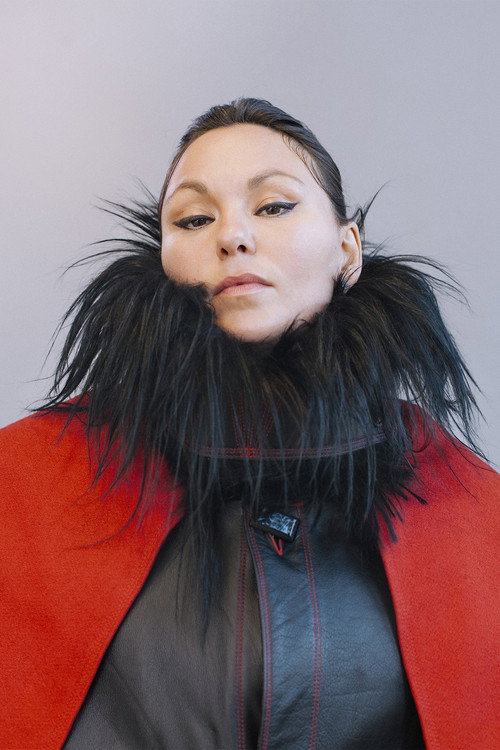
Tanya Tagaq
Sound
Biography
“Tagaq doesn’t so much sing as plug herself into the Earth.” – Pitchfork From Nunavut, Tanya Tagaq is an improvisational singer, avant-garde composer and author. A member of the Order of Canada, a Polaris Music Prize and JUNO Award winner and recipient of multiple honorary doctorates, Tagaq is an original disruptor, a world-changing figure at the forefront of seismic social, political and environmental change. In its many forms, Tagaq’s art challenges static ideas of genre and culture, and contends with themes of Indigenous Rights, colonialism, environmentalism, racism and violence against women and girls, in particular MMIWG (Missing and Murdered Indigenous Women and Girls). Tagaq’s bestselling, award-winning debut novel, Split Tooth, has been translated into German and French. A full-length feature documentary on Tanya’s life, career and art is currently in production. Split Tooth on stage, a collaboration with Kaneza Schaal and Christopher Myers, is scheduled to debut in Dusseldorf and BAM in 2021. Tagaq has collaborated and recorded with Saul Williams, Kronos Quartet, Bjork, A Tribe Called Red, Buffy Sainte-Marie, Fucked Up and more. She has composed pieces for the Kronos Quartet and the Toronto Symphony Orchestra and created a sound installation for the National Maritime Museum in London. Tagaq has performed at many prestigious international festivals, including Dark Mofo, Bonnaroo, Big Ears, the Helsinki Festival, Aarhus and many more, and venues such as Carnegie Hall and the Lincoln Center. From CBS’s 60 Minutes to NPR, Pitchfork, Rolling Stone, The Guardian and more, Tagaq’s music and writing has been covered by major publications in the USA, UK, Europe and beyond.
Filmography Movies
Acting
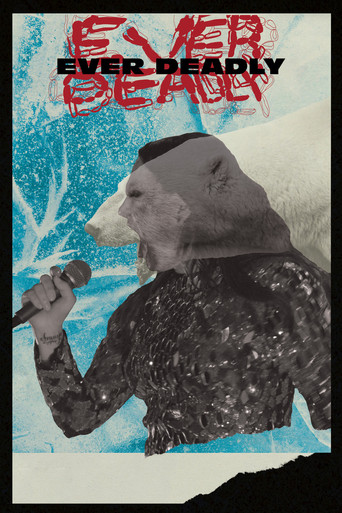
Ever Deadly
Ever Deadly weaves concert footage with stunning sequences filmed on location in Nunavut, seamlessly bridging landscapes, stories and songs with pain, anger and triumph—all through the expressions of Tanya Tagaq, one of the most innovative musical performers of our time.
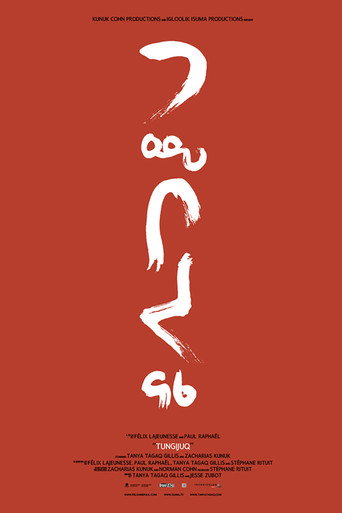
Tungijuq
A thought-provoking meditation on the seal-hunt and what it means to the traditional way of life for the Inuit.
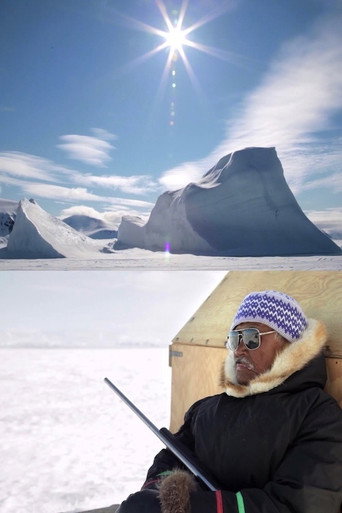
Sirmilik
Director Zacharias Kunuk explores Sirmilik National Park, near the Nunavut community of Pond Inlet, through the voice of an Inuit elder. Winner "Best Short Documentary" 2012 Genie Awards.
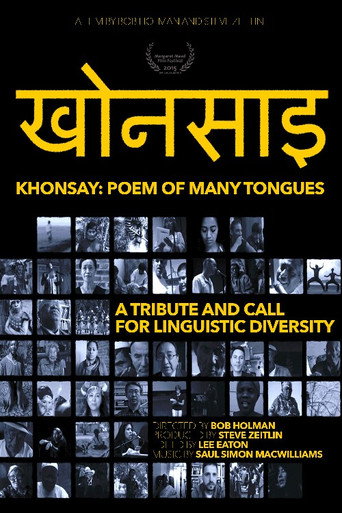
Khonsay: Poem of Many Tongues
A tribute and call to action for linguistic diversity. A 15-minute motion poem (poem on film), each line comes from a different treasure or minority language. 48 speakers each speak in their mother tongues, as line by line, language by language, the poem is created.
Production
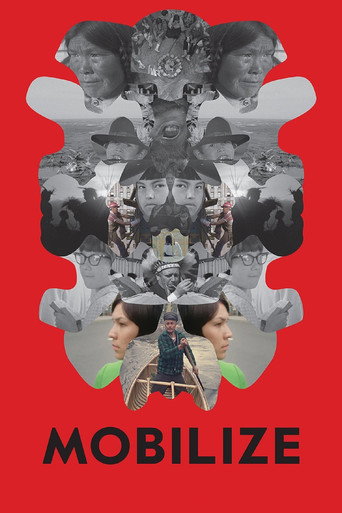
Mobilize
A journey by canoe into the city creates a dynamic interconnection between natural and urban spaces, in this evocative short set to a hypnotizing soundtrack by Inuk artist Tanya Taqaq.
Ever Deadly
Ever Deadly weaves concert footage with stunning sequences filmed on location in Nunavut, seamlessly bridging landscapes, stories and songs with pain, anger and triumph—all through the expressions of Tanya Tagaq, one of the most innovative musical performers of our time.
Ever Deadly
Ever Deadly weaves concert footage with stunning sequences filmed on location in Nunavut, seamlessly bridging landscapes, stories and songs with pain, anger and triumph—all through the expressions of Tanya Tagaq, one of the most innovative musical performers of our time.
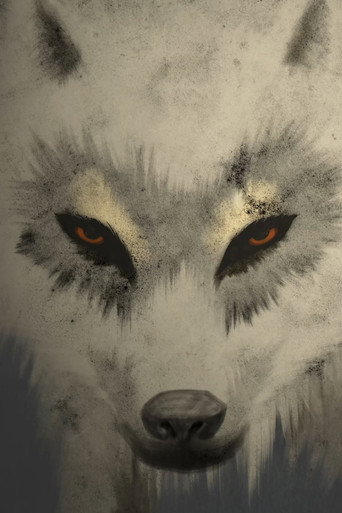
Teeth Agape
A mother wolf stalks us, snarls, baring her teeth, and eventually attacks. Do not underestimate her power. The fight for survival has strengthened her to protect her young.
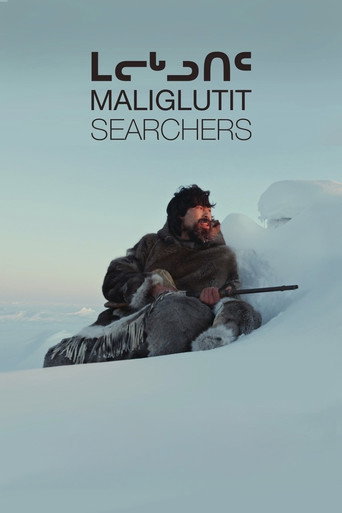
Searchers
Inuk filmmaker Zacharias Kunuk (Atanarjuat: The Fast Runner) returns with this Arctic epic inspired by the classic John Ford western of the same name, about a vengeful husband who sets off in pursuit of the violent men who kidnapped his wife and destroyed his home.
Mobilize
A journey by canoe into the city creates a dynamic interconnection between natural and urban spaces, in this evocative short set to a hypnotizing soundtrack by Inuk artist Tanya Taqaq.
Mobilize
A journey by canoe into the city creates a dynamic interconnection between natural and urban spaces, in this evocative short set to a hypnotizing soundtrack by Inuk artist Tanya Taqaq.
Amaqqut Nunaat: The Country of Wolves
It begins as an average hunting trip for two young men, but when they find themselves lost, the only safe haven to be found for miles—a mysterious village filled with the sounds of drum dancing and revelry—turns out to be even more dangerous than the frigid ocean.
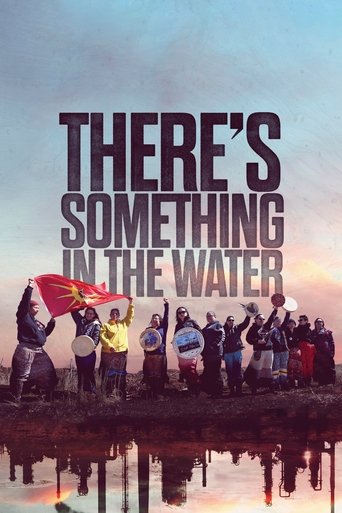
There's Something in the Water
Elliot Page brings attention to the injustices and injuries caused by environmental racism in his home province, in this urgent documentary on Indigenous and African Nova Scotian women fighting to protect their communities, their land, and their futures.
I Was Here
Jeffrey Gibson’s I Was Here (2018) mixes documentary and dramatic styles and centers on Macy, a transgender woman and a member of the Choctaw Nation. Blurring the lines between a mystical, natural setting and Macy’s daily reality, Gibson’s film examines the private and personal routines of transformation and self. The film’s location, the Choctaw reservation in central Mississippi where Gibson’s family is from, plays a significant role in the film’s blend of spirituality, ritual, and the fantastical. The film was commissioned by the Ruth and Elmer Wellin Museum of Art at Hamilton College for Gibson’s 2018 exhibition This Is the Day.
Gallery