Acting
No biography available.
Screen adaptation of the story of the same name by Anna Paityk.
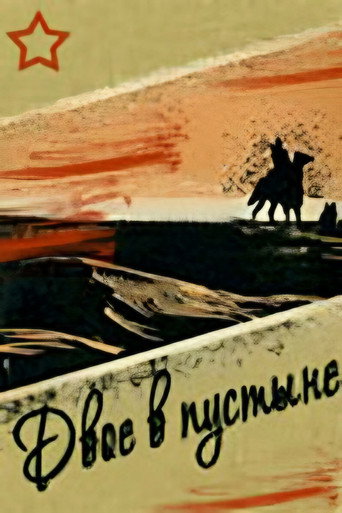
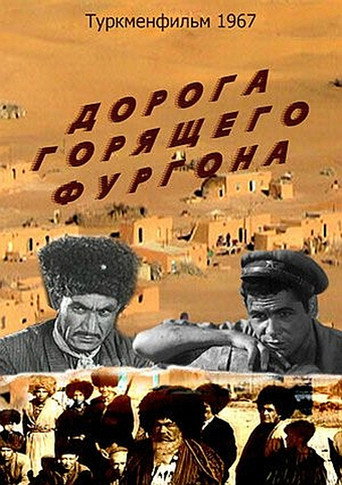
The action takes place in the 1920s in Central Asia. Red Army soldier and his prisoner Basmachi rebel get lost in the desert...
The red commander Mirsharapov was sent to fight the Basmachi gang in Khiva. After the fighting, Junaidkhan's gangs are defeated.
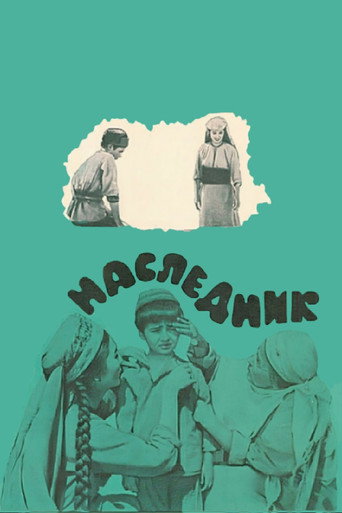
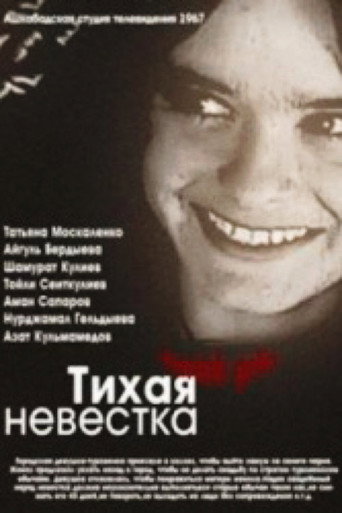
A city girl from Turkmenistan came to a collective farm to marry her boyfriend. The groom suggested returning to the city to avoid having a wedding according to strict Turkmen customs. The girl refused, wanting to win the approval of the groom’s mother.
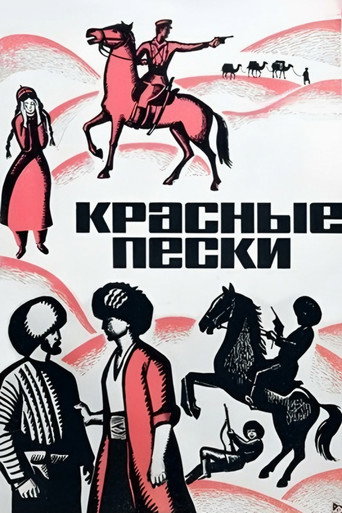
...Komsomol member Begench, who served in the army, and his fellow villager Vellek, whom they met in the city, return to the village. The kulaks, led by Kuiki and his son Cherkez, run everything in the village. They are turning people against the collective farm, sabotaging the sowing campaign. The Basmachi kill the chairman of the collective farm. Residents of the village rise up to fight. In the battle with the Basmachi, many of them die. Nevertheless, the supporters of the collective farm system are victorious and go out into the field in the spring.
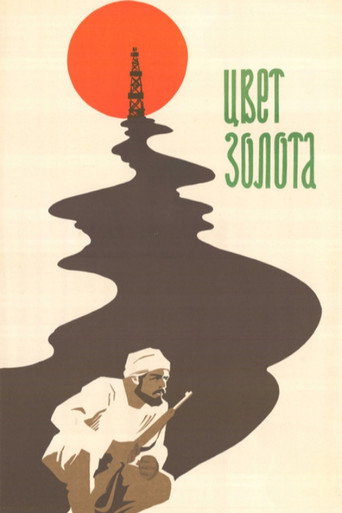
The end of the 1920s. A young oil engineer, Ovez Emudov, arrives in the Karakum Desert to search for oil. The lack of drinking water, necessary equipment, and workers in the barren steppes, as well as the open sabotage of the trust's employees led by Mukhortov, a staunch enemy of the Soviet government, are all factors that the head of the exploration site must contend with. The film is dedicated to the 50th anniversary of the Turkmen Soviet Socialist Republic.
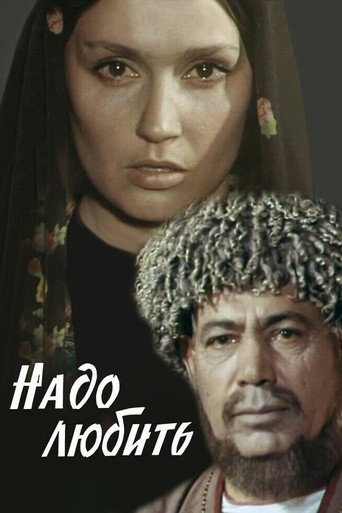
The film tells about the people who built a full-flowing river in the very heart of the Black Desert — the Karakum Canal, linking the waters of the Amu Darya and the Caspian Sea. Life and work in the desert are far from easy, yet the film focuses not on the harshness of everyday life but on the moral atmosphere within the working collective.