Tanja Schmidbauer Movies, TV Shows, and Filmography
Tanja Schmidbauer
Editing
Biography
No biography available.
Filmography Movies
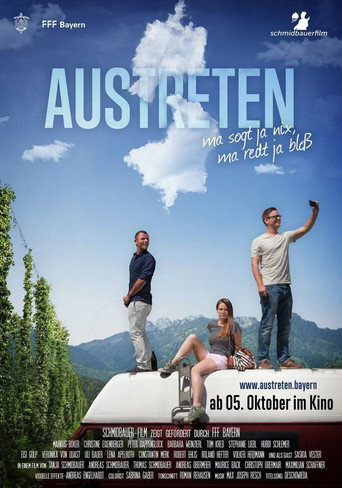
Production
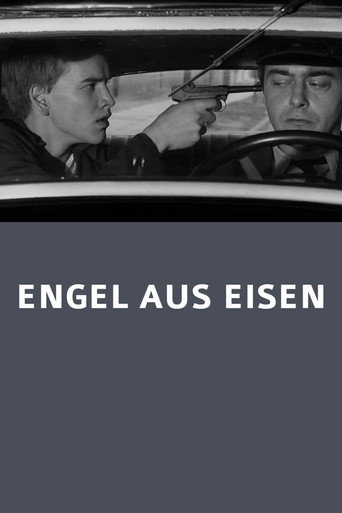
Angels of Iron
The subject of this historical drama is a splintering Berlin in the years of 1948 and 1949. Played against the backdrop of social upheaval, the characters in the drama come to epitomize the best and worst of each pole of the political sphere. A 17-year-old hoodlum by the name of Gladow works hand-in-glove with a local white-collar criminal to rob and pillage every day and night, defying capture. While he and his gang of thugs are terrorizing the people of Berlin, the Soviets are trying to make the blockade of their region of control impermeable. The future casts long shadows over the drama, as Berlin's problems take the shape of times to come.
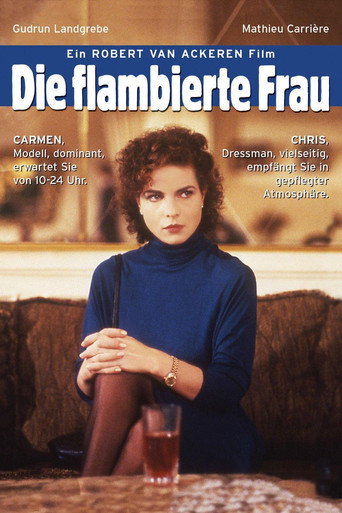
A Woman in Flames
Eva, an upper-class housewife, frustratedly leaves her arrogant husband and decides to enter the call girl business. She lets Yvonne, a prostitute, teach her the basics and both set out for prey together, until Eva starts an affair with Chris, who turns out to be a call boy, as well. Consequently, she moves into his penthouse, large enough for both to offer their services separately.
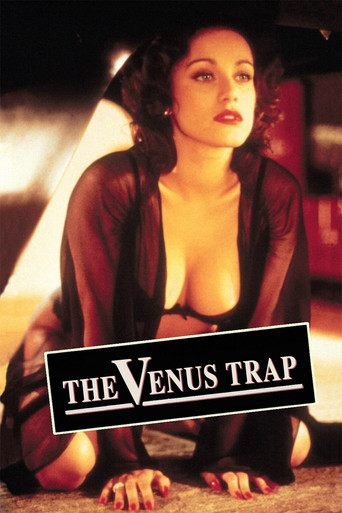
The Venus Trap
The 30-years old Max is MD and engaged to the attractive Coco, who jealously keep watch over him. After he heard the lovely voice of an unknown misdialing woman, he starts a restless search ...
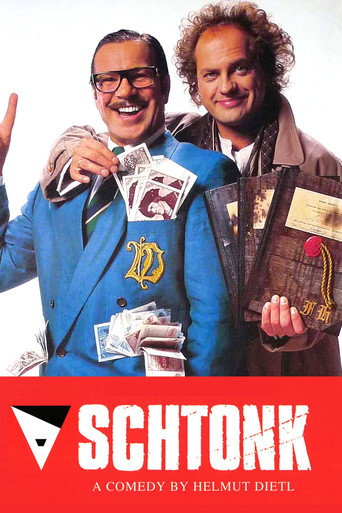
Schtonk!
Schtonk! is a farce of the actual events of 1983, when Germany's Stern magazine published, with great fanfare, 60 volumes of the alleged diaries of Adolf Hitler – which two weeks later turned out to be entirely fake. Fritz Knobel (based on real-life forger Konrad Kujau) supports himself by faking and selling Nazi memorabilia. When Knobel writes and sells a volume of Hitler's (nonexistent) diaries, he thinks it's just another job. When sleazy journalist Hermann Willié learns of the diaries, however, he quickly realizes their potential value... and Knobel is quickly in over his head. As the pressure builds and Knobel is forced to deliver more and more volumes of the fake diaries, he finds himself acting increasingly like the man whose life he is rewriting. The film is a romping and hilarious satire, poking fun not only at the events and characters involved in the hoax (who are only thinly disguised in the film), but at the discomfort Germany has with its difficult past.
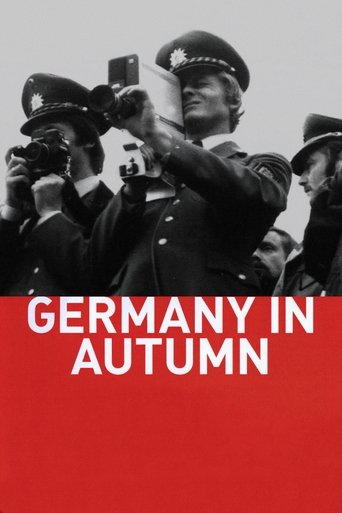
Germany in Autumn
Nine fictitious documentaries and films reflect the mood of late 1970s Germany, particularly the two-month period in 1977 when a businessman was kidnapped by the RAF (Red Army Faction). The kidnap had been made to orchestrate the release of the original leaders of the RAF, aka the Baader-Meinhof.
Protocol of a Revolution
The story of a revolution in a Caribbean insular state.
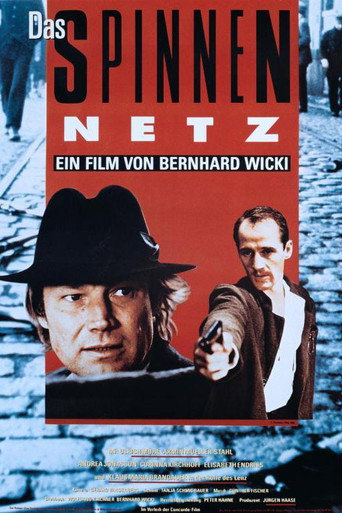
Spider's Web
Ulrich Mühe plays a German businessman who was born completely without scruples. This makes him an eminently suitable candidate for success in the chaotic years after World War I. The shameless man's story is contrasted with that of his polar opposite, a Jewish anarchist.
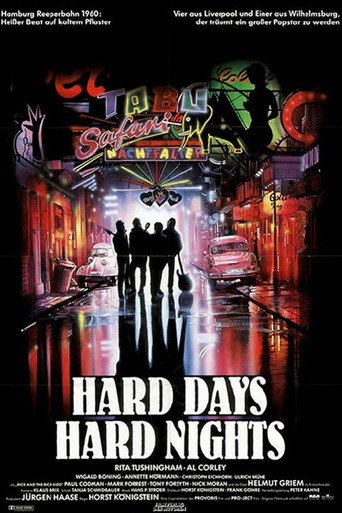
Hard Days, Hard Nights
Hamburg 1960: The Liverpool band "Rick and the Rich Kids" and their manager, the young American Chris, arrive in the land of the economic miracle with high hopes.
Car Race
Short film about car racing.
Everyman's Feast
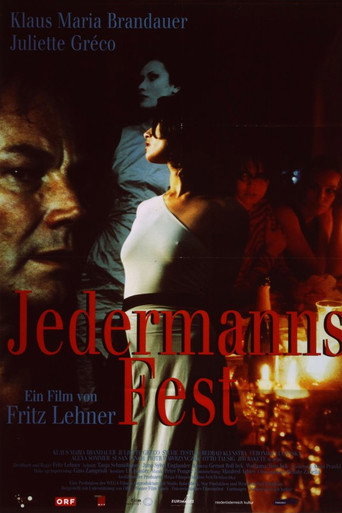
Austrian television director Fritz Lehner makes his feature debut with the big-budget drama Jedermann's Fest, based on the 1911 play by Hugo von Hofmannsthal, which in turn was based on a medieval tale. Originated in parts of England, the myth of Jan Jedermann ("John Everyman") deals with a rich man on his deathbed coming to terms with his life's failures. Not following much of a plot, the modernized version involves famous fashion designer Jedermann (Klaus Maria Brandauer) imagining his last big gala event while rendered unconscious as a result of a car accident in his Ferrari. He is a success in Vienna but not in fashionable Paris, so he wishes to impress French elder stateswoman Yvonne Becker (Juliette Greco).