Tamás Vayer Movies, TV Shows, and Filmography
Tamás Vayer
Art
Biography
No biography available.
Filmography Movies
Production
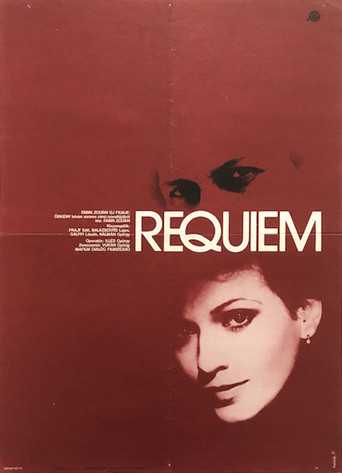
Requiem
When a young boy comes in to see a doctor abourt a red mark on his face, the doctor's wife welcomes him into the consulting room instead. As they talk, she offers him something to eat and then notes that his manner of eating is just like that of her previous husband, who died in prison many years earlier. It turns out that the young man had been his cell mate for a year, and he tells her the story of how her husband died. She then remembers (in flashbacks) how she had helped her first husband rid himself of his sexual repression, and how she had promised him she would marry her current husband if she were widowed. It seems her doctor-husband was a man who could remain untouched through any political climate, and was much admired by her first husband. Now that her memories have been awakened by the young man's account, she ignores the repeated phone calls of her current husband and decides to rid this young man of his own sexual repressions.

Gangster Film
1979. Gábor H. works in a law enforcement institution. He robs a bank branch, gets into jail. 1989. Gábor H. and the similarly unemployed Sanyi want to get money by robbing.

The Kangaroo
Istvan Varju a.k.a. Kanya is a track driver. He drives alone on the roads and listens to the radio. We're In the middle of seventies, the radio broadcasts hungarian beat music. He is convinced that interesting and significant events in the life happen on the roads, so we should go, go and go in order not to miss something.
Loophole
In the week of the book an interview is made with the writer Péter Simon, whose first book of short stories appeared in the prime of his life.
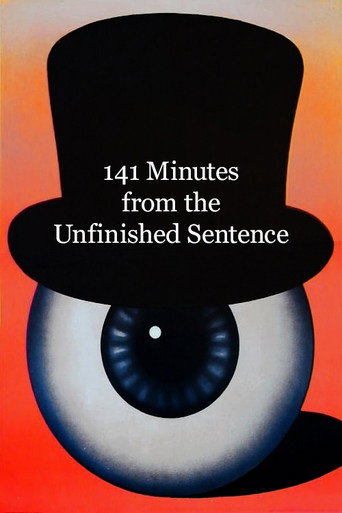
141 Minutes from the Unfinished Sentence
This lavishly spectacular film focuses on the character of Lőrinc Parcen Nagy from the 1200-page Tibor Déry novel interwoven with numerous autobiographical elements. Lőrinc Parcen Nagy is the offspring of an upper middle class family, whose life is marked by two violent deaths: the suicide of his father and the slaughter of an innocent worker. He breaks with his family and his mother in disgust; she is of weak character, a person who abandoned her own husband. He is also unable to discover the right tone with his colleagues and his lover who is an illegal party worker.
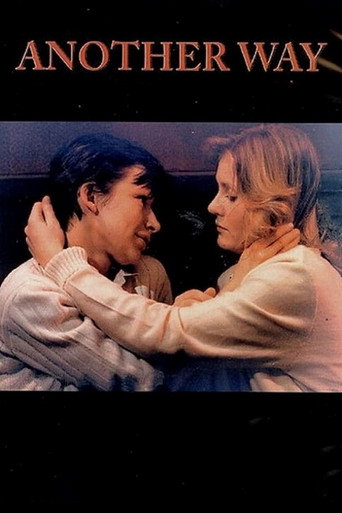
Another Way
Political and sexual repression in Hungary, just after the revolution of 1956. Passionate and determined, Eva gets a job as a journalist. There, she meets Livia and is attracted to her. Livia feels much the same, but as a married woman, has doubts and hesitations. In their work, they (and Eva in particular) bang up against the limits of telling political truths; in private, they confront the limits of living out sexual and emotional truth.
Another Way
Political and sexual repression in Hungary, just after the revolution of 1956. Passionate and determined, Eva gets a job as a journalist. There, she meets Livia and is attracted to her. Livia feels much the same, but as a married woman, has doubts and hesitations. In their work, they (and Eva in particular) bang up against the limits of telling political truths; in private, they confront the limits of living out sexual and emotional truth.
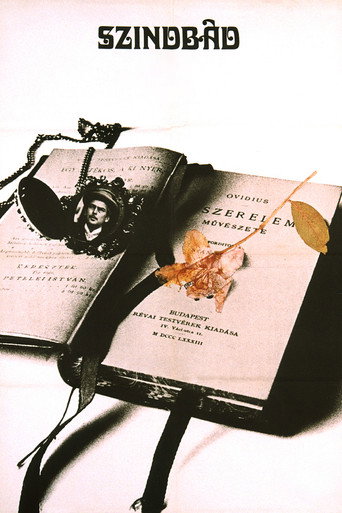
Sinbad
Based on the stories of Hungarian writer Gyula Krúdy, this film is a lush and sensuous depiction of the life, loves and memories of serial seducer Szindbád. As the protagonist looks back on his life, past and present, imagination and reality flow inseparably into one another.
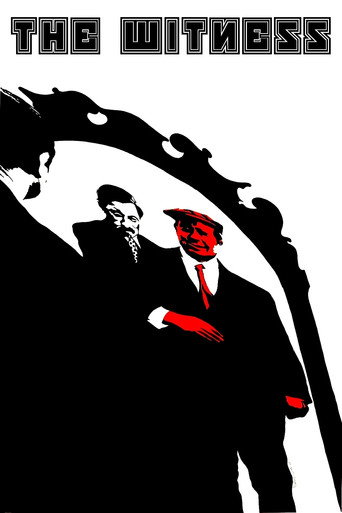
The Witness
Hungary, 1950s. József Pelikán, who works as a dam keeper on the Danube, meets by chance Zoltán Dániel, an old friend whom he saved from death years before and who is now a powerful politician.
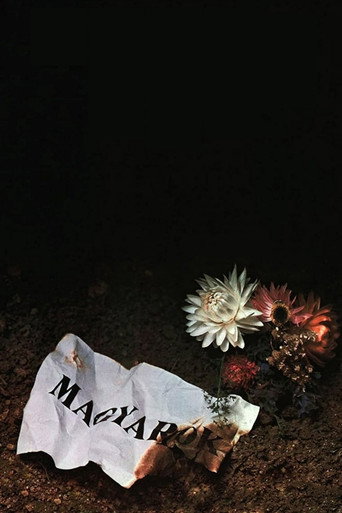
Hungarians
A group of landless Hungarian peasants accept work as migrant-laborers on a farm in northern Germany where the wages are good, and the wives and family are allowed to accompany them. Though it is in the midst of World War II, they are relatively well-off. However, they glimpse the treatment accorded to POWs and others who are not so gently treated, and at the conclusion of the year's harvest, they choose to return to Hungary and are quickly swept up in the tides of war. This film is part of a series of films by award-winning, well-respected director Zoltan Fabri who devoted much time and effort chronicling the struggle against fascism.