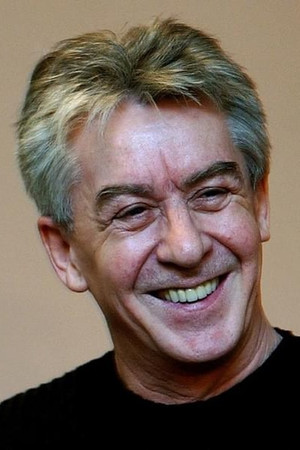
Tamás Cseh Movies, TV Shows, and Filmography
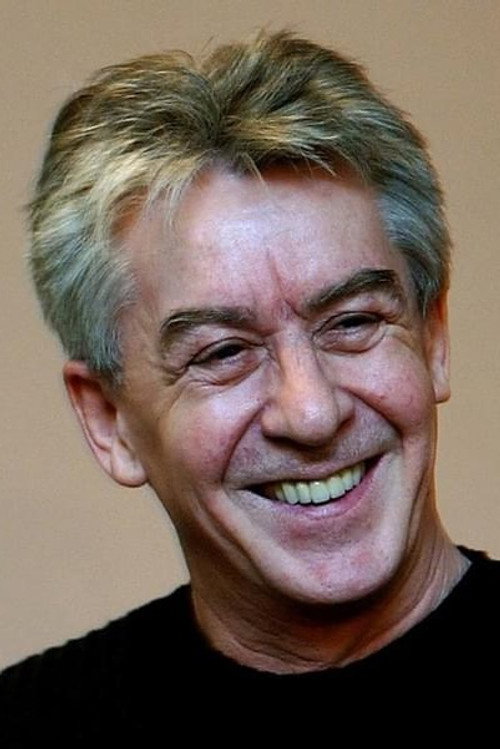
Tamás Cseh
Acting
Biography
No biography available.
Filmography Movies
Acting
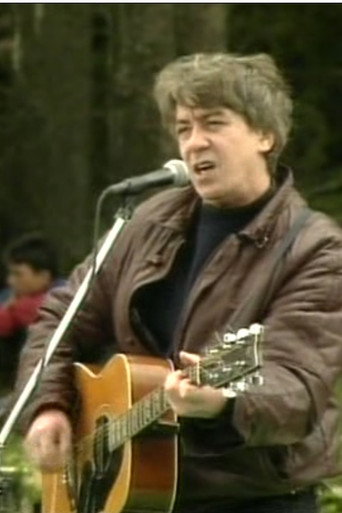
Micsoda útjaim
Live concert at Madarasi Hargita
Rockfogyatkozás
The documentary-television director duo Jolán Árvai and László Sántha, while making an entertaining documentary-report montage about the rock life of the period between 1957 and 1973, were mainly curious about how and why the movement's sad metamorphosis began. What intention and what mechanism of action resulted in the withering away and slow death of progressive trends; the most vital ones becoming manipulable and commercialized? The filmmakers do not tell the answer, and they do not tell anyone. They leave it up to the viewer to decide whether they want to answer at all. Because if not, the seventy-five minutes of Rockfogyatkozás will still pass quickly. It carries within itself the possibility of a multi-part series offering an optional experience, with which several layers of viewers can be satisfied at the same time.
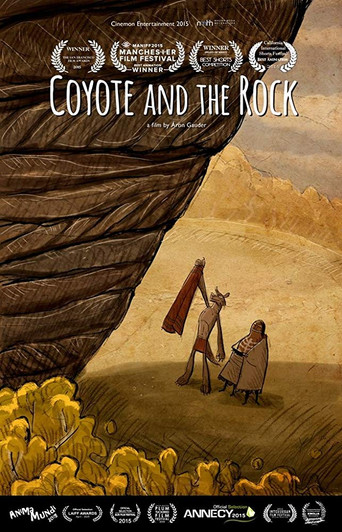
Coyote and the Rock
The story of Coyote, Iktome, and the Rock is about generosity. The film takes us into the spectacular and magical universe of Native American folklore following the adventures of the two famous mischief-makers of the Great Plains getting into trouble as they bid defiance to Iya, the sleeping magic rock.
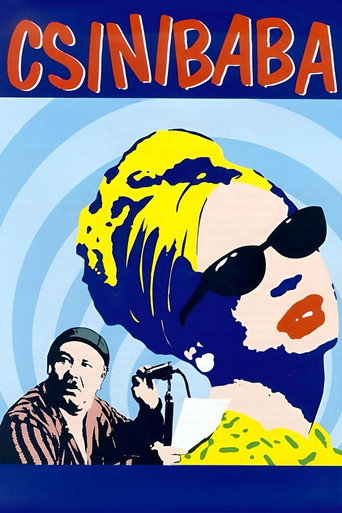
Dollybirds
The movie is set in the actual "Ki Mit Tud?" talent contest in 1962. In reality the contest in dance music category was won by an army brass band. "Omega" which later became one of the most successful Hungarian rock bands came out in the second place.
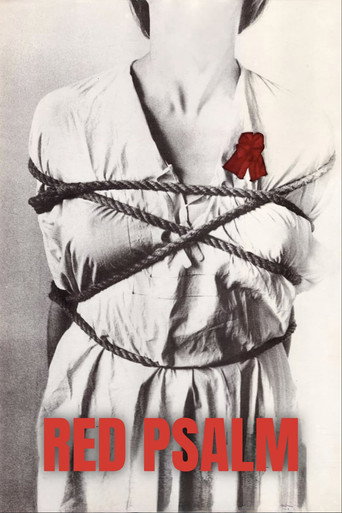
Red Psalm
Set in the 1890s on the Hungarian plains, a group of farm workers go on strike in which they face harsh reprisals and the reality of revolt, oppression, morality and violence.
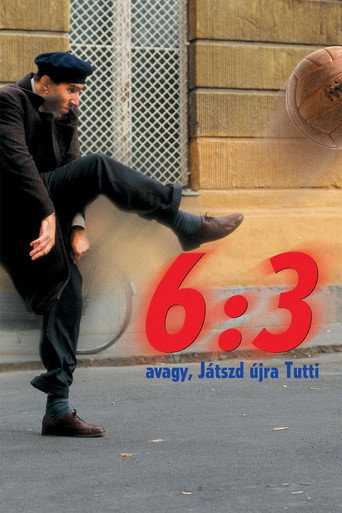
6:3, Play It Again Tutti
The makers, especially Péter Tímár wanted to invoke the atmosphere of the communist dictatorship of Rákosi era lasted from 1947 to 1956. I think they've managed to reconstruct it very much: if you read the history books about the era and newspapers from that times, if you listened to your parents' and grandparents' tales, you will experience the similarities are shocking. The main character (Tutti - Károly Eperjes) is excellent, Eperjes, acting an eccentric, but likable crank is in his royal spirits.
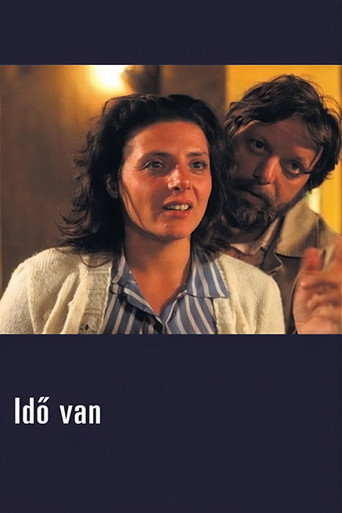
Time
Peter Gothar films give a sharp, uncensored view of the society. This film is no different. The plot is rather simple: a family goes to vacation with the usual stress. Then on the vacation the wife gets a strange kind of sickness and they go back to Budapest for a cure. While the wife is in the hospital, the husband visits his family. This is quite banal. However the scenario was written by Peter Esterhazy, one of the most influential contemporary writers in Hungary. His style uses a lot of surrealism but in a way that profoundly illuminates the reality. In this film, the reality is an atomized society where the so-called communist ideals are nowhere so everyday people are fully disoriented.
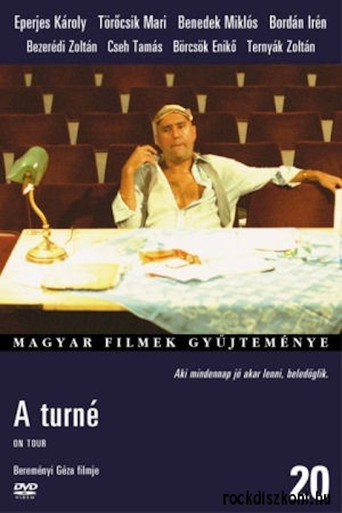
On Tour
This Hungarian comedy depicts the exploits of 8 members of a travelling troupe of actors and musicians as they move about the country performing a series of one night stands.
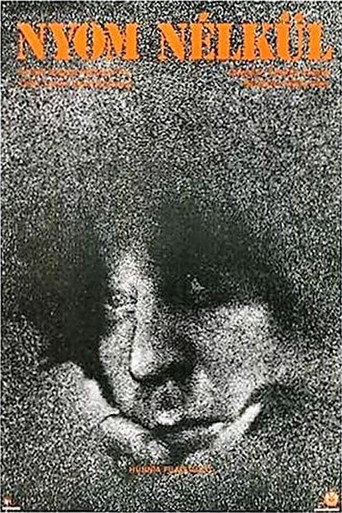
No Clues
Buksi, the smuggler meet with Peter, the intellectual, who has been thought about the perfect crime, without any trace for such a long time. The smuggler forced Peter to work together: Peter's going to plan the action and Buksi's buddies implement it. No clues.
Cseh Tamás énekel
Smoky little clubs, late nights, late nights of conversation over a glass of beer and a guitar. The lyricist Géza Bereményi and the composer-performer Tamás Cseh are the creators of the most topical and accurate songs of the 70s and 80s, expressing the mood of the "30s and 40s" of that time - a mood that was their own destiny. This stunning recording from 1980 includes songs like Tangó, Álomfejtés, Szabó Kálmán tegnap este..., A 100. éjszaka, A legjobb viccek, Születtem Magyarországon, A dédapa dala, Egy bogár, Krakkói vonat, Az ócska cipő, Filmdal.
Production
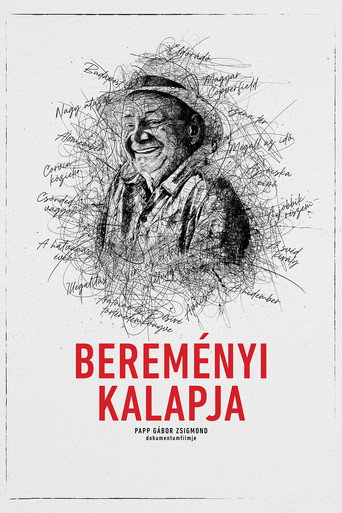
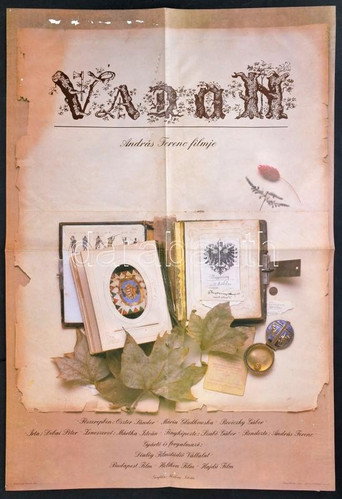
Wild
1859. Exploiting the Austrian-French-Italian conflict, Kossuth sends Batiszy Kristóf back from the emigration to organize the Hungarian Legion. Batiszy's company gets into trouble, Austrians are waiting for them, Hungarian authorities chase them, people stand still. Demolition of the troop is the task of Görgényi László chief district administrator, who used to be an officer in the revolution once.
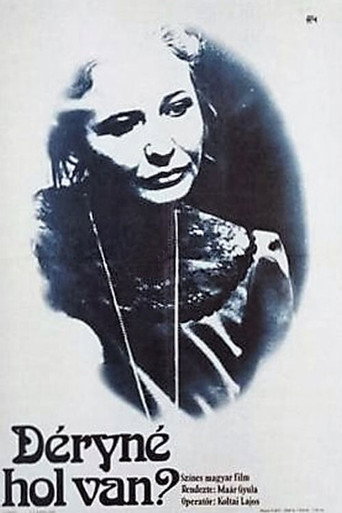
Mrs. Dery Where Are You?
Dery is a grande dame actress of the Sarah Bernhardt school of big-gesture theater. Her beauty and popularity is fading, and a new school of acting which involves the use of one's own emotions (a-la Eleanora Duse) is emerging in the person of her younger Viennese rival. She thinks of retiring from the stage, and reunites briefly with her estranged husband in a newly-built manor in the country. Finding that life there is boring, she returns to town, the theater, and her old friends.
Red Psalm
Set in the 1890s on the Hungarian plains, a group of farm workers go on strike in which they face harsh reprisals and the reality of revolt, oppression, morality and violence.
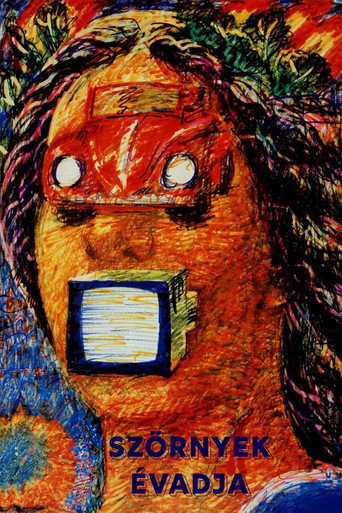
Season of Monsters
Zoltai is a Hungarian professor who returns home after a visit to the United States. Following a television interview, he commits suicide and leaves a note for his longtime friend Dr. Bardocz. The doctor and Zoltai's colleague Komindi join the police in investigating what drove the man to suicide.
Gallery