Writing
No biography available.
In a desert, a man and a woman walk side by side, but everything changes when the time comes.
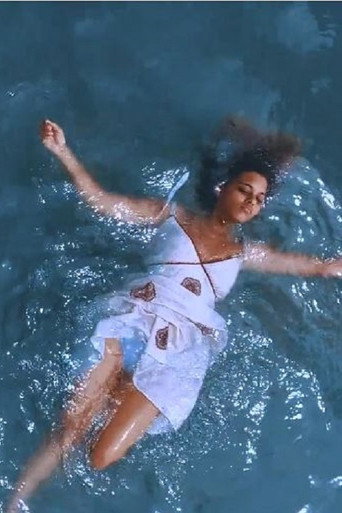
The Woman at the End of the World, inspired by the album "A Mulher do Fim do Mundo (2015)" by singer Elza Soares, tells the story of Benedita and the girl Lua, two black women who saw the old world succumb and are now the only ones survivors. In this post-apocalyptic scenario, the short film portrays a journey through the search for breaking the silence, thinking about the innumerable processes of silence passed by the characters in the old world. In this sense, the end of the world is also a character, being the personification of a state of mind that permeates the loneliness of the black woman. The short film reveres female power, rescues memories, discusses affection and thinks about paths to be followed.
Silvia needs to get rid of a rat that has invaded the kitchen where she works while dealing with the growing abuses of her boss Suzana.
Women writers intertwine their work in the form of an anthology in this feature film. The scripts are adapted from tales written by Brazilian women at the end of the 20th Century to create four shorts filmed by directors of groups under-represented in the cinematographic industry of Brazil of 2024. Themes such as death, healing, the body, marriage and desire are tantamount in stories in which women revisit their past in search of liberty.
Catarina, a young and insatiably curious journalist, becomes involved in a contest to discover the most red thing in the world, which strains her relationship with Gabriel. Her growing obsession with finding the answer brings up deep and conflicting emotions about their unstable relationship.
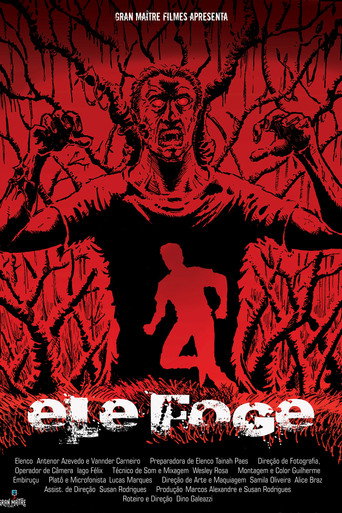
A thicket. A trail of blood. While one flees, another chases him. It's a race. While one is human, the other has ceased to be. It's a hunt. While one species will survive, the other will be extinct forever. It's a struggle. And whoever loses, dies.
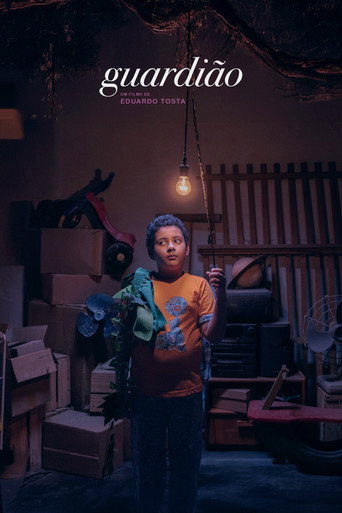
After hearing about a Brazilian folklore party at the neighborhood school, Fernando, an 8-year-old child, decides to go dressed as Curupira, with a skirt and everything, and suggests it to his grandfather, Mr. Lino, 70 years old. The dynamics between grandfather and grandson begin to be affected as Lino perceives Fernando to be a different child. Through subtleties in the dialogues and the silence, social conventions and the responsibility of being the guardian-protector of something precious, the film evokes conceptions of the masculine within a queer childhood.
A black actress receives very peculiar treatment on a film set made up of a white crew.
The actor performs the last remembrance of the character he plays. Meanwhile, in an apartment, two strange guys and the neighbor wonders about his whereabouts.
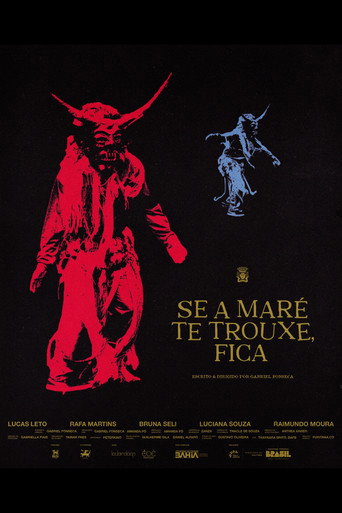
During a farewell carnival, a young artist falls for a stranger who hides a supernatural secret.