Tahar Hannache Movies, TV Shows, and Filmography
Tahar Hannache
Camera
Biography
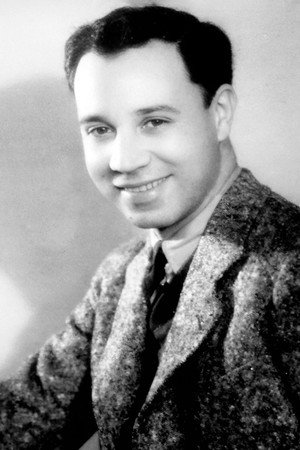
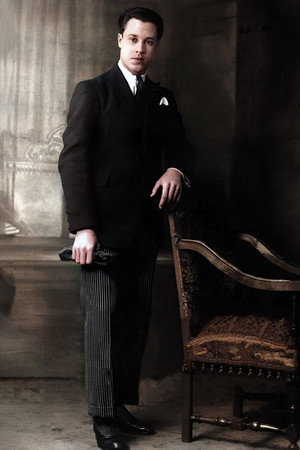
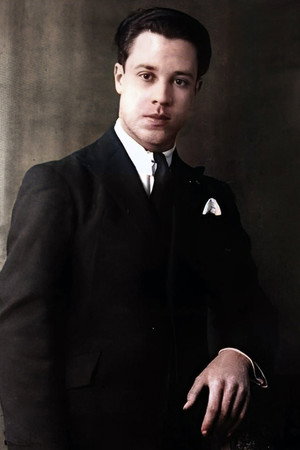
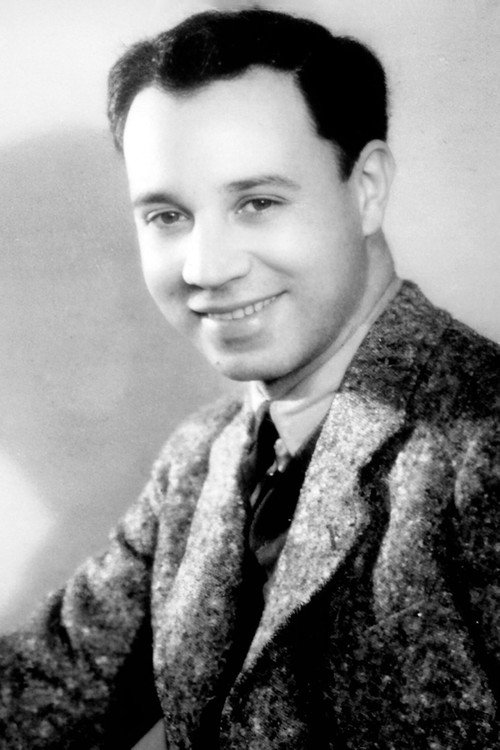
Tahar Hannache (in Arabic: طاهر حناش), whose real name is Tahar Ben Kouider Belhannache, is an Algerian actor, director, director of photography and screenwriter, born on November 26, 1898 in Constantine. He is considered the pioneer of Algerian cinema. Tahar Hannache, at the age of ten or eleven, discovered the films of Charlie Chaplin. Fascinated, his passion for cinema grew and he became a regular at the ciné-bus, and at the new cinema in Constantine, the Nunez, where he dissected and analyzed the films that he had often seen several times. Later, his father went bankrupt and died shortly after. Deeply affected by this loss, Tahar Hannache, who was called up for French military service, was demobilized in 1920 in France. One day, he visited a legendary Parisian film studio, a director who was looking for Arab faces, noticed him and hired him. Then, Tahar seized all the opportunities that came his way, exercising several cinematographic professions, from director of photography to assistant director, cameraman, and played important roles as an actor. In 1938, Tahar Hannache created his own production company called Taha Film and signed his first personal production Aux Portes du Sahara. At the end of the Second World War, his reputation as a talented director of photography grew, but the German occupation of France slowed down film production. He was recalled to the Free French Forces and the Allied Army in Casablanca from 1942 to 1945. During this period, he worked in the audiovisual division of the army. He filmed many military parades, dozens of important news reports and documented historical events. After the end of the war, in 1942, he was issued a filmmaker's card under the number 7951 and became the first Arab and African to be granted a professional filmmaker's card. In 1952, Tahar Hannache directed Les Plongeurs Du Désert with the poet and actor Himoud Brahimi, which would be considered the first entirely Algerian production. The film was destroyed, and the poet Jean Sénac would say: "Do we know that the film Les Plongeurs Du Désert was boycotted under the pretext that it was entirely financed, directed and played by "natives"". In 1956, he married at the age of 58, and had four daughters. The same year, French Radio and Television was created in Algeria. Tahar Hannache was integrated, he was in charge of supervising the Algerian team. He opened the door to many important names of the future independent Algerian cinema, and sent some of his team abroad to study in cinema institutes. After independence in 1962, he contributed with others to ensure the continuation of television broadcasting during the transition from RTF to the brand new Algerian Radio and Television, and to ensure the continuity of programs that will never be interrupted. At that time, he was responsible for audiovisual production, a decisive period for the construction of Algerian cinema. Tahar Hannache, who worked and participated in more than 80 films during his life, died on August 1, 1972, at the hospital of Médéa. He rests in the El Alia cemetery in Algiers.
Filmography Movies
Acting
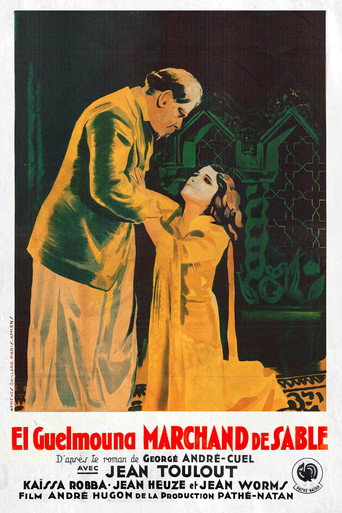
The Sandman
Lieutenant Varnière, responsible for discovering the cause of the death of two officers in Algeria, unmasks the assassin in the person of a Russian who lives with three women. He falls in love with one of them and runs away with her while the Russian is killed by a devoted servant.
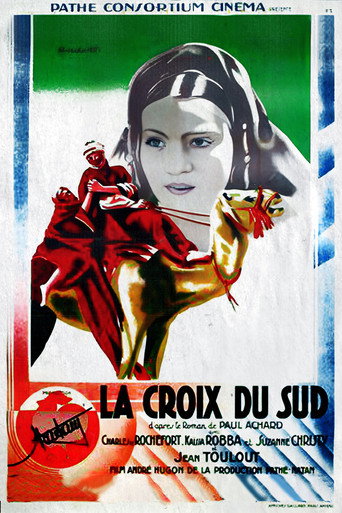
Southern Cross
In the Sahara, Algeria, the leader of the Tuaregs, Aftan, saves a girl from the hands of a caravan of pillars. Madeleine falls in love with her savior and their marriage is decided. But Aftan understands that he will never be assimilated with Europeans, and he goes back to find the beautiful poet Dassine whom he had loved before.
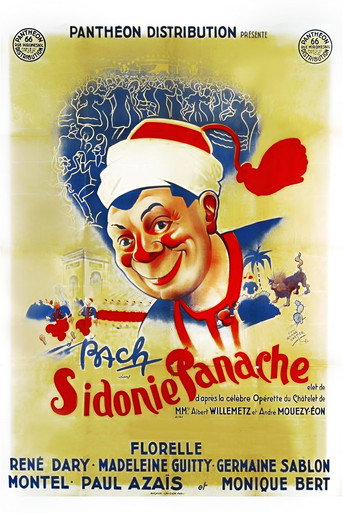
Sidonie Panache
In 1842, during the conquest of Algeria Sidonie Panache disguised as a Soave runs away with her lover who is doing his military service there.
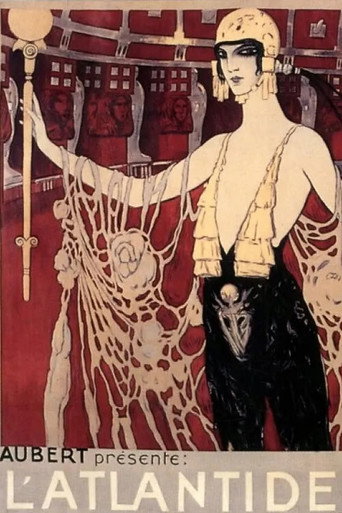
L'Atlantide
Two men, lost in the desert, meet Queen Antinea, ruler of Atlantis.
Production
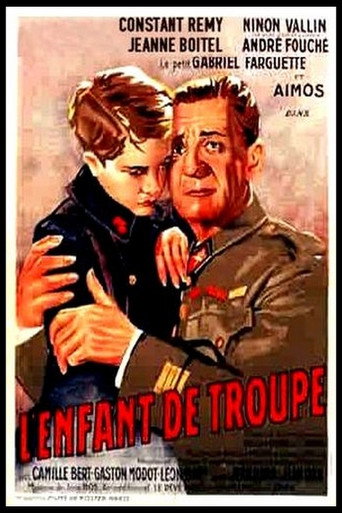
Ceux De Demain
Jean is ten years old and imagines that he is the cause of the misunderstanding that occurred between his parents. He leaves the military institute where he studies and becomes the protégé of an opera singer at whose house, one day, he surprises a thief who blesses him. His parents reconcile at the foot of his hospital bed.
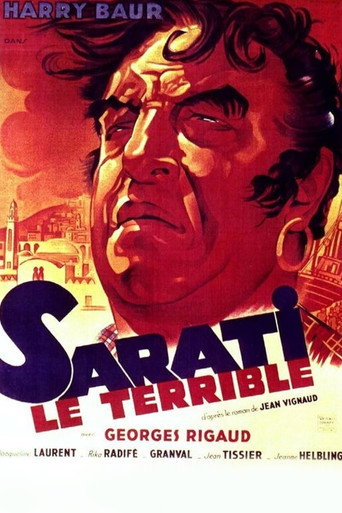
Sarati the Terrible
In Algiers, Cesar Sarati who grudges the dockers, is, without realizing it, in love with his niece. But Rose loves Gilbert, a former gambler and debauchee who, out of love for her, changes his life. On the wedding day, Sarati commits suicide.
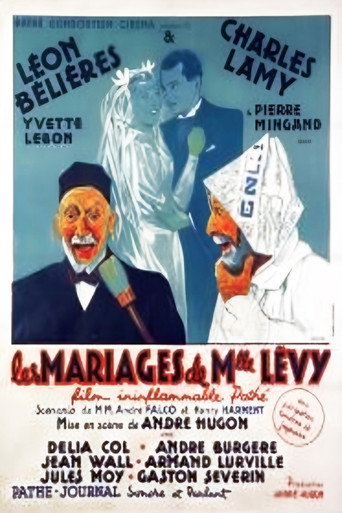
The Marriages of Mademoiselle Levy
The tailors Moïse and Salomon Lévy decide to marry Mina, Salomon's daughter to a good match, to save themselves from the competition that Cohen makes for them. Mina will eventually succeed in marrying Pierre, from a marriage of love, without this harming the family business.
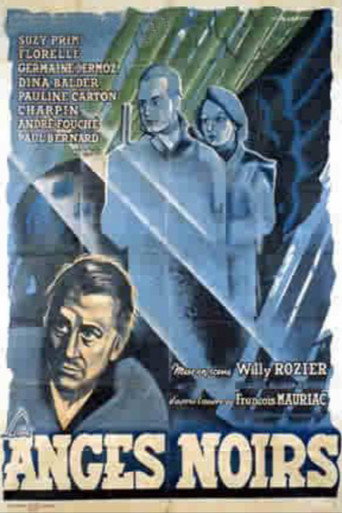
The Black Angels
Two brothers-in-law hate each other but, for business interests, they want their respective son and daughter to marry. The young fiancées are not in agreement, as the boy has a happy relationship with a woman, and the girl is in an isolation mood. A crime happens, and the relations amongst this sad family become even worse.
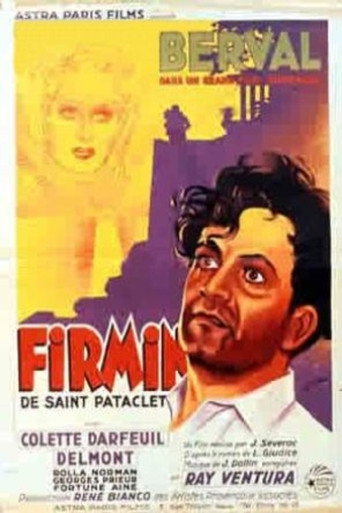
Firmin de Saint-Pataclet
Firmin, who returned mute from the war of 14-18, has never displeased anyone for twenty years in terms of political life where low blows, jealousy and betrayal are rife in his Provençal village. But an explosion gives him the floor.
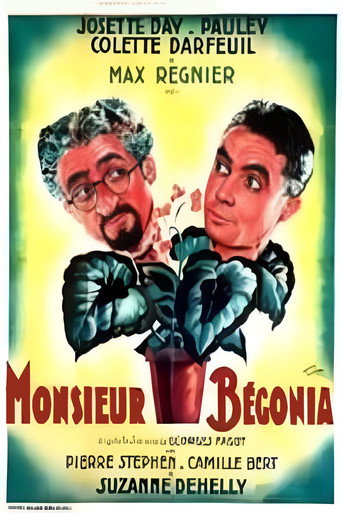
Monsieur Bégonia
A young man who applies for the position of general manager in a fashion house has not reached the desired age. Thanks to a skilful make-up, he gives himself the required appearance and under the name of Monsieur Bégonia, now presides over the destinies of the house.
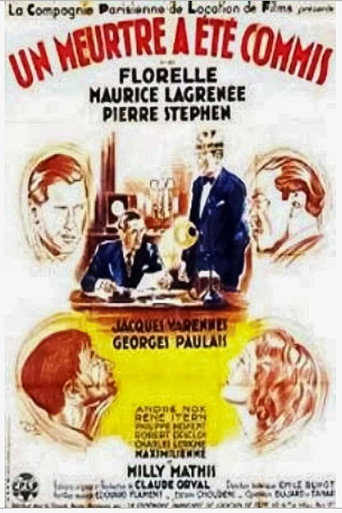
Un meurtre a été commis
Inspector Doirel investigates the murder of a man whose servant was found tied up. He discovers very quickly that the servant has lied. The latter ends up denouncing his accomplice who is arrested when he was going to kill the informer.
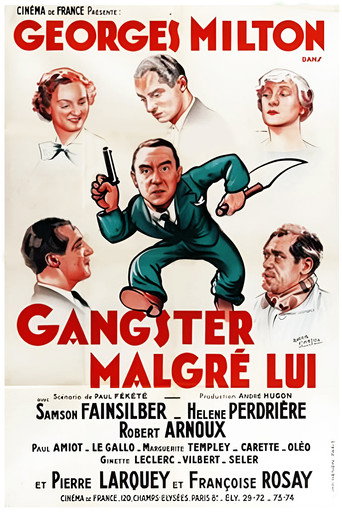
Gangster malgré lui
The crazy adventures of a character forced by circumstances to take on such dangerous professions as those of gangster, burglar, Chinese chiropodist and amateur detective.
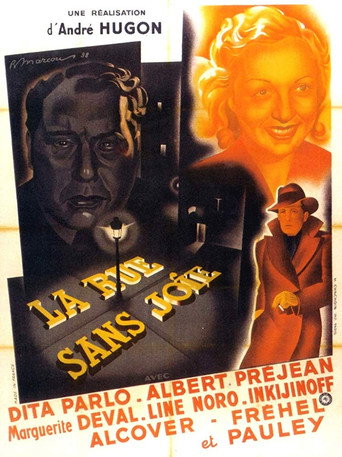
Street Without Joy
Jeanne supports supports his family on his modest salary. Her boss is arrested for fraud. Jeanne is forced, out of poverty, in the street.
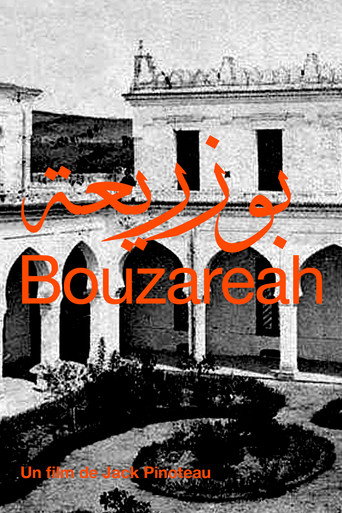
Bouzareah
Arriving aboard the liner “Ville d’Alger”, young French citizens go to Bouzareah to follow a one-year professional training course at the École Normale. After acquiring the basics of the Arabic language and culture, the future teachers are trained to teach the population the basics of modern agriculture, manual work and hygiene. A study trip concludes the training. The teachers are then sent to the regions of their choice, where they will put their knowledge at the service of the inhabitants.
Gallery