Acting
No biography available.
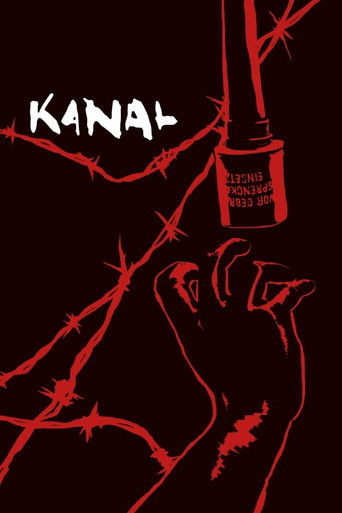
In the last few days of the Warsaw Uprising during World War II, a modest group of Resistance members remains. The band must take refuge in the sewers under the orders of leader Zadra, but it's only a matter of time before they will have to emerge. However, when they try, they are met only with intense hostility from the Nazis. Despite their attempts stay resolute through immense mental strain, it becomes increasingly apparent that they may be doomed.
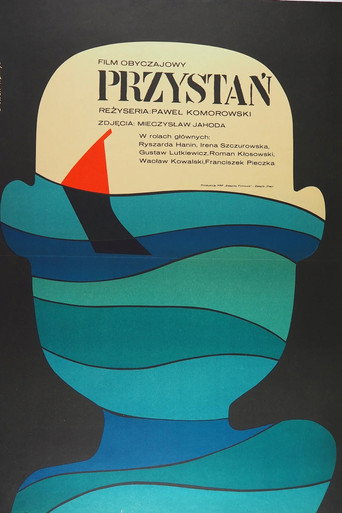
Settlers from various parts of Poland come to the Vistula Spit just after WWII. They are learning the difficult profession of fishing. The skipper Bosak and his wife are doing the best, but their peace is broken when their cousin Joanna comes to them, for whom the skipper loses his head .
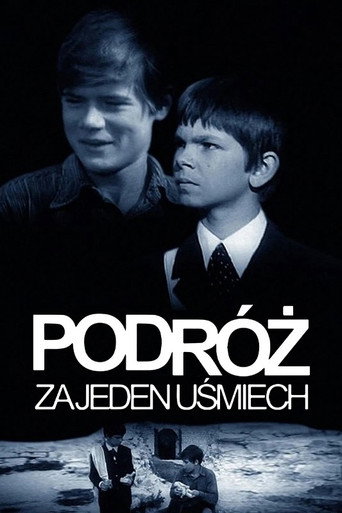
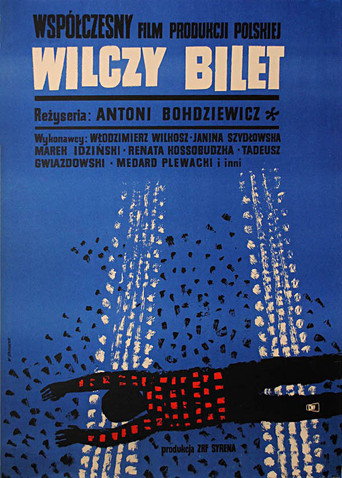
Two boys set out by train from Kraków to the seaside but lose their travel money and decide to continue their journey “for a smile,” hitchhiking and using every transport they can find.
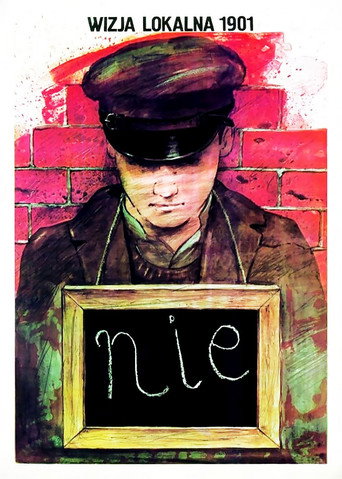
More documentary in its approach than dramatized history, this is a compelling story about a 1901 children's strike in Wrzesnia near the Polish border with Prussia. Poland was partitioned at this time, and a rigidly patriotic Prussian teacher in Wrzesnia follows the dictates of the Germans in parliament and insists that the children be taught their religion classes in German. When the children refuse to take part in the classes, they are supported by the local priest, but that does not save them from being beaten. They are also kept after school and tormented in other ways as well. Newspapers, parents, and the nation as a whole get involved, transforming a simple children's strike into a national incident.
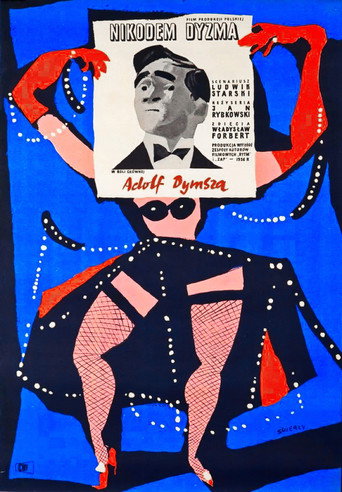
Nikodem Dyzma is a poor dancer who comes to Warsaw to find a job. The problem is that nobody wants to hire him. One day he finds an invitation to the party with very important people and decides to attend. A small accident at the party makes him the hero of the night and becomes the beginning of his career.
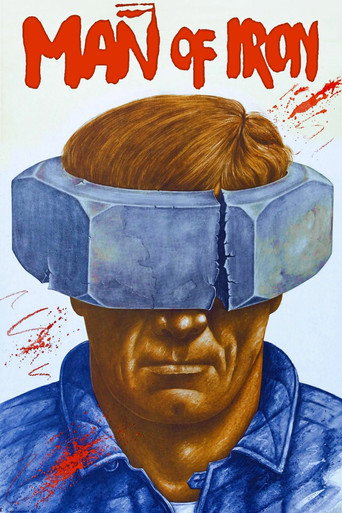
In Warsaw in 1980, the Communist Party sends disgruntled radio reporter Winkel to Gdańsk to dig up dirt on the shipyard strikers - particularly on Maciek Tomczyk, an independent labour union leader whose father was killed in the December 1970 protests. Posing as sympathetic, Winkel interviews the people surrounding Tomczyk, including his detained wife, Agnieszka.
The story of a worker who was dismissed for inconvenience to management for making justified and necessary criticisms of the factory's operations.
Three women, ex-prisoners of a Nazi death camp, decide to live together after the war.
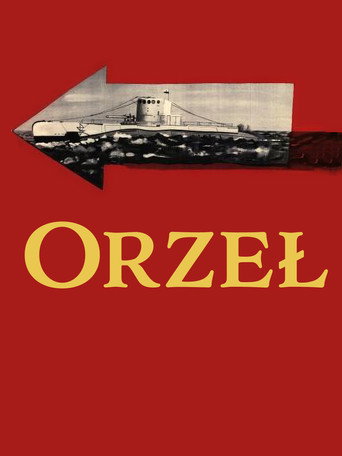
Based on a true story of Polish submarine "Orzel" (The Eagle): September 1939, "Orzel" is coming to Estonian neutral harbor in Tallin. Under pressure from Germany Estonians have intern the ship. Commander Grabinski decides to escape to England through the Baltic Sea, without any maps that has been confiscated and with only small amount of fuel on board.
The life and reign of Polish king Casimir III The Great.