Directing
No biography available.
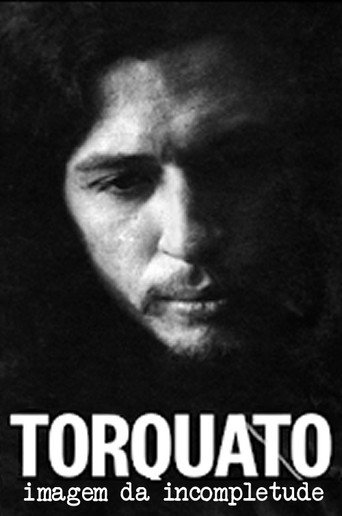
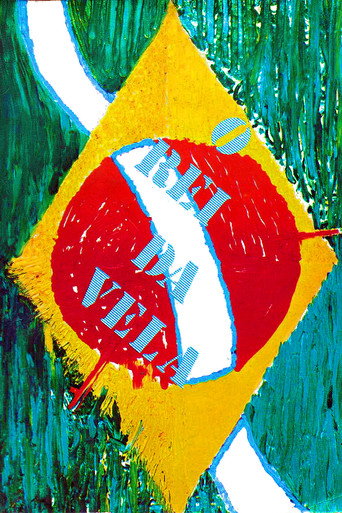
A reflection on the works and thinking of the last years of production by Torquato. Such as the magazine "Navilouca", the film "Terror da Vermelha", the column "Geleia Geral" and the controversial Cinema Novo X Marginal, among other passages important aspects of Brazilian culture in the 60s and 70s.
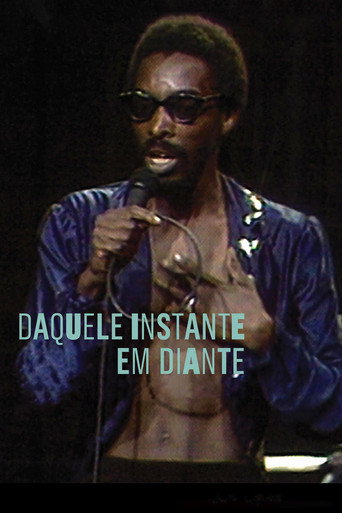
This film documents in depth the life and artistic trajectory of the musician and poet Itamar Assumpção. He was one of the pillars of a moment of Brazilian popular music that was conventionally called "Vanguarda Paulista". Starting from extensive research which resulted in more than 250h of images and a dive into the personal universe of this incredible artist, Itamar comes up with a poetic, intuitive plot where facts and testimonies speak louder than preconceived ideas.
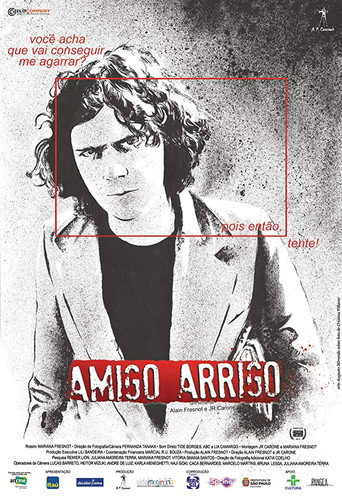
The art of Arrigo Barnabé, one of the pillars of the São Paulo experimental music scene during the 80's and author of critically acclaimed albums such as "Clara Crocodilo" (1980) and "Tubarões Voadores" (1984).
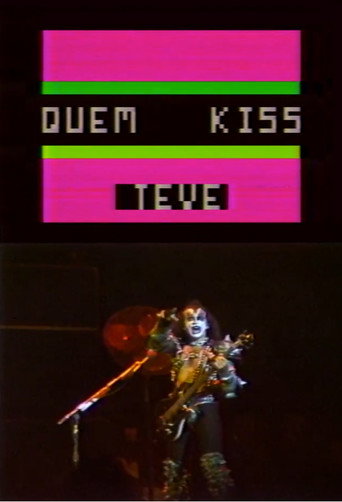
A satirical documentary portraying KISS' visit to Brazil in 1983 during their tour celebrating 10 years of the band and the album Creatures of the Night. Centered on the historic Morumbi Stadium show in São Paulo, the film captures the vibrant spirit of 80s rock youth.
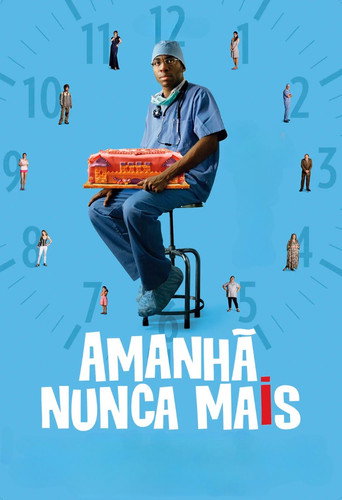
Walter is an absent father and husband who works in a hospital without time for his family. His redemption happens when his wife sends him to the birthday cake for her daughter, but she does not know is that during the return trip home, the impossible will happen so that everything goes wrong.
"Eu Sou Você" is a short film made in Virtual Reality about sexual harassment in the workplace . The story takes place at a “happy hour" in a firm and shows some situations of harassment. Through Virtual Reality, the film "Eu Sou Você" puts the viewer to live in the body of other people and invites the viewer to experience and understand, as much as possible, how a woman feels when harassed and how the harasser behaves. It is a film that uses entertainment to focus on the positive transformation of the female and male audience.
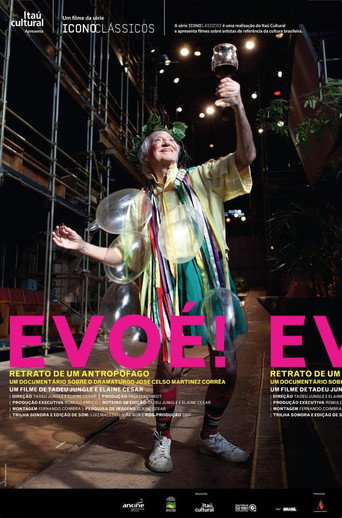
A film that mixes labyrinthine recent testimonies and historical images of the career of the tropicalista director, actor and playwright Zé Celso, of Teatro Oficina, one of the greatest personalities of the Brazilian arts of all time. The documentary acquired its main verb in four trips to key points in the trajectory of Zé: Bahia badlands, Cururipe Beach in Alagoas (where Bishop Sardinha was devoured), Epidaurus and Athens in Greece and his apartment in São Paulo.
Filming of the historical montage of Oswald de Andrade's play, where decadent millionaires, depraved children, corrupt and implacable capitalists are the characters interpreted by the Grupo Oficina, in a celebrated theatrical performance from 1967, fundamentally recorded in 1971 and released only in the 1980s.
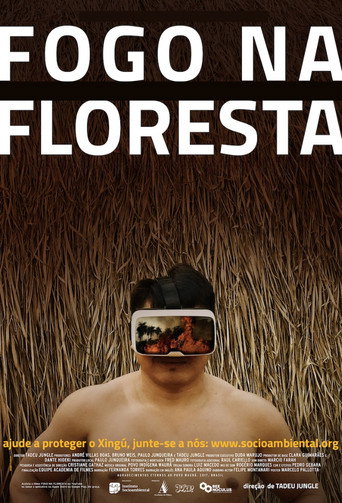
The film shows the daily life of indigenous village Piyulaga, home of Waurá tribe --an ethnicity of 560 people who live at Xingu Park in Mato Grosso, Brazil. It also reveals how the indigenous community keeps its traditional culture while incorporating habits and technologies from the “white”.