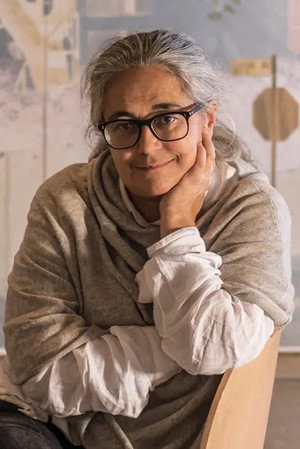
Tacita Dean Movies, TV Shows, and Filmography

Tacita Dean
Directing
Biography
Tacita Dean is best known for her work in 16mm film, although she utilises a variety of media including drawing, photography and sound. Her films often employ long takes and steady camera angles to create a contemplative atmosphere. She has also published several pieces of her own writing, which she refers to as 'asides,' which complement her visual work. Since the mid-1990s her films have not included commentary, but are instead accompanied by often understated optical sound tracks.
Filmography Movies
Acting
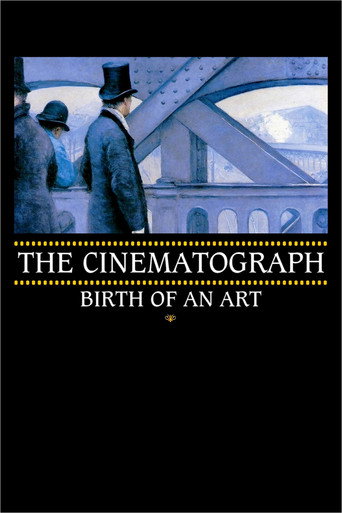
The Cinematograph: Birth of an Art
Throughout the 19th century, imaginative and visionary artists and inventors brought about the advent of a new look, absolutely modern and truly cinematographic, long before the revolutionary invention of the Lumière brothers and the arrival of December 28, 1895, the historic day on which the first cinema performance took place.

Cinema Futures
Analog celluloid strips are disappearing. Is film dying, or just changing? Are the world's film archives on the brink of a dark age? Renowned filmmakers, museum curators, historians, and engineers help dramatize the future of film and the cinema in the age of digital moving pictures.
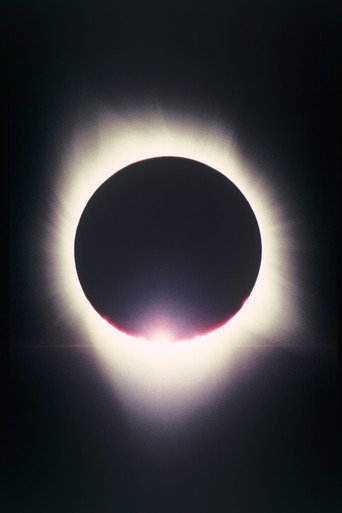
Antigone
Dean’s work is characterized by a sense of history, time and place, light quality, and the essence of the film itself. In line with these themes, the project will compose of a two-screen 35 mm film installation celebrating the quality and techniques of photochemical film. Derived from the origin of her own sister’s name, Antigone takes its starting point from the undramatized part between two of Sophocles’ three Theban plays, Oedipus Rex and Oedipus at Colonus, whose mythological character, Antigone, guides her blind and lame father, Oedipus, through the wilderness. The film will underscore the importance of film experimentation and highlight the endeavor of film, as a medium, to find a form between art, cinema and theater.
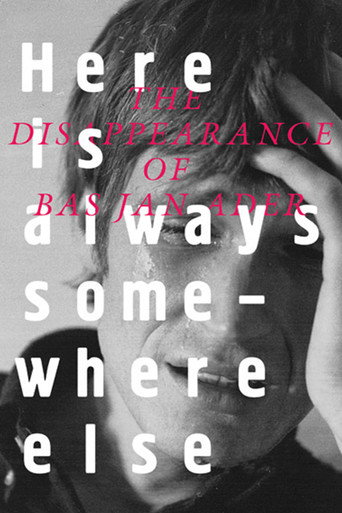
Here Is Always Somewhere Else
The life and work of enigmatic Dutch/Californian conceptual artist Bas Jan Ader, who in 1975 disappeared under mysterious circumstances at sea in the smallest boat ever to cross the Atlantic. As seen through the eyes of fellow emigrant filmmaker René Daalder, the picture becomes a sweeping overview of contemporary art films as well as an epic saga of the transformative powers of the ocean.
The Green Ray
A static and silent shot of a sunset off the western coast of Madagascar. Tacita Dean filmed the ‘green ray’, a legendary natural phenomenon that takes place when, in specific atmospheric circumstances, the last ray of sun passes over the horizon and becomes green.
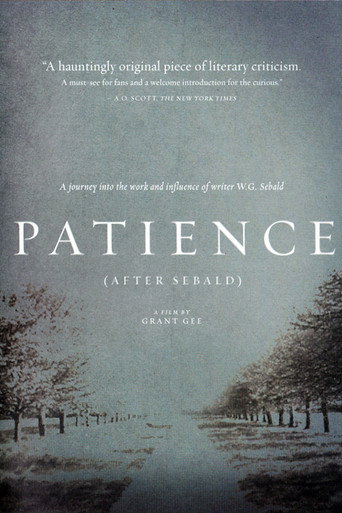
Patience (After Sebald)
A richly textured essay film on landscape, art, history, life and loss, Patience (After Sebald) offers a unique exploration of the work of internationally acclaimed writer W.G. Max Sebald (1944 - 2001) via a walk through East Anglia tracking his most influential book, The Rings of Saturn. The much anticipated new feature by the Grierson Award-winning director of Joy Division, Patience is the first film about Sebald internationally, marking ten years since the writer's untimely death, and with contributions from major writers, artists and film-makers.
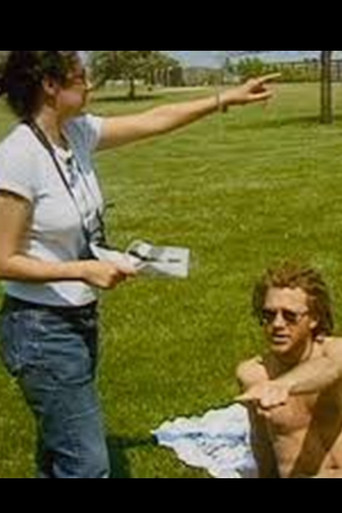
From Columbus, Ohio to the Partially Buried Woodshed
From Columbus Ohio to the Partially Buried Woodshed, 1999, records a search for traces of Robert Smithson’s Partially Buried Woodshed, 1970, which ends prosaically in a parking lot at Kent State University.
Production
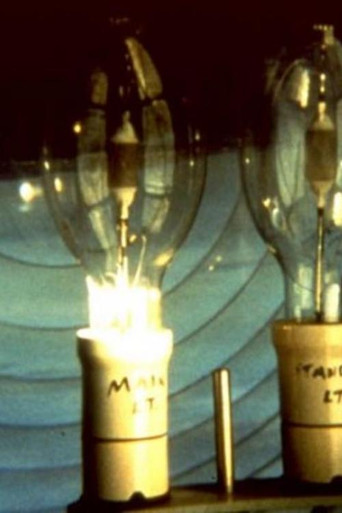
Disappearance at Sea
Disappearance at Sea (1996) is a 16 mm colour film with sound shot on location at the lighthouse on St Abb’s Head in Berwick-upon-Tweed in northern England.
Craneway Event
Craneway Event marks the second collaboration between acclaimed Berlin-based, British artist Tacita Dean and the legendary, late choreographer Merce Cunningham. Shot in 16mm colour anamorphic film, Craneway Event documents Cunningham's company over three days in November 2008 as they rehearsed for an event in the light filled craneway of an abandoned Ford Motors factory in California. Dean's film practice embodies a romantic and insistent materialism, often documenting forgotten moments and spaces teetering on the edge of disappearance. While her predisposition towards the ephemeral is often grounded in the physical world, as a feature length film, Craneway Event solicits an experience of duration that transcends the materiality of space. Craneway Event is the grand beauty and scale of empty industrial space, the delicacy of light, time and air, and the eloquence and subtlety of movement in the visionary work of Merce Cunningham.
Craneway Event
Craneway Event marks the second collaboration between acclaimed Berlin-based, British artist Tacita Dean and the legendary, late choreographer Merce Cunningham. Shot in 16mm colour anamorphic film, Craneway Event documents Cunningham's company over three days in November 2008 as they rehearsed for an event in the light filled craneway of an abandoned Ford Motors factory in California. Dean's film practice embodies a romantic and insistent materialism, often documenting forgotten moments and spaces teetering on the edge of disappearance. While her predisposition towards the ephemeral is often grounded in the physical world, as a feature length film, Craneway Event solicits an experience of duration that transcends the materiality of space. Craneway Event is the grand beauty and scale of empty industrial space, the delicacy of light, time and air, and the eloquence and subtlety of movement in the visionary work of Merce Cunningham.
Disappearance at Sea
Disappearance at Sea (1996) is a 16 mm colour film with sound shot on location at the lighthouse on St Abb’s Head in Berwick-upon-Tweed in northern England.
Edwin Parker
A film by Tacita Dean
Disappearance at Sea
Disappearance at Sea (1996) is a 16 mm colour film with sound shot on location at the lighthouse on St Abb’s Head in Berwick-upon-Tweed in northern England.
Disappearance at Sea
Disappearance at Sea (1996) is a 16 mm colour film with sound shot on location at the lighthouse on St Abb’s Head in Berwick-upon-Tweed in northern England.
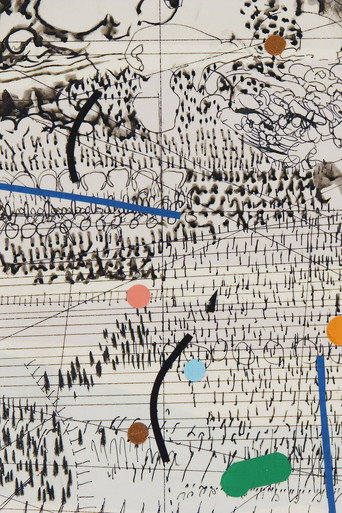
Promises: Through Congress
Promises: Through Congress is a collaboration between Julie Mehretu, electronic music composer Floating Points aka Sam Shepherd, and filmmaker Trevor Tweeten. This 46-minute film features Mehretu’s expansive painting Congress (2003) and Promises (Luaka Bop, 2021), the acclaimed album from Floating Points and jazz titan Pharoah Sanders featuring the London Symphony Orchestra. Filmed on location at The Broad in Los Angeles.
Kodak
Experimental documentary about the now closed Kodak factory in Chalon-sur-Saône where they made 16 mm film.
Craneway Event
Craneway Event marks the second collaboration between acclaimed Berlin-based, British artist Tacita Dean and the legendary, late choreographer Merce Cunningham. Shot in 16mm colour anamorphic film, Craneway Event documents Cunningham's company over three days in November 2008 as they rehearsed for an event in the light filled craneway of an abandoned Ford Motors factory in California. Dean's film practice embodies a romantic and insistent materialism, often documenting forgotten moments and spaces teetering on the edge of disappearance. While her predisposition towards the ephemeral is often grounded in the physical world, as a feature length film, Craneway Event solicits an experience of duration that transcends the materiality of space. Craneway Event is the grand beauty and scale of empty industrial space, the delicacy of light, time and air, and the eloquence and subtlety of movement in the visionary work of Merce Cunningham.
Gallery