Acting
Túlio Starling (Belo Horizonte, April 30, 1990) is a Brazilian actor, with a career in theater, cinema and television.
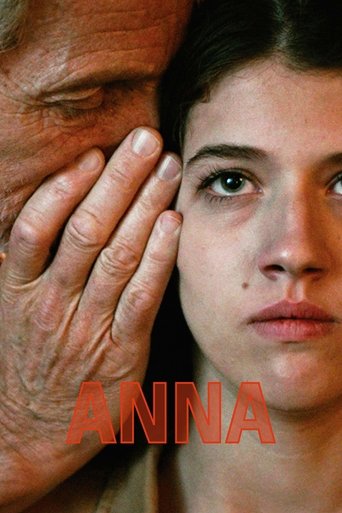
Within a society that reviews its values and paradigms, where power relations are put in check, the feminine and the masculine gain new meanings.
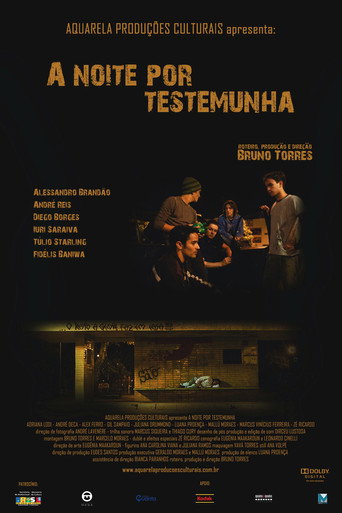
O Pastor e o Guerrilheiro is a Brazilian feature film inspired by a true story, which takes place in the 1960s and 1970s and at the turn of the millennium - in the last days of 1999.
João and Pedro are cousins who meet for the first time since their childhood. They're dealing with the inheritance of their grandfather's farm, which is about to be sold to an industrial sugar mill. While they sort out the matter, forces of nature beyond their control will unravel unfinished issues between the pair.
Everything seems to be going well in the stable relationship between Mari and Rafa, until Isis and Fred move into the apartment next door. The new neighbors make no secret of the fact that they are in an open relationship.
In six decades, Teatro Oficina has done more than revolutionize theatrical language in the country: the aesthetic influence of José Celso Martinez Corrêa's company extends from Tropicalism to the renewal of Brazilian audiovisual languages from the 1960s onwards. The film revisits a story that it involves personalities such as Caetano Veloso, Glauber Rocha, Lina Bo Bardi, Chico Buarque and Zé do Caixão, brings together scenic art, ecology, architecture and sexuality, and mixes art and life in the search for a Brazilian based language.
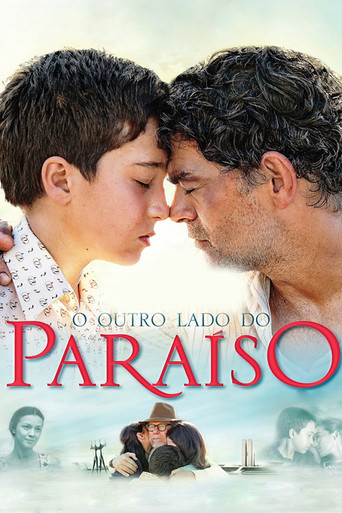
Nando, a 12 year old boy, narrates the adventures of his father Antonio, during the 60s in Brazil, who leaves the inland of the state of Minas to go to Brasília, a recently inaugurated city, but still with construction works in progress.
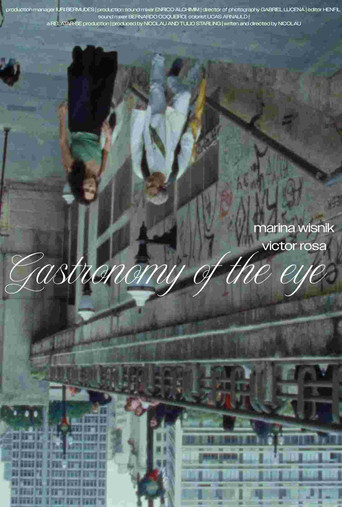
As they wander through São Paulo, two actors talk about life, death, and theater, until their walk begins to blur with the rehearsal and they become Bibelot and Aurora, characters from The Seven Kittens, just hours before stepping onto the stage at Teatro Oficina.