Acting
No biography available.
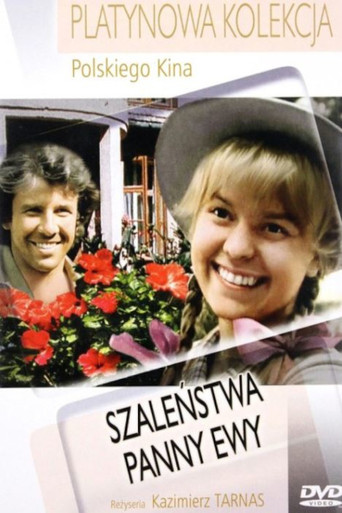
From the popular series of Polish books by Kornel Makuszynski comes this charming comedy following the misadventures of Ewa, who tries to right the wrongs of this less-than-perfect world.
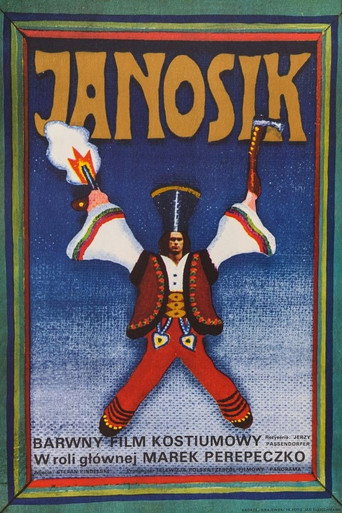
In the early 19th century, the legendary Tatra brigand Janosik defies the oppressive local nobility and Austrian troops by robbing the rich to give to the poor, becoming a folk hero among the peasants.
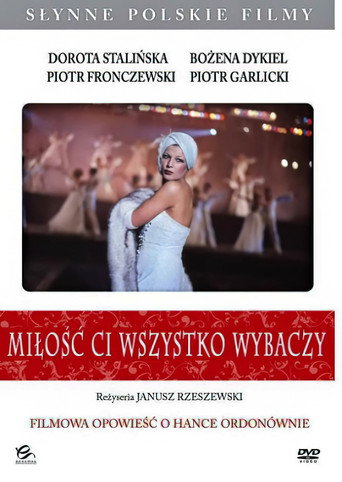
Hanka Ordonówna is a star of pre-war Polish cabarets. The film begins in 1942 in the Middle East, in a British military camp located near the front line. Hanka runs a shelter for homeless Polish children. In her moments of respite, the singer, who is suffering from tuberculosis, recalls the various stages of her career.
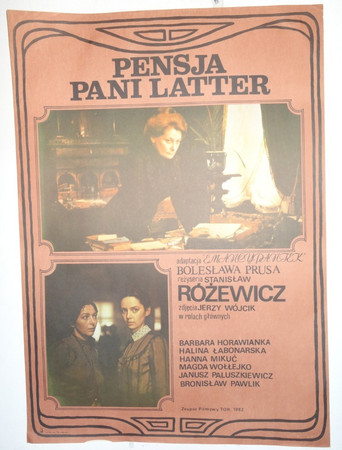
The action takes place in Warsaw in the second half of the 19th century. The main character is the head of the girls' school - Mrs. Emma Latter. Ms Latter is struggling with the financial problems of her institution, because the parents of the students are still in arrears with payments. In addition to professional problems, she is tormented by problems with adolescent children. All this causes Mrs. Latter to experience a mental breakdown.
A young doctor from the lower classes is helped in his career by a rich woman. When he comes back from study in Paris he takes a job at a watering spa. He comes up against the owners when he tries to help the poor.
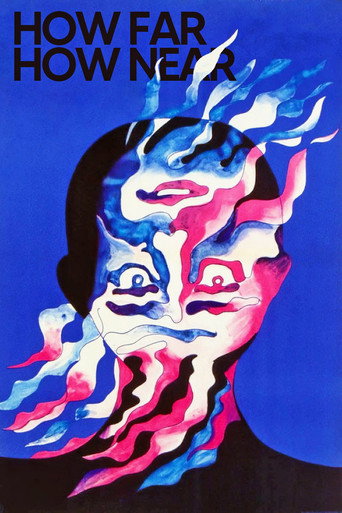
A middle-aged man sets out on a symbolic journey through past, present, and future to learn why an old friend committed suicide, and learns much about his own life along the way.
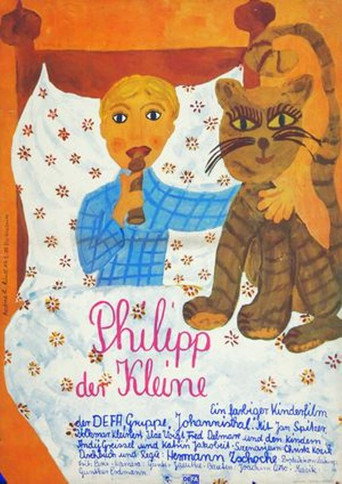
Philipp is a small boy, who other guys pick on, because he's not as large as them. But when a musician gives him a magical flute, he can make objects bigger or smaller.
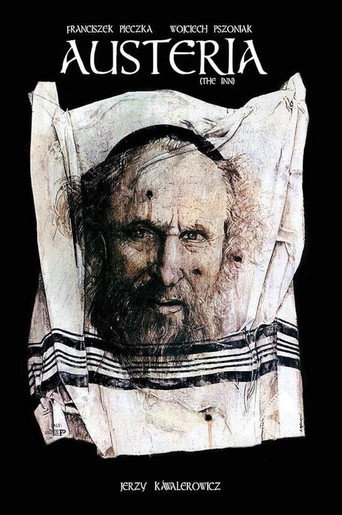
During a pogrom in Poland on the eve of World War I, a group of Jews seek refuge from the Cossacks. The fugitives hide out in a rural inn, terrified that they may be given away at any moment.
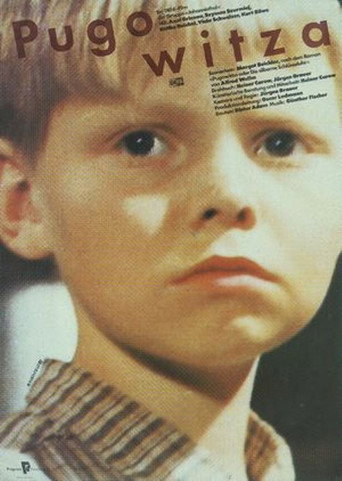
World War II is over and Heinrich, a young German boy, influenced by the Russians, starts to act according to Communist principles in a small German village.
After 50 years, Marek remembers his dangerous adventure as a five-year-old, when he and his friend Itzek left a Polish transit camp one night in 1942 – a few days before their evacuation to Auschwitz – to go get the toys they forgot at the ghetto. Based on Becker's personal memories and his 1980 short story "The Wall."