Szabolcs Tolnai Movies, TV Shows, and Filmography
Szabolcs Tolnai
Directing
Biography
No biography available.
Filmography Movies
Acting
Masks
It is difficult to characterize Slobodan Tišma. He is unique and versatile. He wanders with joy throughout the artistic landscape, drawing it with his words since the early sixties. He started as a poet, he was a conceptualist, an "invisible artist" and a rock musician ("Luna"/"La Strada"- former Yugoslav New Wave bands). Currently, he is a prose writer, and sometimes he engages in minimalistic performances. Wearing different masks he moved from one artistic space to another breaking the stereotypes and creating an aesthetic phenomenon out of his own existence. His mainstay is margin. Through trees and ocean he communicates with the universe. He loves the game of seeking, and hiding again. He is a persistent walker. With his silent steps he pops up daily in the corners of Novi Sad, searching for his own pleasure. Similar to his writings, this film has no formal completeness and comprehensiveness. It wonders who Slobodan Tišma is.
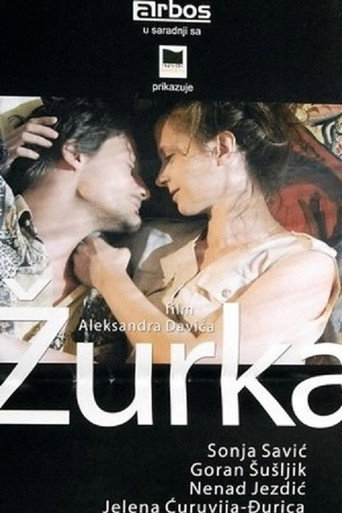
The Party
In the summer of 1991 the war broke out in Croatia. In a holiday house in Fruška Gora hills in Serbia, near the border with Croatia, a group of young people are having a birthday party. They try to have some fun and act like nothing is going on. The party is shattered by the war. They can hear the artillery, but something is also happening between them. Inevitably, some of the boys end up on the frontline and everyone of them is effected by the war that is starting to rage. "The Party" is about individual destinies of the characters trapped in isolated house in hills and surrounded by growing paranoia of the officially not yet declared war.
Production
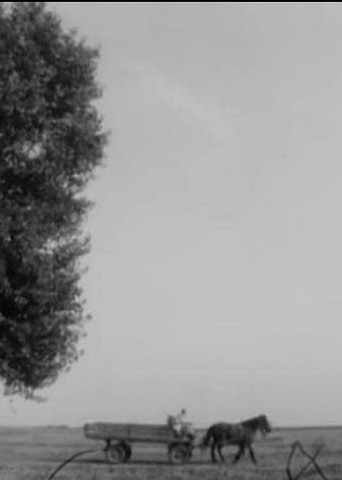
Summer Movie
Two self-made filmmakers, a director with no self-confidence, a cameraman who has never seen a camera and a pitiful dog are fumbling around in the summer heat in Voyvodina. They want to make a film about today's Bácska, or what? - they keep forgetting.
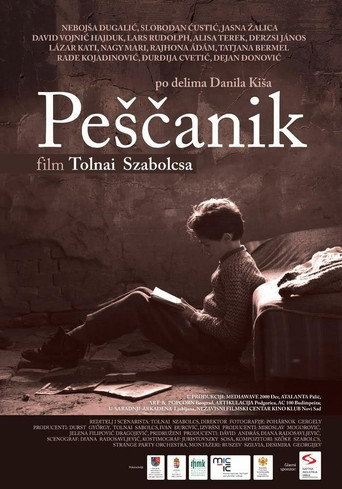
Hourglass
A story of a Jewish-Hungarian-Serbian family. The plot is centered about trying of an adult son to reconstruct his childhood dream of and memories. Looms, but a sunken world, the central European town with its figures, the way to experiencing deep and see a sensitive boy, his father, who by their fears that penetrate to the bone and the final humiliation of acting madness escapes and becomes a lonely, pathetic buffoon in the drama of life.
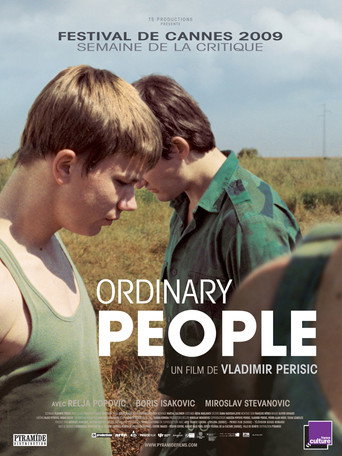
Ordinary People
The story of a soldier faced with mission of executing prisoners in an unspecified place and time. The film follows a hot summer day in the life of Džoni, a twenty-year-old recruit, who is sent to an abandoned farm on an unknown mission. The soldiers wait to battle unnamed terrorists, but instead, a bus full of prisoners arrives to the barracks. The commander orders the soldiers to execute the prisoners. At first, Džoni is shocked by the cruel killings, but as more prisoners arrive, he begins to enjoy the executions.
Summer Movie
Two self-made filmmakers, a director with no self-confidence, a cameraman who has never seen a camera and a pitiful dog are fumbling around in the summer heat in Voyvodina. They want to make a film about today's Bácska, or what? - they keep forgetting.
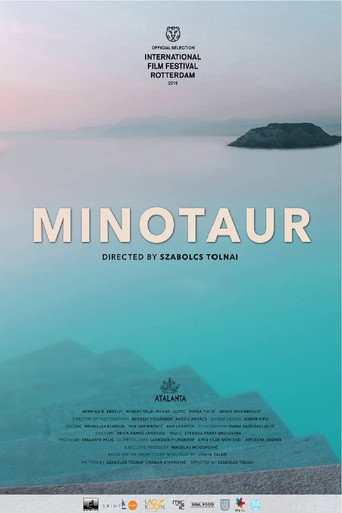
Minotaur
An absurdist fable set in the numerous parallel realities of late-1990s Serbia. As a family disintegrates, Szabolcs Tolnai’s film effortlessly combines melancholic ruminations on middle age with dollops of unlikely colour, rejuvenation and invisible art projects.
Face Down
Kornél, a 20-year-old boy tries to re-integrate himself after returning from war but realizes that both he and his home have completely changed. The war did not go away without a trace.
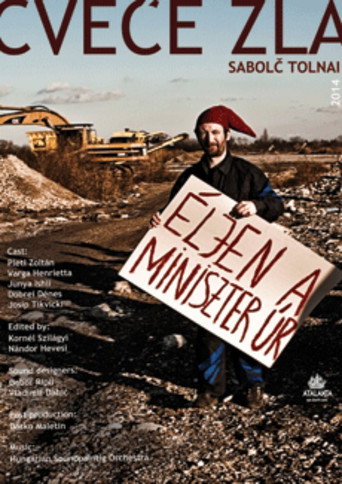
Flowers of Evil
The film is a black comedy that deals with privatization in Southeast Europe.
Flowers of Evil
The film is a black comedy that deals with privatization in Southeast Europe.
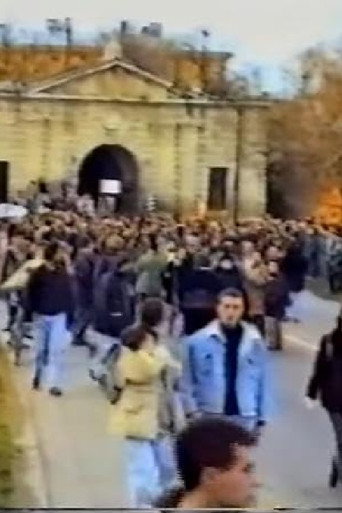
Putting Our Best Foot Forward
During the 1996/97 protests in Serbia a group of 200 students walked from Novi Sad to Belgrade to support students and citizens of the capital. A photobook by the same name, with photos from the same protests was published in 2016.
Face Down
Kornél, a 20-year-old boy tries to re-integrate himself after returning from war but realizes that both he and his home have completely changed. The war did not go away without a trace.