Acting
No biography available.
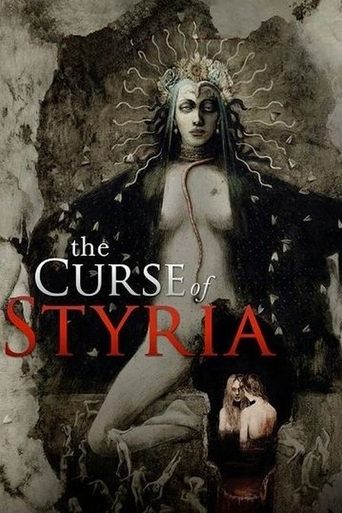
In 1989, Lara Hill, accompanies her art historian father to an abandoned castle across the Iron Curtain. From a car crash outside of the castle, emerges the beautiful and mysterious Carmilla. Lara secrets Carmilla into the castle and the two are drawn into an intoxicating relationship. But when Carmilla mysteriously disappears, and women of the town begin committing suicide, Lara’s psychic wounds erupt into a living nightmare that consumes the entire town of Styria.
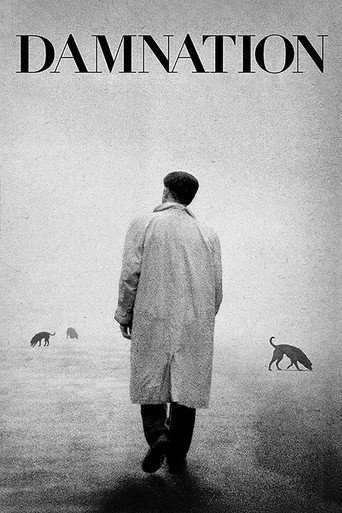
Karrer plods his way through life in quiet desperation. His environment is drab and rainy and muddy. Eaten up with solitude, his hopelessness would be incurable but for the existence of the Titanik Bar and its beautiful, haunting singer. But the lady is married and Karrer is determined to keep her husband away...
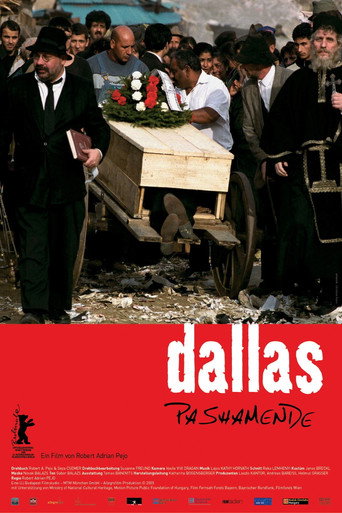
On a garbage dump, people try to make a living in the poorest of conditions.
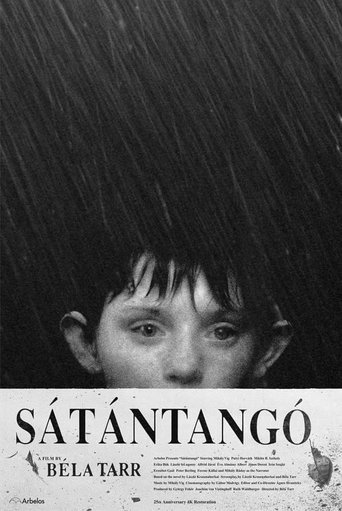
Inhabitants of a small village in Hungary deal with the effects of the fall of Communism. The town's source of revenue, a factory, has closed, and the locals, who include a doctor and three couples, await a cash payment offered in the wake of the shuttering. Irimias, a villager thought to be dead, returns and, unbeknownst to the locals, is a police informant. In a scheme, he persuades the villagers to form a commune with him.
A couple in love, but sadly married to other partners. What is to be done? A diagnosis of a comfortable but profoundly incapable society, a Hungary suffering from an endemic private life disorder, observable both among the urban middle and the rural lower classes. A descent into a relationship’s demise, more from the tired inertia of a country that has lost all direction and sense of purpose than any ill will.
Concerning the Mátyás era in Hungarian history, during the reign of Matthias Corvinus (1443–1490), the film focuses on three eras of the king's life: the young Mátyás fights for the throne, the older Mátyás as king, and the fate of the royal crown and the royal heir after his death.
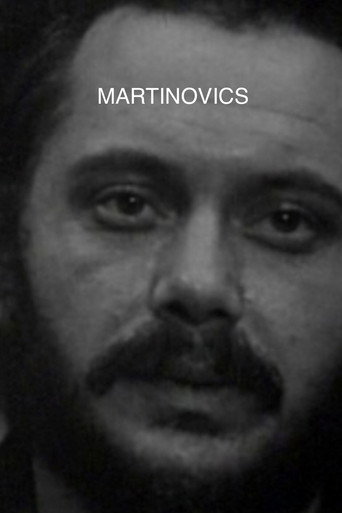
For this austere, clear and sharp telefeature, Judit Elek focused on the last months of Martinovics’ life: his interrogation by the Austrians, the examining Magistrate Schilling in particular, shown as a battle of wits as well as delusions on both sides. Elek had wanted to make this film in the early 1970s, but wasn’t allowed to. When she finally got the chance, the reactions were predictable, as the parallels with recent Hungarian history were simply too obvious for officialdom not to feel anxious. History may not repeat itself, but the variations look eerily similar.
In the closed world of a Catholic monastery shortly after World War II the post-war insecurity exacerbates the walls. A new world order has arrived. The monastic life begins to break down as some of the monks start to morally decline.
Directed, written, and co-produced by Zoltan Kamondi), Kisertesek ("Temptations") illustrates the struggle between ancient traditions and the modern world of restless young Marci (Marcell Miklos), a fatherless young man who is considered somewhat of an outcast within the community.