Sylvie Vartan Movies, TV Shows, and Filmography
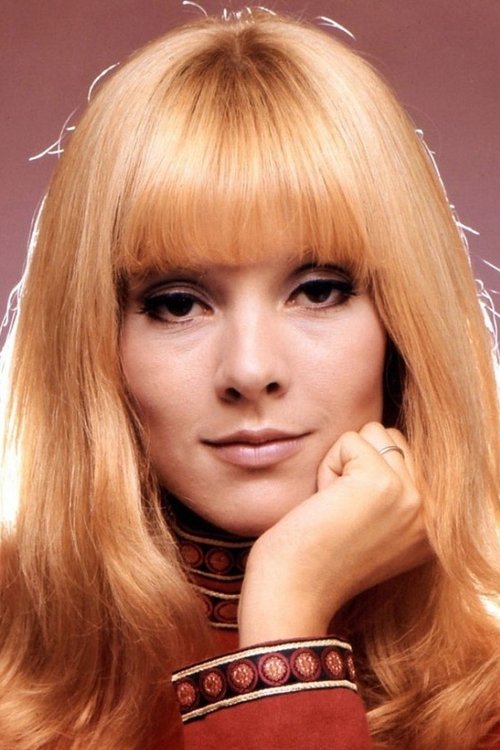
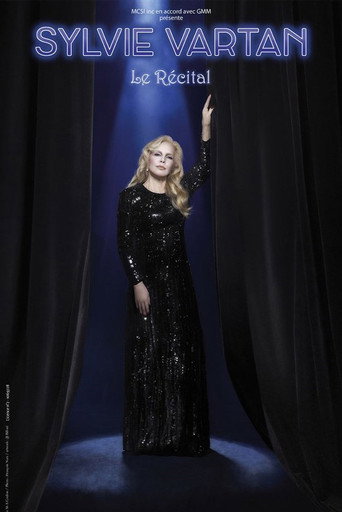
Sylvie Vartan
Acting
Biography
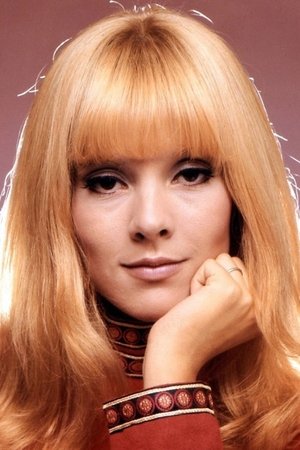
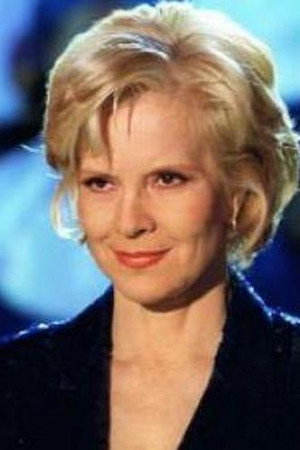
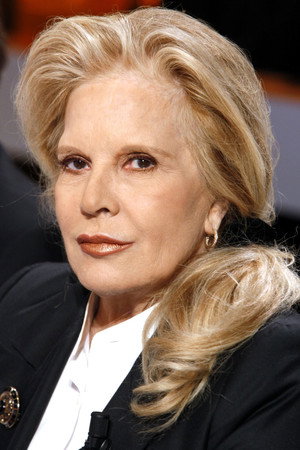
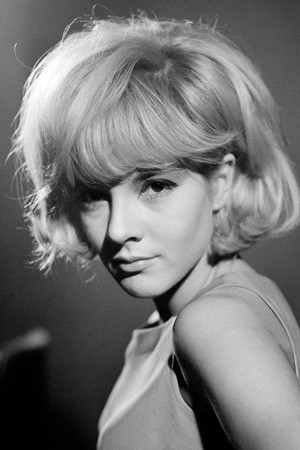
Sylvie Vartan (born Sylvie Georges Vartanian on 15 August 1944) is a Bulgarian-Armenian-French singer and actress. She is known as one of the most productive and tough-sounding yé-yé artists. Her performances often featured elaborate show-dance choreography,[and she made many appearances on French and Italian TV. Yearly shows with then-husband Johnny Hallyday attracted full houses at the Olympia and the Palais des congrès de Paris throughout the 1960s and mid-1970s. In 2004, after a break in performances, she began recording and giving concerts of jazz ballads in francophone countries. Sylvie Vartan was born in Iskrets, Sofia Province, in the then Kingdom of Bulgaria. Her father, Georges Vartanian (1912–1970), was born in France to a Bulgarian mother named Slavka and an Armenian father. He worked as an attaché at the French embassy in Sofia. The family shortened the name Vartanian to Vartan. Her mother, Ilona (née Mayer 1914–2007), daughter of prominent architect Rudolf Mayer, was of Hungarian-Jewish descent. When the Soviet Army invaded Bulgaria in September 1944, the Vartanian family house was nationalised and they moved to Sofia. In 1952, a friend of Sylvie's father, film director Dako Dakovski, offered her the role of a schoolgirl in the movie Pod igoto, a film about Bulgarian rebels against the Ottoman occupation. Participating in the film made her dream of becoming an entertainer come true. The hardships of postwar Bulgaria made the family emigrate to Paris in December 1952. At first they stayed in the Lion d'Argent hotel near Les Halles, where Georges found a job, then for the next four years they stayed in a single room at the Angleterre Hotel. Young Sylvie had to work hard to keep up at school and blend in with her schoolmates. She spent two years learning French. In 1960, her family moved to an apartment in Michel Bizot Avenue. Thanks to the influence of her music producer brother Eddie, music became teenage Sylvie's main interest. Her most influential genres were jazz and, out of spite toward her strict high school, rock 'n' roll. Her favourite artists included Brenda Lee, Bill Haley, and Elvis Presley. In 1961, Eddie offered Sylvie the chance to record the song "Panne d'essence" with French rocker Frankie Jordan. The Decca Records EP was a surprise hit. Although she was not credited on the sleeve, "Panne d'essence" provided Vartan her first appearance on French television. The journalists gave her the nickname la collégienne du twist. After the "twisting schoolgirl" had finished the Victor Hugo High School, she was free to sign a contract with Decca Records to start recording her own EP; carrying the title song "Quand le film est triste", a cover of Sue Thompson's "Sad Movies (Make Me Cry)", the EP was on sale by the beginning of December 1961. ... Source: Article "Sylvie Vartan" from Wikipedia in English, licensed under CC-BY-SA.
Filmography Movies
Acting
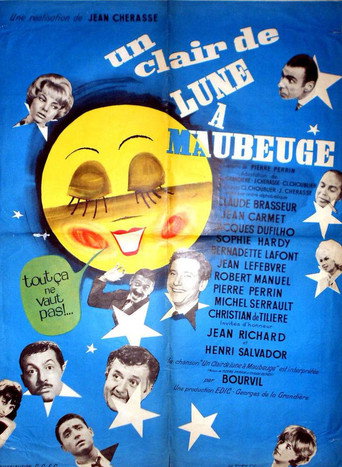
Un clair de Lune à Maubeuge
Paul, a friendly Parisian cab driver, has two loves: music and his fiancée Virginie. After graduating from the Conservatoire with a first prize, he lives on hope, offering his classical works to publishers. One day, while driving customers to the races, he plays a "toquard": Maubeuge, who wins. With his friends, he celebrates the event and, for dessert, composes a song for the occasion: "Tout ça ne vaut pas un clair de lune à Maubeuge". Monique, a secretary at the radio station and one of the guests, had a record made of the tape recording. And this record, following a mistake, was broadcast on a religious music program. It's a runaway success: for Paul, it's fame and fortune. which he had obviously coveted, but more with his symphonies, opera and sonatas. No matter, the "Clair de lune à Maubeuge" (Moonlight in Maubeuge) allows two happily engaged couples to become happily married.
Roger Kasparian, l'oeil des 60's
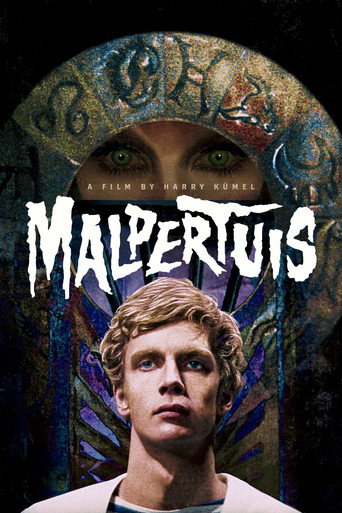
Malpertuis
A young sailor finds himself trapped in the labyrinthine mansion of his occultist uncle, along with a number of eccentric and mysterious relatives who all seem to be harboring a dark secret.
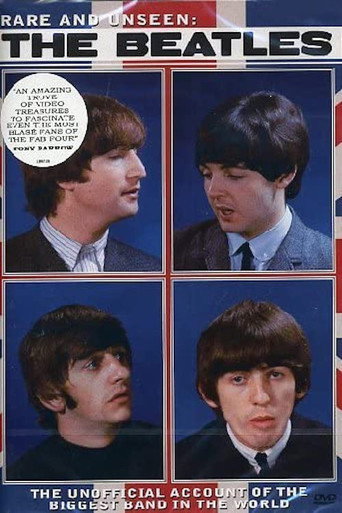
Rare and Unseen: The Beatles
The Beatles. Their story is told for the very first time using original rare film and video of the band, including home movies, concert footage, newsreels and photographs from private collections. There are also interviews with those who surrounded the band, and those who were there from the very start. Also included is an exclusive interview with fan and star in his own right, Phil Collins. For the first time we can see The Beatles relaxed, at play, on and off stage, on film and is a rare glimpse inside the lives of four musicians who shook the world.
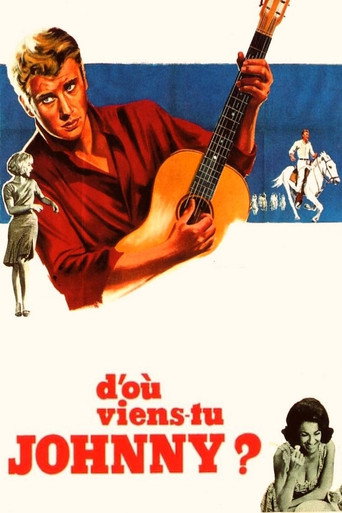
Where Are You From, Johnny?
Without knowing it, Johnny, a young rock musician, finds himself involved with a Parisian drug gang. Realising he is being set up, he throws the drugs into the Seine and takes refuge in the Camargue with his family and his fiancée, Gigi. Meanwhile, the dealers are hot on their heels.
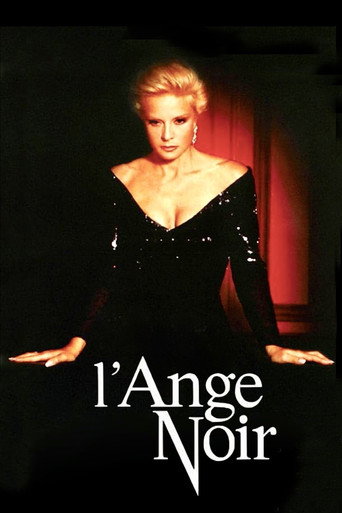
The Black Angel
Stephane, the wife of a prominent magistrate, shoots and kills a man in her home and claims he tried to rape her. While investigating her case, her lawyer becomes hopelessly enmeshed in a web of lies and subterfuges concerning her past.
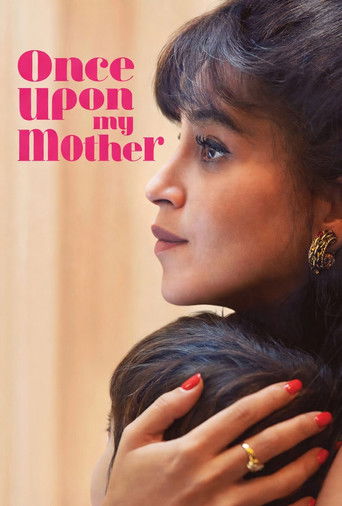
Once Upon My Mother
In 1963, Esther gives birth to Roland, the youngest of a large family. Roland is born with a club foot that prevents him from standing. Against everyone's advice, she promises her son that he will walk like the others and that he will have a fabulous life. From then on, Esther will do everything in her power to keep this promise. Through decades of trials and miracles of life, this film is the story of a true, funny and moving story, that of an incredible destiny and the greatest love there is: that of a mother for her child.
Gallery