Sylvia Prado Movies, TV Shows, and Filmography

Sylvia Prado
Acting
Biography
No biography available.
Filmography Movies
Acting
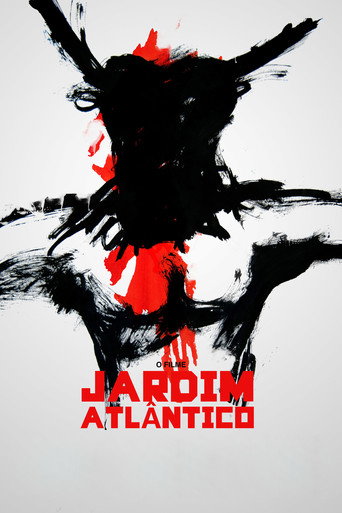
Atlantic Garden
The film is a narrative starting from the story of Pierre and Syl, a couple that experiences the conflict between possession and freedom in a troubled relationship. Pierre is insecure and jealous, while Syl can’t even imagine that spending time with her friends will affect her boyfriend’s emotions – and also her own in a tragic way. A musical in tribute to Brazil, the garden of the Atlantic Ocean.

Tattoo
Paulete, the star of a daring theater group, is visited by his military brother-in-law, the young Fininha. A torrid relationship arises between the two, and now the soldier must deal with the prevailing repression during the Brazilian military dictatorship.
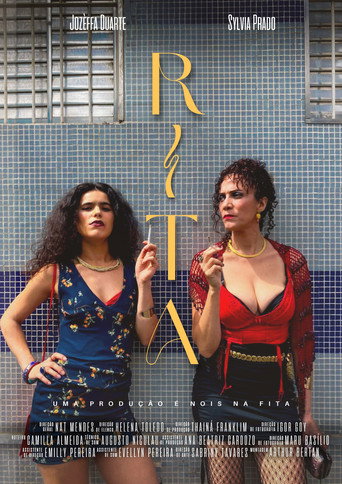
Rita
Rita is kicked out of her home as a teenager and becomes a prostitute when she is older. Now, she is dealing with an unwanted pregnancy and, at the same time, feels the desire to be a mother.
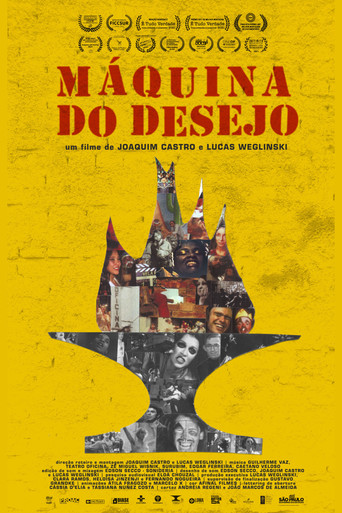
Desire Machine: 60 Years of Teatro Oficina
In six decades, Teatro Oficina has done more than revolutionize theatrical language in the country: the aesthetic influence of José Celso Martinez Corrêa's company extends from Tropicalism to the renewal of Brazilian audiovisual languages from the 1960s onwards. The film revisits a story that it involves personalities such as Caetano Veloso, Glauber Rocha, Lina Bo Bardi, Chico Buarque and Zé do Caixão, brings together scenic art, ecology, architecture and sexuality, and mixes art and life in the search for a Brazilian based language.
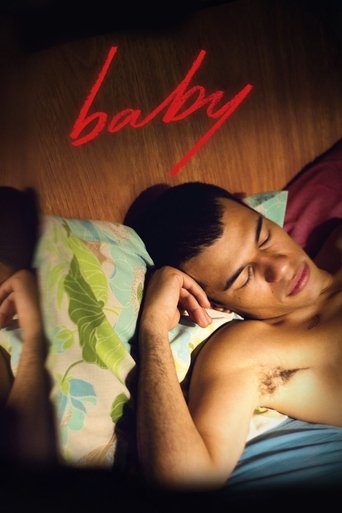
Baby
After being released from a juvenile detention center, Wellington finds himself alone and adrift on the streets of São Paulo, without any contact from his parents and lacking the resources to rebuild his life. During a visit to a porn theater, he encounters Ronaldo, a mature man, who teaches him new ways of surviving. Gradually, their relationship turns into a conflicting passion, oscillating between exploitation and protection, jealousy and complicity.
On Board
Lucia, pregnant with her first child, prepares herself to be a single mother

Horácio
Horacio, an old smuggler hiding from the law, lives in a surreal, baroque apartment with Petulia, his daughter, and Milton, his favorite thug. While he keeps his daughter locked up in her bedroom, Horácio flirts with his goon, for whom he has had repressed feelings for years. However, Milton's love for a mysterious woman, and Petula's attempts to free herself with the help of a former lover, clash with Horacio's tyrannical whims.

Boca de Ouro
Boca de Ouro was born in a back room of a dance hall, and his first crib was a bathroom sink where his mother left him. The boy grows up and becomes a feared and respected bookie—an almost mythological figure in the community where he lives. Fascinated by the story of the recently deceased criminal, journalist Caveirinha seeks out the criminal's ex-lover, D. Guigui, to gather material for an article. Her accounts of Boca reflect her emotional state.
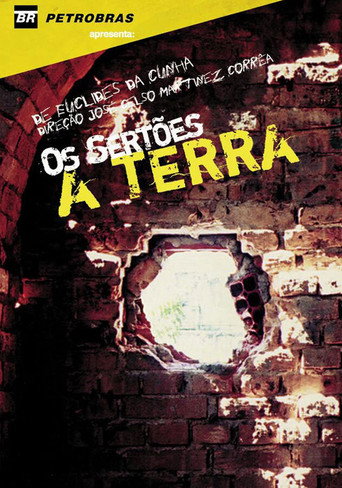
Os Sertões - A Terra
From 2000 to 2007, Teat(r)o Oficina Uzyna Uzona worked on the staging of Euclides da Cunha's epic book, Os Sertões, which describes the 19th Century War of Canudos in the Brazilian "sertão"(backlands). The result was the pentalogy of plays: A Terra (2002), O Homem I (2003), O Homem II (2003), A Luta I (2005), and A Luta II (2006). This first play is a carnival opera, the actors are the earth, the vegetation, the wind, the animals, the rivers, the drought. It reveals the most intimate secrets of nature, that also vibrate in the human and trans-human arteries. This work enriched by the experience that the subsequent works brought gains an updated insight into the human interference in the environment. Destructive power is proportional to financial power, and the discussion about the way space gets occupied was brought to the forefront, including the real-estate boom that surrounds today not only Teatro Oficina, but the whole world, now hotter and more arid.
Gallery