Suna Selen Movies, TV Shows, and Filmography

Suna Selen
Acting
Biography
Suna Selen (born 1 July 1939) is a Turkish actress of theatre, film and television. She has appeared in numerous plays at the Istanbul State Theatre. Selen was born in 1939 in Istanbul. Her father was lawyer Hüsamettin Selen, and her mother, Nimet Selen, was a granddaughter of scholar Ahmed Cevdet Pasha and daughter of Fatma Aliye Topuz. She finished her high school education at the Beşiktaş Atatürk Anadolu Lisesi. During her high school years she also attended the Theatre Department of Beşiktaş Municipal Conservatory. In 1956, she started studying law at the request of her family. At the same time she started to work at the Dormen Theatre. A year later, she left the law school and started her painting education at the Istanbul Academy of Fine Arts. In 1957, she married the painter Cem Kabaağaç and together they had a son. After her marriage, she left the Academy and pitched out her role at the Dormen Theatre. She began her professional career in the theatre season of 1959–60 with Alexandro Casona's Woman Coming at Dawn. During the same season she soon became famous as Nicole Cerusier in Alber Husson's comedy The Pavements in the Sky. In addition to theatre plays, she also starred in a number of motion pictures and series. For her role as the Witch in Pamuk Prenses ve 7 Cüceler she won the Best Supporting Actress award at the 1971 International Antalya Film Festival. She was the recipient of the Best Supporting Actress award at the Ankara International Film Festival for her role as Füruzan in Cazibe Hanımın Gündüz Düşleri. For her role as Elmas in Gönderilmemiş Mektuplar, Selen won the Best Actress award at the International Istanbul Film Festival. Selen's second marriage was to Münir Özkul, from which she has a daughter, named Güner Özkul. In 1974, she divorced Münir Özkul and married play writer Güner Sümer. She later gave birth to her third child and second son Sinan Sümer. In 2016, "because of the dignity she gained in acting profession during her long life as an artist", she became the first recipient of the Lifetime Nadide Küntay Award at the İsmet Küntay Theatre Awards ceremony.
Filmography Movies
Acting
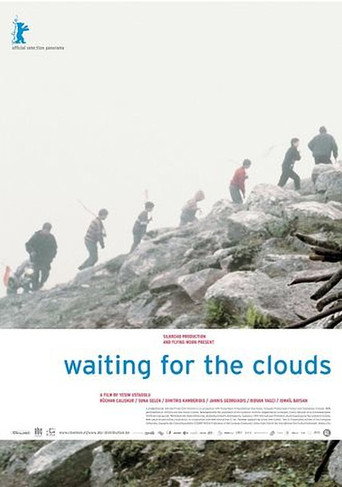
Waiting for the Clouds
A member of a Greek family in Turkey is forced to immigrate from Trabzon to Mersin in her youth. However, events cause her to face her own past.
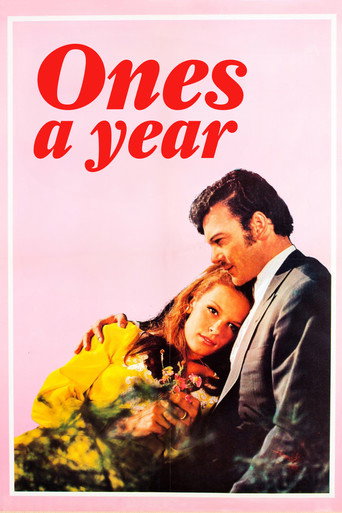
Once a Year
A young hapless couple's devotion for each other is tested through harsh times of war as they are forced to negate patriotism and dependability to their families and nations, for a length of a lifetime before during and after the war.
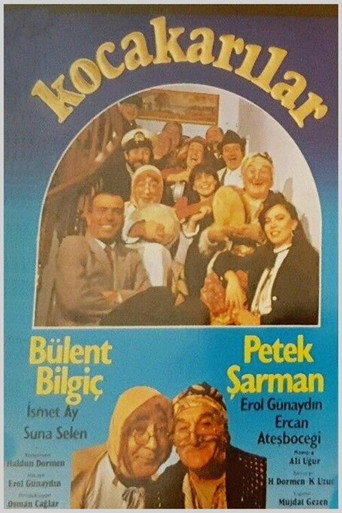
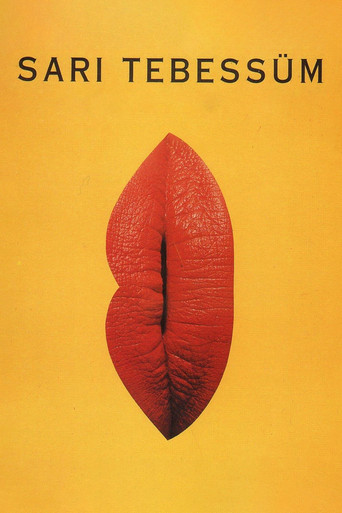
Yellow Smile
Eda is the owner of a picture gallery. Her husband, İdris, who is a popular poet, is an art consultant. This intellectual couple lives in harmony intellectually, especially in the sexual life of Eda. Because Idris is alcoholic and impotent. When her husband goes to Paris for work, Eda sleeps with her friend Erdal, one of the friends of the night, with the influence of alcohol. This relationship gradually becomes a sensual passion
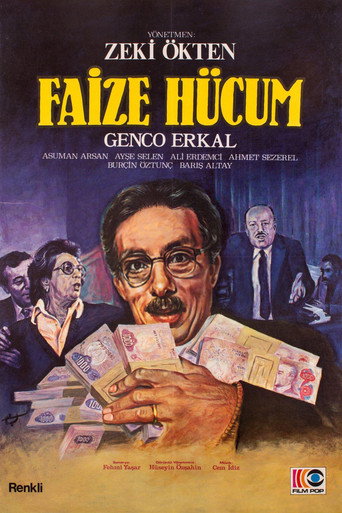
Strike the Interests
Directed by Zeki Ökten.
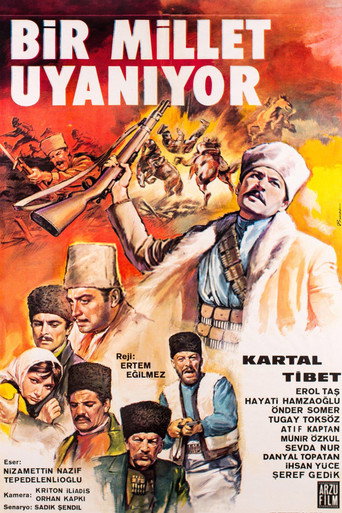
A Nation Awakens
Ertem Egilmez's period drama about National Forces in the Turkish War of Independence.
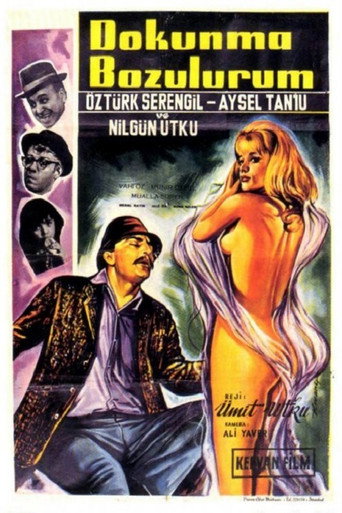
Dokunma Bozulurum
The film tells the story of a man who cooperates with the police to bring down a gang. Öztürk tries to earn money by playing the clarinet on the streets. One day, dancer Adalet happens to hear Öztürk playing. She offers him a job at the nightclub where she works. A few days after starting work, Öztürk is summoned to the police headquarters. The police ask Öztürk for help in dismantling the criminal gang that Adalet is a member of. Öztürk will do everything in his power to ensure the police succeed.

Vatikan'ın Şifresi: Bir Temel Macerası
The film tells the story of Temel, who tries to overcome an impossible task with his friends in order to be with the girl he loves.
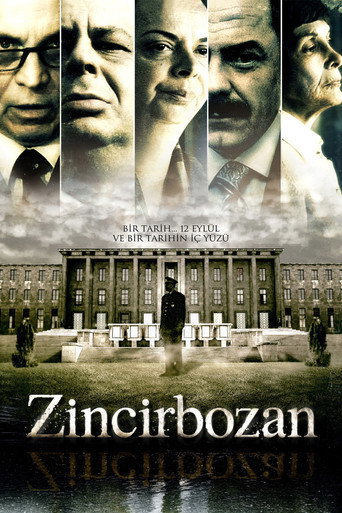
Zincirbozan
The political drama "Zincirbozan" was written by journalist Avni Özgürel, and depicted the period between 1979 and 1983, the most tumultous years in the recent Turkish history. Zincirbozan shows a chronology of the most significant events in this period , such as the assassination of the famous journalist Abdi İpekçi, the escalating terrorism in the run up to the 1980 military coup, the futile attempts of politicians to stop the turmoil and terror on the streets, the military taking over the government, and the exiling of the political figures, and depicts the period with new insights into its less known aspects. The movie is named after the Zincirbozan military complex in the city of Çanakkale, where the leading politicans of the period were interned.
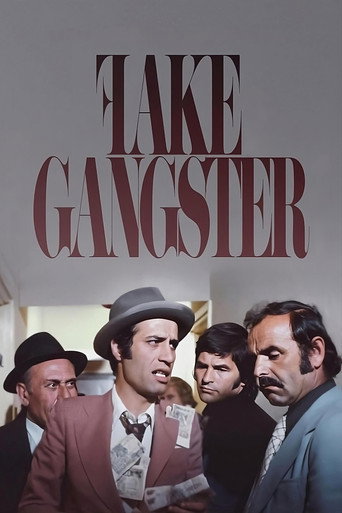
Fake Gangster
Kemal, unaware that his father is a mafia boss, sells cotton candy at train stations. After his father is killed, his inheritance is divided. Kemal begins visiting the establishments of Istanbul's most notorious thugs one by one to reclaim his father's inheritance, and gradually gains a reputation.
Gallery