Acting
No biography available.
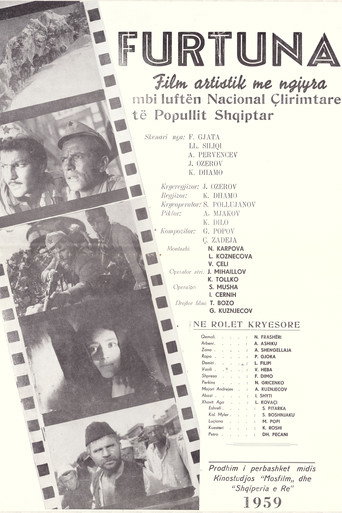
Story depicting the national liberation struggle of the Albanian people against the Italian and German invaders during World War II.
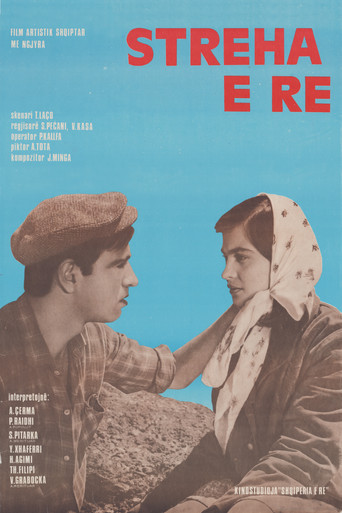
After World War II, the communist party of Albania must rebuild the country and implement the agrarian reform.
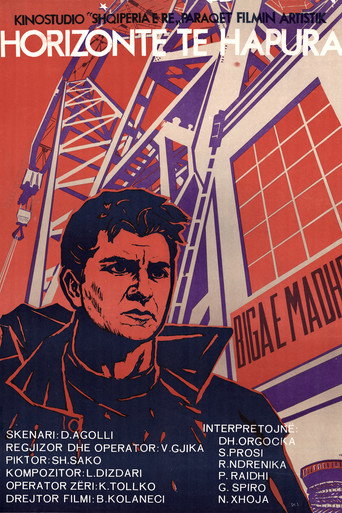
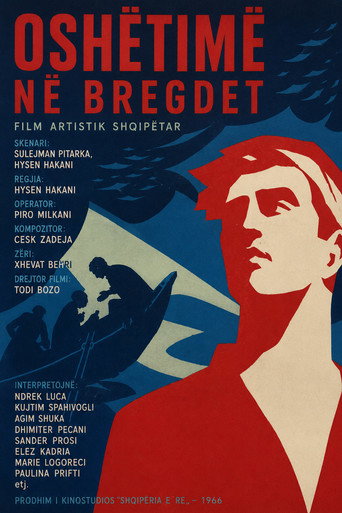
In 1968, Horizonte Te Hapura, directed by Viktor Gjika, one of the pioneers of Albanian moviemaking, broke new ground. Its subject matter was contemporary, rather than being a historical piece or an action drama set among the partisans of World War II. In the story, a dockworker sees that a crane, a crucial piece of shipyard equipment, is being endangered by a violent storm, and despite considerable danger to himself works to save it. ~ Clarke Fountain, Rovi
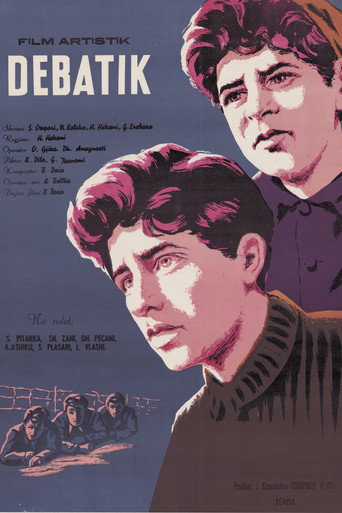
Three years after the fascist occupation, a group of children create the anti-fascist organization called "Debatik". Coli, an orphan boy, manages to become a member.
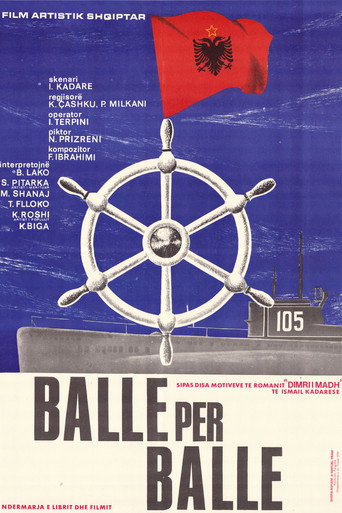
A translator at the conference of communist parties witnessed the biggest break between the two communist parties. The dramatic events in the military conflict take place on a naval base in Albania, which the Soviets did not dare to adopt. Based on a novel by Ismail Kadare.
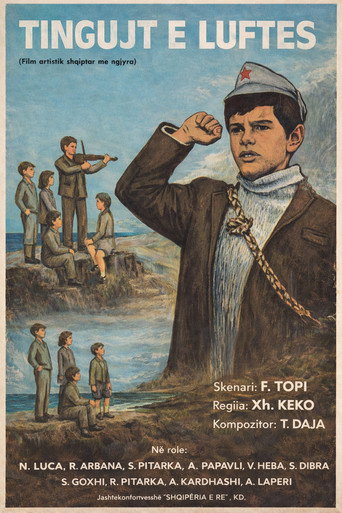
Bardhi, an orphan boy, goes to the city to work in the house of a rich man, where he learns how to play the violin.
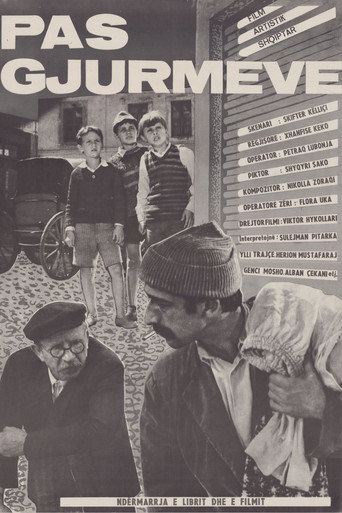
Film set after World War II. A group of kids notice a shady new resident in their neighborhood.
A film about the Italian troops leaving Vlora and Albanian partisans finally entering the enemy camp.
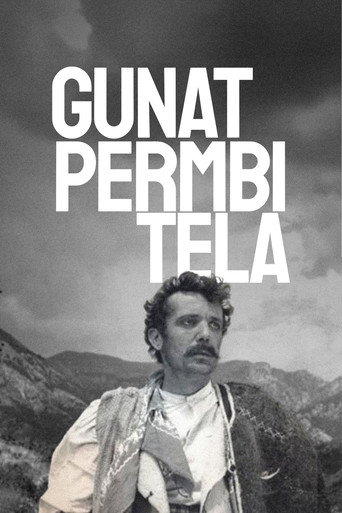
Film set in a remote mountainous area where work and living conditions are harsh.
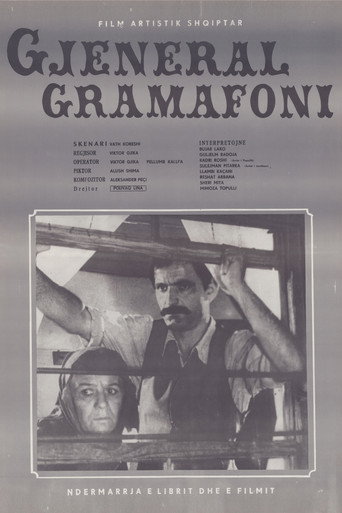
Halit Berati, a virtuoso clarinet player, is invited by the Italians to record his music, which is to be sold along Italian records.
World War II. Patriot Jonuz Bruga has troubles with his young son, Selim, who leads an immoral lifestyle and does not support the anti-fascist war, while his brothers fight in the city's guerrilla units.