Suimenkul Chokmorov Movies, TV Shows, and Filmography
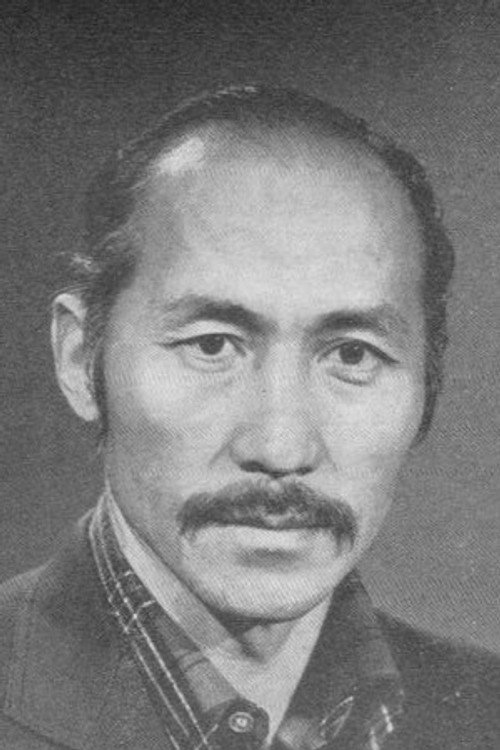
Suimenkul Chokmorov
Acting
Biography
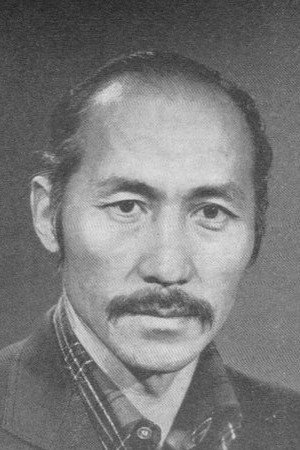
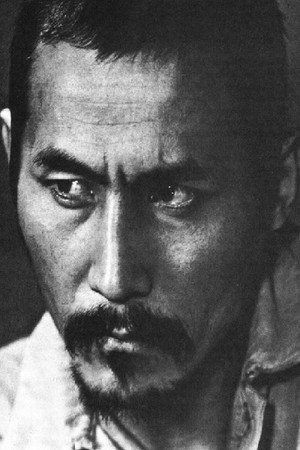
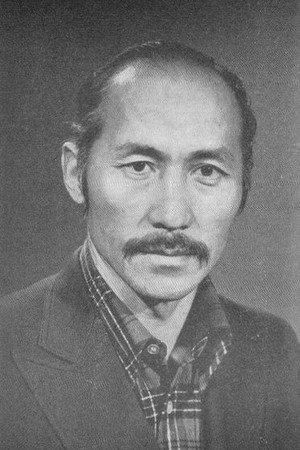
Suimenkul Chokmorov (November 9, 1939 – September 26, 1992) was a Kyrgyz Soviet actor and painter who became one of the most recognizable faces of the Kyrgyz Miracle cinema wave during the 1960s and 1970s. He was named a People's Artist of the USSR in 1981. Born in the village of Chong-Tash, Chokmorov initially pursued a career in the fine arts, graduating from the Leningrad Academy of Arts in 1964. He shifted to acting in his late twenties, making his film debut in Bolotbek Shamshiyev's A Shooting at the Karash Pass (1968). His screen presence and minimalist acting style quickly made him a frequent collaborator for leading Central Asian directors. Chokmorov starred in several high-profile adaptations of Chingiz Aitmatov's literary works, including Jamilya (1968), The Ferocious One (1973), and The Red Apple (1975). He also appeared in regional action-dramas such as The Seventh Bullet (1972) and gained international exposure by playing a supporting role in Akira Kurosawa’s Oscar-winning Soviet-Japanese co-production Dersu Uzala (1975). Throughout his career, Chokmorov balanced his work between film sets and his art studio, continuing to paint portraits and landscapes alongside his cinematic activities until his death in 1992.
Filmography Movies
Acting
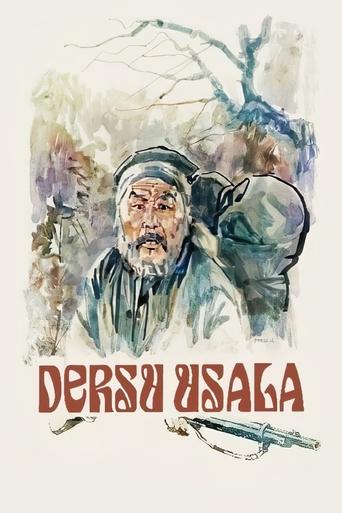
Dersu Uzala
A military explorer meets and befriends a Goldi man in Russia’s unmapped forests. A deep and abiding bond evolves between the two men, one civilized in the usual sense, the other at home in the glacial Siberian woods.
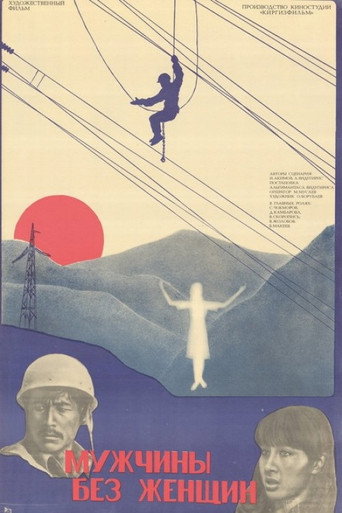
Men Without Women
A team of rescue workers do what they can in the desperate situation left by an earthquake in the Kyrgyz mountains.
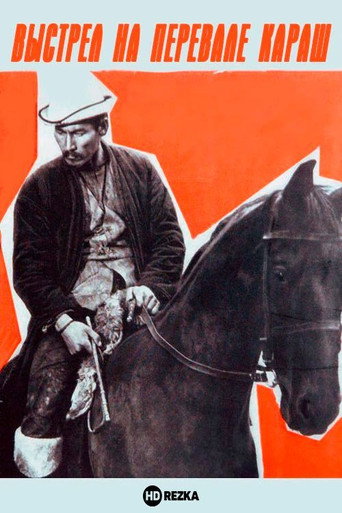
Gunshot at the Mountain Pass
About the Kirghiz aristocracy's attempt to battle the influx of Russian merchants in pre-Revolution days.
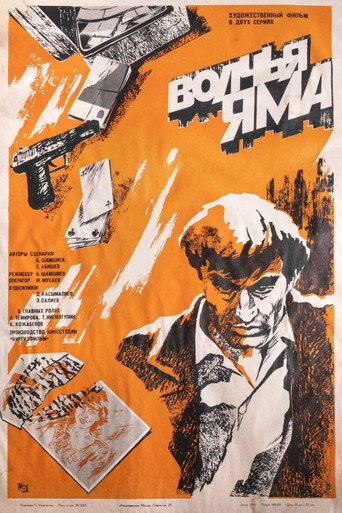
Wolf Trap
Samat is an orphan, and he strikes up a friendship with Musa, who is wheelchair bound due to illness. Little does he know Musa has ties to the criminal world.
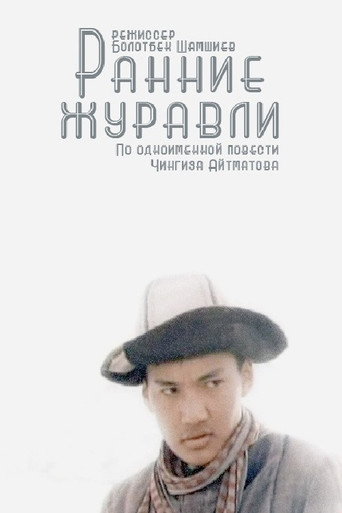
Early Cranes
Sultanmurat is a 14 year old boy who lives in a small Kyrgyz village. All the men have gone off to war so he is left alone to tend to the horses who are weak with hunger.
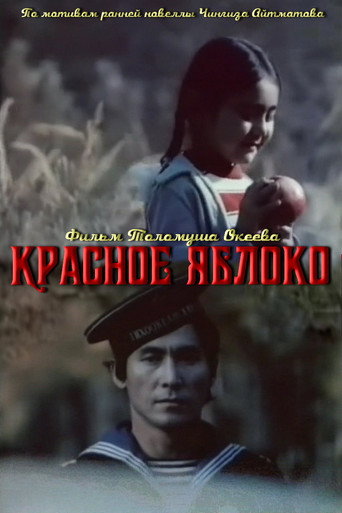
The Red Apple
A chronicle of a few days in a small family, a story about the difficulties of human contacts, the complexity of love. The image of red apples - strong and clear, profound and lucid. Okeyev's "apple" bears a special meaning. Juices of the earth and sun, it is a lyrical symbol of happiness and harmony.
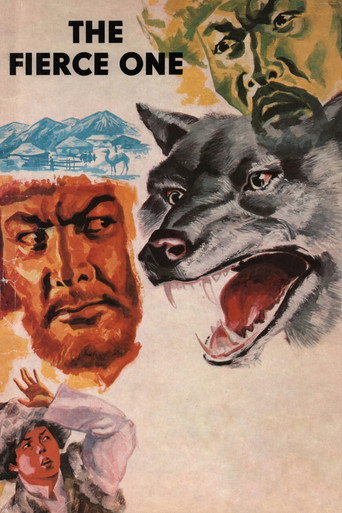
The Fierce One
A boy raises a wolf cub, but when released into the wild, it returns to attack him.
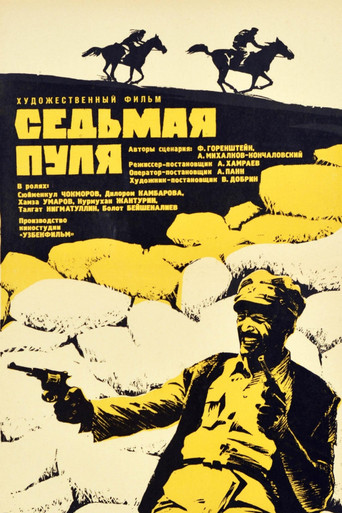
The Seventh Bullet
Despite the restoration of Soviet power in the area, Basmachis continue to arrive from across the border, bringing death and destruction to peaceful villages. One of the bands of rebels is led by Khairulla who is pitted against the militsiya (local militia) leader Maxumov. At first it seems hopeless for Maxumov as the rebels capture most of his men, winning them over to his side. He has only one strategy left; to give himself up, and try to explain to the people that Khairulla has deceived them, turning the soldiers back to revolution. Later in pursuit of his enemy, he chases Khairulla across a river. He has only one bullet left -- the seventh, and he must not miss his target!
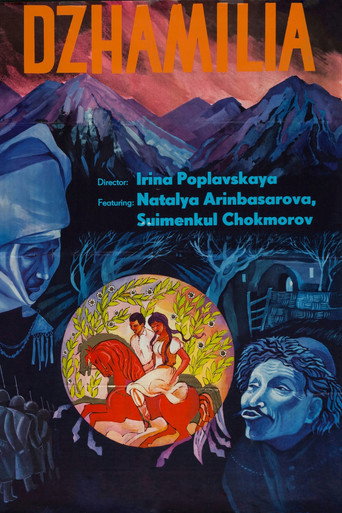
Dzhamilya
In a remote Kyrgyz village, Dzhamilya follows her parents' orders when she marries a man without loving him. Then World War II breaks out and her new husband has to leave the village. While being alone, Dzhamiliya meets the returning soldier Daniyar and falls in love with him instead. Years later, their young friend Seid reminisces about the couple.
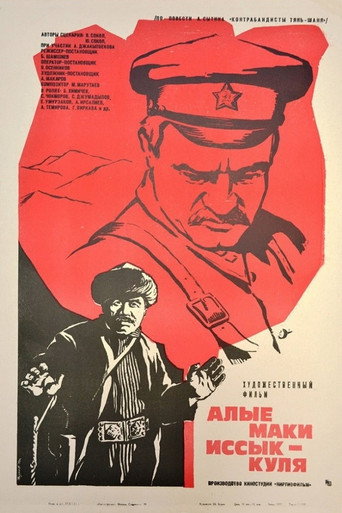
Red Poppies of Issyk-Koul
Directed by Bolotbek Shamshiyev, the movie shows Kyrgyzstan under early Soviet rule; and tells us about opium contrabanda across the border.
Gallery