Acting
No biography available.
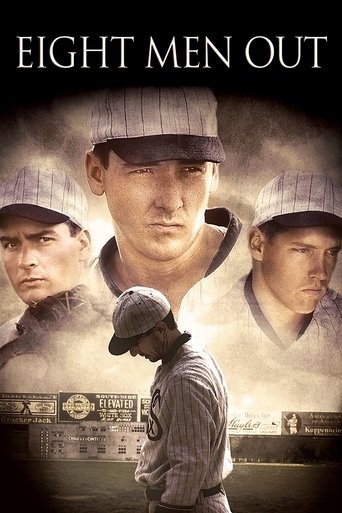
Buck Weaver and Hap Felsch are young idealistic players on the Chicago White Sox, a pennant-winning team owned by Charles Comiskey - a penny-pinching, hands-on manager who underpays his players and treats them with disdain. And when gamblers and hustlers discover that Comiskey's demoralized players are ripe for a money-making scheme, one by one the team members agree to throw the World Series. But when the White Sox are defeated, a couple of sports writers smell a fix and a national scandal explodes, ripping the cover off America's favorite pastime.
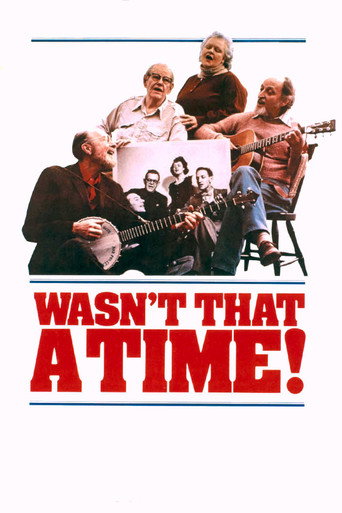
Documentary about the blacklisted folk group The Weavers, and the events leading up to their triumphant return to Carnegie Hall.
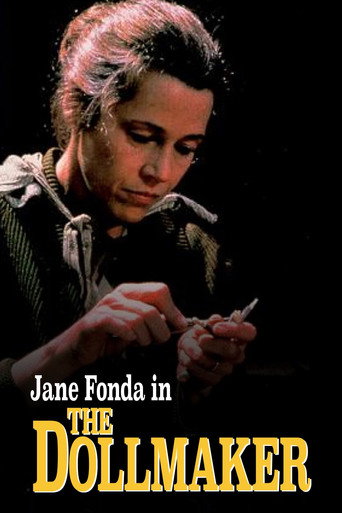
During World War II, hard-luck farmer Colvis Nevels leaves his rural Kentucky home to take a factory job in bustling Detroit. Reluctantly accompanying Colvis is his long-suffering wife, Gertie, a talented woodcarver set in her traditional ways. When the perils of city life and Colvis' reckless squandering of money send the Nevels into precarious financial straits, Gertie starts a business making hand-carved dolls in order to provide for her family.
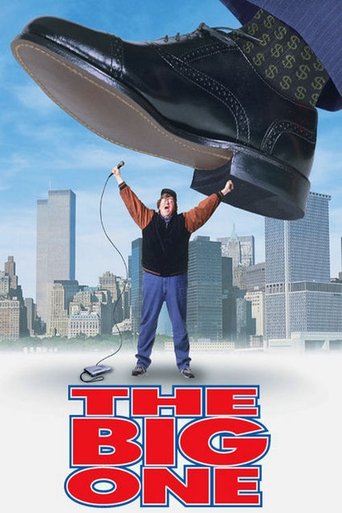
The Big One is an investigative documentary from director Michael Moore who goes around the country asking why big American corporations produce their product abroad where labor is cheaper while so many Americans are unemployed, losing their jobs, and would happily be hired by such companies as Nike.
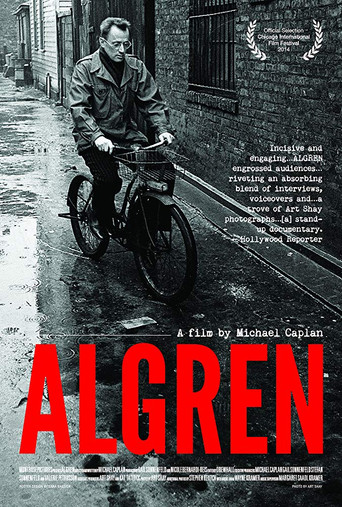
Algren will spotlight the hard-knock life and authentic creative legacy of one of the most underrated writers of the twentieth century, Nelson Algren. Algren's brutally honest portrayal of the American underclass and his hard-nosed lifestyle became his pathway to compassion. Through interviews with Algren contemporaries, experts, and "literary soulmates," as well as through the photography of Algren's friends, Art Shay and Stephen Deutch, the film will tell his story. It will celebrate his tremendous contribution to and influence on American letters, and push Algren, champion of the marginalized, out from the margins.
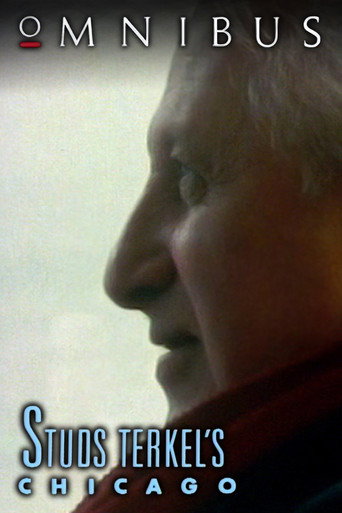
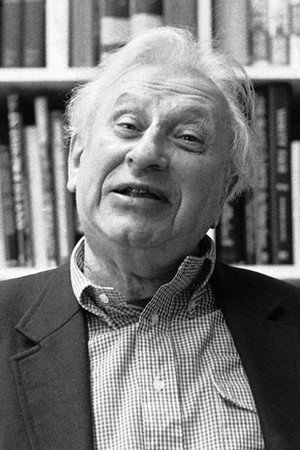
This documentary features acclaimed Chicagoan broadcaster and Pulitzer Prize winner Studs Terkel talking about the value of oral history and the voice of ordinary working Americans.
This 90 minute, 3-act documentary details the rise & fall of Maxwell Street, Chicago's great outdoor market, the birthplace of the electric blues and where "the only color that mattered was green".
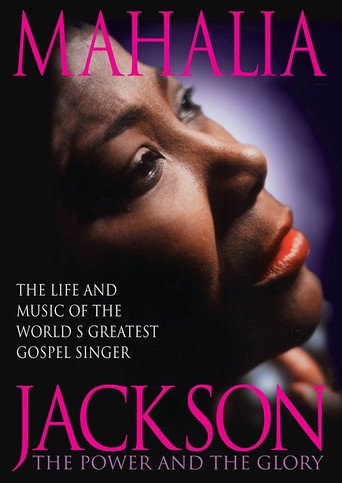
Documentary narrated by Paul Winfield, this documentary follows the course of Mahalia Jackson's extraordinary life - from her humble beginnings as a sickly child singing in New Orleans churches to her breakthrough with Columbia Records and her ascendancy to Carnegie Hall and Europe's great stages. Her story's told through archival footage and interviews with those who knew her best.
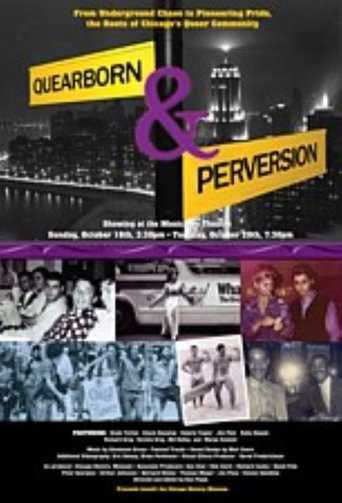
Quearborn & Perversion: An Early History of Lesbian & Gay Chicago (2009, 109 min) is a documentary on LGBTQ life in Chicago from 1934 to 1974. Moving from the speakeasys and Henry Gerber’s founding of the Society for Human Rights in the 1930s, to the underground social structure of the 1940s and 1950s, to the dawn of consciousness-raising entities such as the Daughters of Bilitis and Mattachine Midwest in the 1960’s, and concluding with the emergence of the gay liberation movement with the first Pride March and opening of the first community center in the early 1970s.
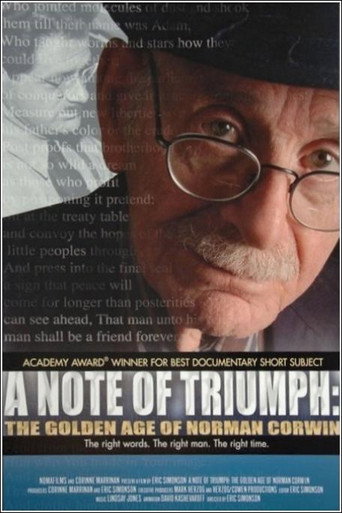
On May 8th, 1945, writer, director Norman Corwin broadcast ON A NOTE OF TRIUMPH, an unforgettable homage to the end of war in Europe. This film shines a light on a lost work of genius, and examines it's haunting resonance to today's current events.
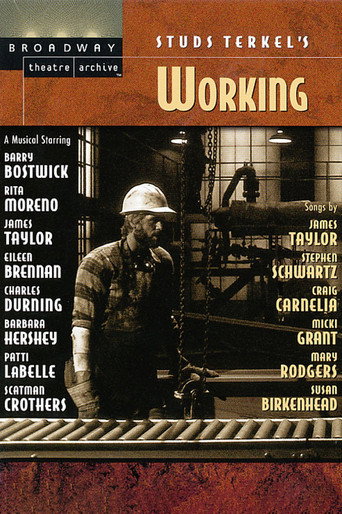
This musical adaptation of the Studs Terkel book examines the average worker's viewpoint--showing that he or she is anything but average. Based on a series of interviews with real working people--construction workers, waitresses, firemen, secretaries, and cleaning women, Working is both an exploration of the individuals' occupations and a lament for lost hopes and dreams.
A BBC documentary by Denis Mitchell offering an impressionistic portrait of Chicago, filmed circa 1960. Structured as a “city symphony” with recorded speech, it presents street-level observation and voices from the city. Assisted by Studs Terkel, the film became locally controversial: though originally intended for Chicago’s WBKB (Channel 7), its first Chicago-area broadcast was delayed until 1966, when it aired on WFLD.