Steve McQueen Movies, TV Shows, and Filmography
Steve McQueen
Directing
Biography
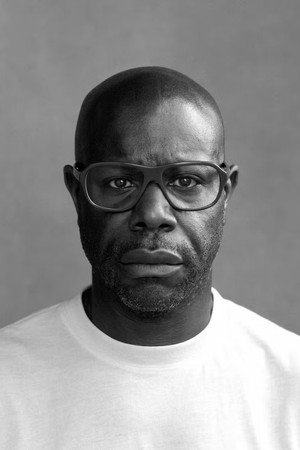
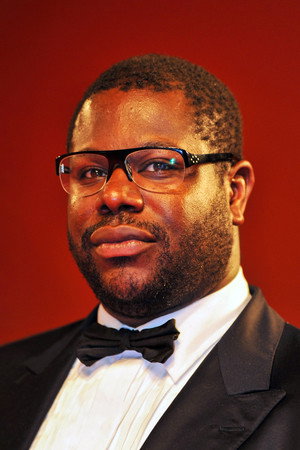
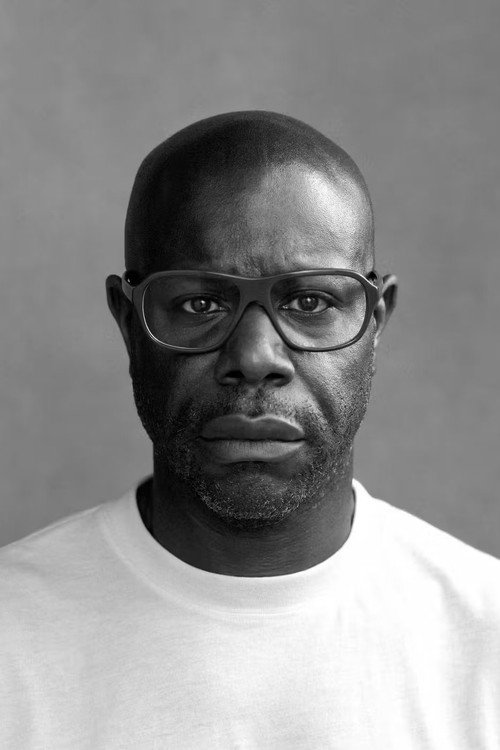
Sir Steve Rodney McQueen CBE (born 9 October 1969) is an English film director, film producer, screenwriter, and video artist. Known for directing films that deal with intense subject matter, he has received several awards, including an Academy Award, two BAFTA Awards, and a Golden Globe Award. He was honoured with the BFI Fellowship in 2016 and was knighted by Queen Elizabeth II in 2020 for services to art and film. In 2014, he was included in Time magazine's annual Time 100 list of the "most influential people in the world". McQueen began his formal training studying painting at London's Chelsea College of Art and Design. He later pursued film at Goldsmiths College and briefly at New York University. Influenced by Jean Vigo, Jean-Luc Godard, François Truffaut, Ingmar Bergman, and Andy Warhol, McQueen started making short films. In 1999, McQueen was awarded the Turner Prize for the "range" and "emotional intensity" of his art. He made his feature-length directorial debut with the historical drama Hunger (2008), which focused on the 1981 Irish hunger strike, followed by the erotic, psychosexual drama Shame (2011), which explored sex addiction. He won the Academy Award for Best Picture, directing the historical drama 12 Years a Slave (2013). He also directed the contemporary crime thriller Widows (2018) and the World War II drama Blitz (2024). For television, he released Small Axe (2020), a collection of five anthology films "set within London's West Indian community from the late 1960s to the early '80s". He also directed the BBC documentary series Uprising (2021) and the documentary film Occupied City (2023). Description above from the Wikipedia article Steve McQueen (director), licensed under CC-BY-SA, full list of contributors on Wikipedia.
Filmography Movies
Acting
Deadpan
Deadpan is a four-minute installation film in which McQueen re-stages a death-defying Buster Keaton stunt. The side of a house is filmed toppling again and again from all angles onto an unflinching McQueen, who survives thanks to a carefully positioned window.
Bear
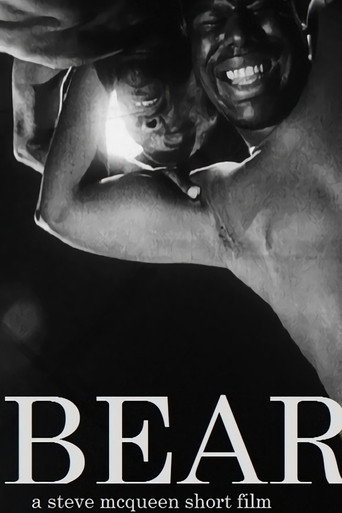
Bear (10 minutes, 35 seconds) was Steve McQueen's first major film. Although not an overtly political work, for many viewers it raises sensitive issues about race, homoeroticism and violence. It depicts two naked men – one of whom is the artist – tussling and teasing one another in an encounter which shifts between tenderness and aggression. The film is silent but a series of stares, glances and winks between the protagonists creates an optical language of flirtation and threat.
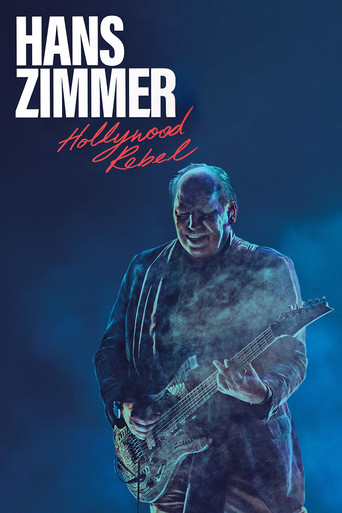
Hans Zimmer: Hollywood Rebel
An in-depth look of the 40 year journey, from post-war Germany to Hollywood royalty, of Hans Zimmer, the man who’s become the dominant force in the world of movie soundtracks. His film credits include The Lion King, Rain Man, Pirates of The Caribbean, Gladiator, The Dark Knight Trilogy, 12 Year A Slave, The Thin Red Line, The Da Vinci Code and Dune.
Illuminer
McQueen lies in bed in a Paris hotel, watching a dubbed TV programme about American special forces being trained for combat in Afghanistan. Shot using a domestic digital camera, the artist's body is illuminated by the flickering glow of the TV screen.
Cold Breath
Cold Breath depicts the artist stroking, pulling and squeezing his nipple. Through a gesture that appears tender one moment and violent the next, the film is an intimate exploration of flesh as material.
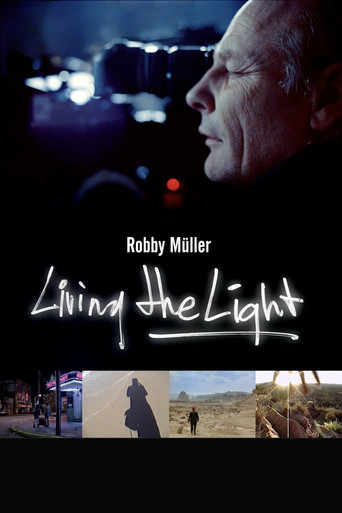
Living the Light: Robby Müller
For her extraordinary film essay, Living the Light, Director and Director of Photography Claire Pijman had access to the thousands of Hi8 video diaries, pictures and Polaroids that Müller photographed while he was at work on one of the more than 70 features he shot throughout his career; often with long term collaborators such as Wim Wenders, Jim Jarmusch and Lars von Trier. The film intertwines these images with excerpts of his oeuvre, thus creating a fluid and cinematic continuum. In his score for Living the Light Jim Jarmusch gives this wide raging scale of life and art an additional musical voice.
Production
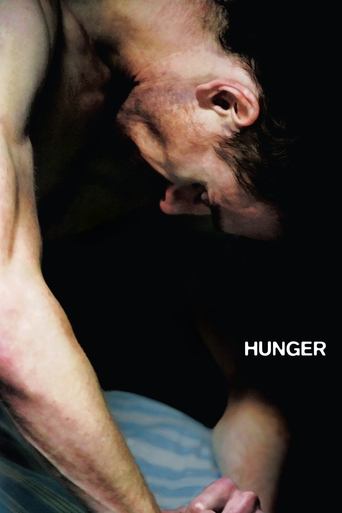
Hunger
The story of Bobby Sands, the IRA member who led the 1981 hunger strike during The Troubles in which Irish Republican prisoners tried to win political status.
Hunger
The story of Bobby Sands, the IRA member who led the 1981 hunger strike during The Troubles in which Irish Republican prisoners tried to win political status.
Black Power: A British Story of Resistance
An examination of the Black Power movement in the late 1960s in the UK, surveying both the individuals and the cultural forces that defined the era. At the heart of the documentary is a series of astonishing interviews with past activists, many of whom are speaking for the first time about what it was really like to be involved in the British Black Power movement, bringing to life one of the key cultural revolutions in the history of the nation.
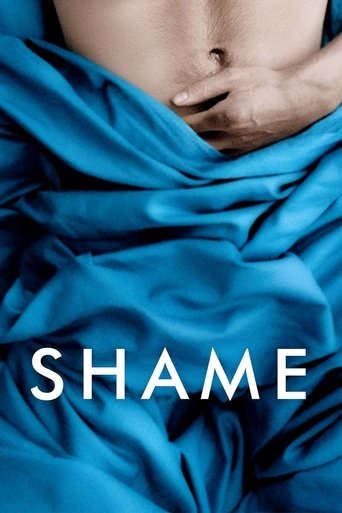
Shame
Brandon, a thirty-something man living in New York, eludes intimacy with women but feeds his deepest desires with a compulsive addiction to sex. When his younger sister temporarily moves into his apartment, stirring up bitter memories of their shared painful past, Brandon's life, like his fragile mind, gets out of control.
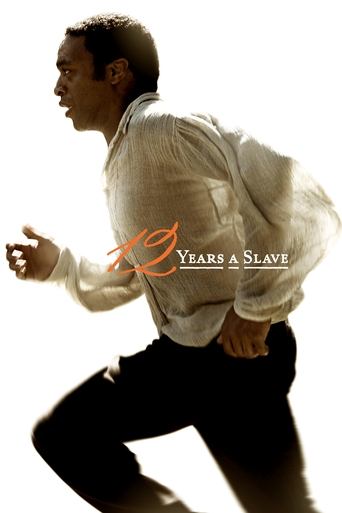
12 Years a Slave
In the pre-Civil War United States, Solomon Northup, a free black man from upstate New York, is abducted and sold into slavery. Facing cruelty as well as unexpected kindnesses Solomon struggles not only to stay alive, but to retain his dignity. In the twelfth year of his unforgettable odyssey, Solomon’s chance meeting with a Canadian abolitionist will forever alter his life.
12 Years a Slave
In the pre-Civil War United States, Solomon Northup, a free black man from upstate New York, is abducted and sold into slavery. Facing cruelty as well as unexpected kindnesses Solomon struggles not only to stay alive, but to retain his dignity. In the twelfth year of his unforgettable odyssey, Solomon’s chance meeting with a Canadian abolitionist will forever alter his life.
Western Deep
An exploration of the sensory experience of the TauTona gold mine in South Africa, showing migrant labourers working in dark, claustrophobic environments and the ear-splitting noise of drilling. The TauTona mine in South Africa, known as 'Western Deep' is the world's deepest gold mine. Employing more than 5,000 people, it operates twenty-four hours day. The film begins in complete darkness as the miners descend three-and-a-half kilometres underground. McQueen documents an intense work regime where the temperature can reach over ninety degrees celsius. Accompanied by jarring sounds created by the mechanical equipment, Western Deep is a hellish representation of labour that makes the silent resolve of the miners all the more powerful.
Deadpan
Deadpan is a four-minute installation film in which McQueen re-stages a death-defying Buster Keaton stunt. The side of a house is filmed toppling again and again from all angles onto an unflinching McQueen, who survives thanks to a carefully positioned window.
Bear
Bear (10 minutes, 35 seconds) was Steve McQueen's first major film. Although not an overtly political work, for many viewers it raises sensitive issues about race, homoeroticism and violence. It depicts two naked men – one of whom is the artist – tussling and teasing one another in an encounter which shifts between tenderness and aggression. The film is silent but a series of stares, glances and winks between the protagonists creates an optical language of flirtation and threat.
Subnormal
The UK schools scandal through the eyes of Black parents, teachers, and activists who banded together to expose the injustice and force the education system to change.
Gallery