Sterlin Harjo Movies, TV Shows, and Filmography

Sterlin Harjo
Directing
Biography
Sterlin Harjo (born 14 November 1979) is a member of the Seminole Nation and has Muskogee heritage. He was raised in Holdenville, Oklahoma and attended the University of Oklahoma, where he studied art and film. He received a fellowship from the Sundance Institute in 2004. His short film, Goodnight, Irene, premiered at the 2005 Sundance Film Festival and received a special jury award at the Aspen Shortfest. In 2006, he received a fellowship from the newly formed United States Artists foundation. Harjo's first feature film, Four Sheets to the Wind, tells the story of a young Seminole man who travels from his small hometown to Tulsa to visit his sister after the death of their father. The film premiered at the 2007 Sundance Film Festival where it was nominated for the grand jury prize. Harjo was named best director at the 2007 American Indian Film Festival. Harjo's second feature, Barking Water, premiered at the 2008 Sundance Film Festival. It portrays a road trip by a dying man and his former lover across Oklahoma to see his daughter and granddaughter in Wewoka, the capital of the Seminole Nation. Barking Water was named best drama film at the 2009 American Indian Film Festival. Harjo's first feature documentary, This May Be the Last Time, is based on the story of Harjo's grandfather, who disappeared in 1962 in theSeminal County town of Sasakwa. It explores the subject of Creek Nation hymns and their connection to Scottish, folk, gospel and rock music. The film premiered at the 2014 Sundance Film Festival. His third feature film, Mekko, a thriller set in Tulsa, premiered at the Los Angeles Film Festival in June 2015. Mekko paints the portrait of a homeless Native American parolee who seeks to save his chaotic yet beautiful community from the darkness that threatens it. Harjo has also directed a number of short-form projects. His 2009 short film Cepanvkuce Tutcenen (Three Little Boys) was part of the Embargo Collective project commissioned by the imagineNative Film + Median Arts Festival. He has directed a series of shorts for This Land Press in Tulsa, where Harjo is the staff video director. He was a member of the 2010 Sundance shorts competition jury. Harjo is a founding member of a five-member Native American comedy group, The 1491s. He also is one of the directors of Cherokee Nation’s monthly television news magazine, Osiyo, Voices of the Cherokee People, which is produced by Fire Thief Productions, a Native American production company which he co-founded with Cherokee photographer, Jeremy Charles.
Filmography Movies
Acting
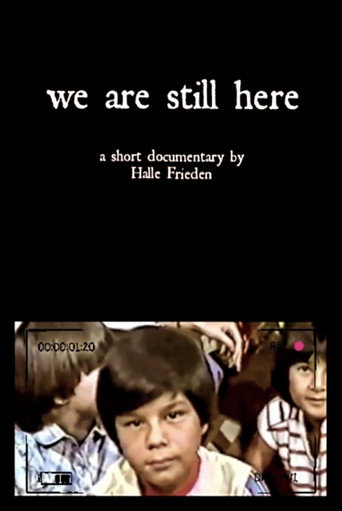
We Are Still Here
Indigenous people have been misrepresented in film since the beginning of the Classic Hollywood Era, and people believe that Native Americans have vanished. We Are Still Here.
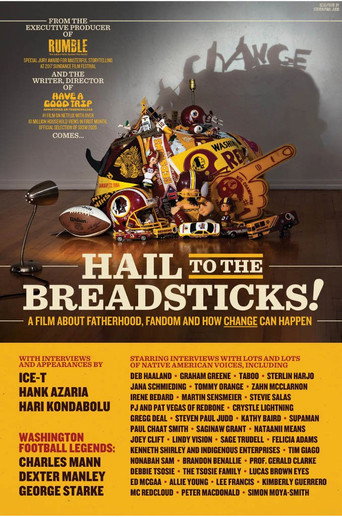
Hail to the Breadsticks!
Writer producer Donick Cary (The Simpsons, Parks and Recreation, Have a Good Trip, etc.) has been a huge fan of the Washington D.C. pro football team since before he could walk. Passed down from his dad, he was excited to pass the tradition onto his kids. Donick never questioned the team name and or Native American logo until one day, while watching a game, his 9-year-old son, Otis, asked him if it was racist. When Otis suggests they ask Native Americans how they feel, it sends the two on a cross-country journey full of unexpected surprises.
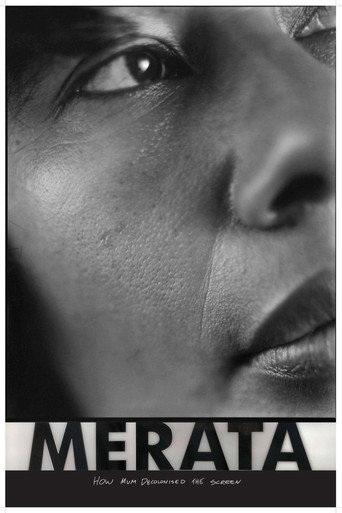
Merata: How Mum Decolonised the Screen
This film is an intimate portrayal of pioneering filmmaker Merata Mita told through the eyes of her children. Using hours of archive footage, some never before seen, her youngest child and director Hepi Mita discovers the filmmaker he never knew and shares the mother he lost, with the world.
Who Controls the Land
Native American actor Martin Sensmeier travels to San Juan County, Utah, to investigate the controversy over the Bears Ears National Monument. While there, he learns how the fight over the monument is just one more battle in a long-running war between the county's Native American citizens and their Mormon neighbors over who will control the future of the county. His journey reveals how voting rights denied by the Mormons have led to the marginalization of their Native neighbors and learns about the long history of looting of sacred archeological sites in the county.
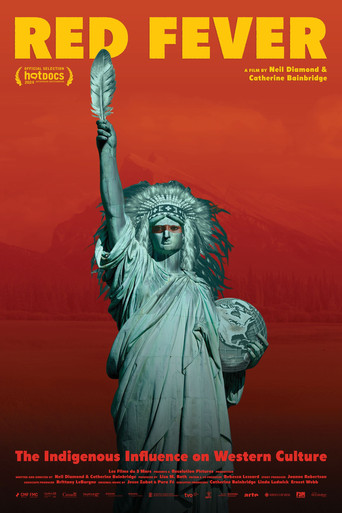
Red Fever
Red Fever is a witty and entertaining feature documentary about the profound -- yet hidden -- Indigenous influence on Western culture and identity. The film follows Cree co-director Neil Diamond as he asks, “Why do they love us so much?!” and sets out on a journey to find out why the world is so fascinated with the stereotypical imagery of Native people that is all over pop culture. Why have Indigenous cultures been revered, romanticized, and appropriated for so long, and to this day? Red Fever uncovers the surprising truths behind the imagery -- so buried in history that even most Native people don't know about them.
Production
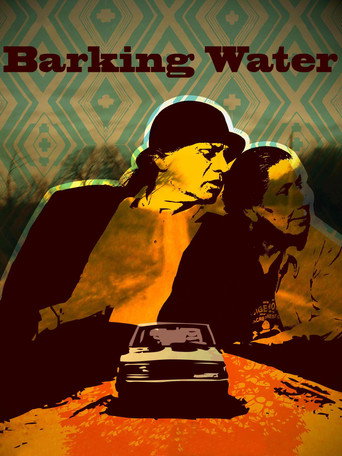
Barking Water
Frankie is dying. Irene hasn't forgiven him. And they are racing against time to find their way home. Frankie needs help and Irene is the one he turns to. He must go home one last time. And, like so many times before, Irene is extending herself beyond her common sense. The two set out on a journey that becomes more than getting home; confronting the past, love, understanding, and self discovery. Barking Water is a tale of great love that looks at what brings us all together. It's a tale of home...and what it takes to get there.
Barking Water
Frankie is dying. Irene hasn't forgiven him. And they are racing against time to find their way home. Frankie needs help and Irene is the one he turns to. He must go home one last time. And, like so many times before, Irene is extending herself beyond her common sense. The two set out on a journey that becomes more than getting home; confronting the past, love, understanding, and self discovery. Barking Water is a tale of great love that looks at what brings us all together. It's a tale of home...and what it takes to get there.
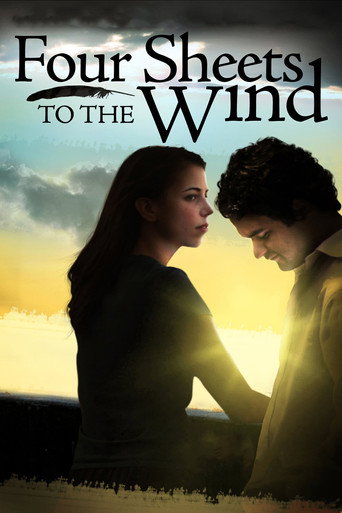
Four Sheets to the Wind
After his father's untimely suicide, Cufe leaves his home in a Native American reservation in search of a more fulfilling life.
Who Controls the Land
Native American actor Martin Sensmeier travels to San Juan County, Utah, to investigate the controversy over the Bears Ears National Monument. While there, he learns how the fight over the monument is just one more battle in a long-running war between the county's Native American citizens and their Mormon neighbors over who will control the future of the county. His journey reveals how voting rights denied by the Mormons have led to the marginalization of their Native neighbors and learns about the long history of looting of sacred archeological sites in the county.
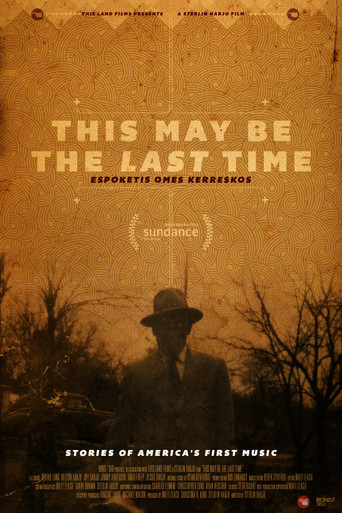
This May Be the Last Time
Filmmaker Sterlin Harjo's Grandfather disappeared mysteriously in 1962. The community searching for him sang songs of encouragement that were passed down for generations. Harjo explores the origins of these songs as well as the violent history of his people.
This May Be the Last Time
Filmmaker Sterlin Harjo's Grandfather disappeared mysteriously in 1962. The community searching for him sang songs of encouragement that were passed down for generations. Harjo explores the origins of these songs as well as the violent history of his people.
This May Be the Last Time
Filmmaker Sterlin Harjo's Grandfather disappeared mysteriously in 1962. The community searching for him sang songs of encouragement that were passed down for generations. Harjo explores the origins of these songs as well as the violent history of his people.
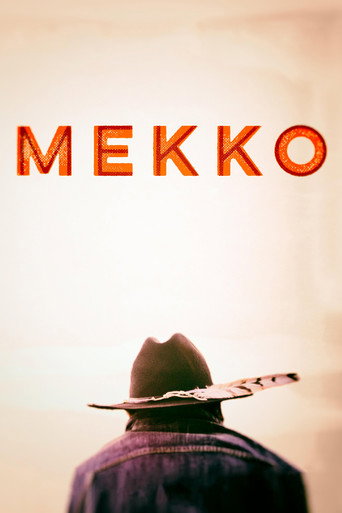
Mekko
Mekko gets out of prison after 19 years. He has no home or family so he makes his way to Tulsa. He tries to connect with a cousin but she turns him away. With nowhere to go Mekko ends up sleeping on the streets. He is taken in by the homeless native community. At times jovial, there is a dark undercurrent to the community. He begins having issues with a man named Bill. Bill is pure evil. Convinced that this man is a witch, Mekko turns to the old teachings of his grandmother in order to rid the community of this 'witch'. It's a story of redemption, and hope. Mekko is in search of his home and the strength to forgive himself of his past.
Mekko
Mekko gets out of prison after 19 years. He has no home or family so he makes his way to Tulsa. He tries to connect with a cousin but she turns him away. With nowhere to go Mekko ends up sleeping on the streets. He is taken in by the homeless native community. At times jovial, there is a dark undercurrent to the community. He begins having issues with a man named Bill. Bill is pure evil. Convinced that this man is a witch, Mekko turns to the old teachings of his grandmother in order to rid the community of this 'witch'. It's a story of redemption, and hope. Mekko is in search of his home and the strength to forgive himself of his past.
Four Sheets to the Wind
After his father's untimely suicide, Cufe leaves his home in a Native American reservation in search of a more fulfilling life.
Gallery